


 Samsung to Launch First Yongin Chip Plant by 2029 as South Korea Speeds Up Semiconductor Hub
  Fast Retailing Raises Full-Year Forecast After Uniqlo Owner Beats Q3 Profit Estimates
  Australia Flags Child Safety Gaps at Apple, Meta, Google Over Online Sexual Extortion
  TSMC Q2 Revenue Surges 36% as AI Chip Demand Powers Growth Ahead of Earnings
  Chinese Chip Stocks Jump as Apple Reportedly Tests CXMT Memory Chips for China Devices
  Samsung Chairman Lee Jae-yong Expected to Meet Nvidia CEO Jensen Huang on AI and Chip Partnership
  Yaskawa Electric Shares Slide as Weak Profit Overshadows Strong AI Demand
  Levi Strauss Raises 2026 Outlook After Q2 Earnings Beat, Shares Drop Despite Strong Results
  Nippon Paint Reportedly Offers Up to €7.5 Billion for Akzo Nobel Decorative Paints Business
  Goldman Sachs Says China Competition Weighs More on EU Growth Than Trade Deficit
  OpenAI GPT-5.6 Set for Wider Release After U.S. Commerce Approval, Report Says
  AstraZeneca Shares Sink After Wainua Trial Misses Key Heart Disease Goal
  Morgan Stanley Names Marks & Spencer Top European Retail Pick, Sees Strong Upside
  Gold Surges Past $4150 on Dovish Fed Signals and Weak Jobs Data; Bullish Outlook Prevails


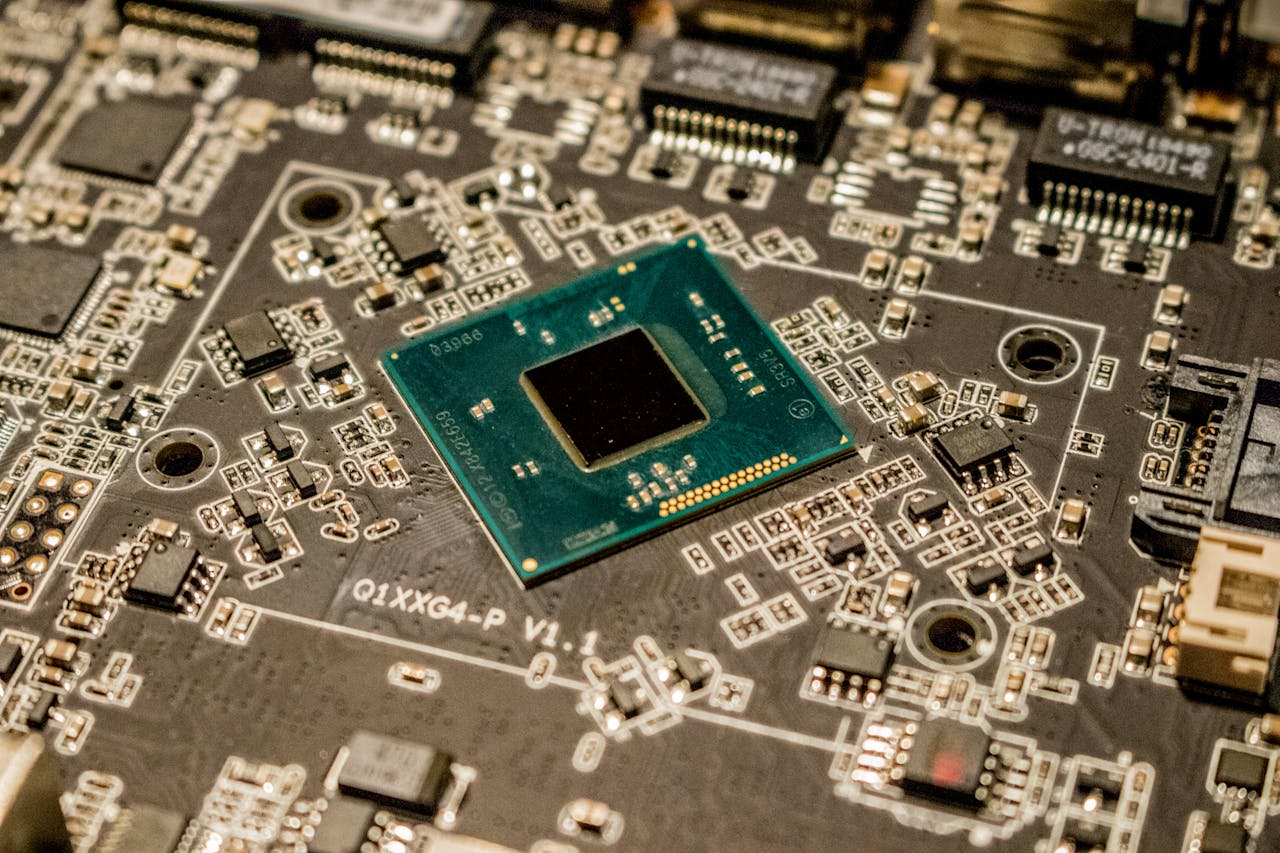
The rapid expansion of artificial intelligence (AI) infrastructure is creating a structural shortage in the global memory chip market, according to a recent Morgan Stanley report. The investment bank warns that soaring demand for high-bandwidth memory (HBM), DRAM, and enterprise solid-state drives (SSDs) is driving memory prices sharply higher and increasing costs across the technology industry.
As major cloud providers and hyperscalers continue investing heavily in AI data centers, demand for advanced memory solutions has surged to unprecedented levels. Morgan Stanley noted that memory prices have climbed more than six times over the past year, reversing the semiconductor industry's long-standing trend of declining costs.
Analysts believe the memory sector is entering a multi-year supply bottleneck. Expanding production capacity requires significant capital investment, while building and qualifying new facilities can take several years. As a result, supply is struggling to keep pace with the growing needs of AI applications.
The report highlighted that AI workloads are consuming an increasing share of available memory resources. In response, manufacturers are prioritizing higher-margin products designed for AI systems and data centers. This strategic shift is expected to reduce the availability of memory chips for traditional markets, including smartphones, personal computers, automotive electronics, and industrial devices.
Morgan Stanley estimates that if current trends persist, both the smartphone and PC industries could experience memory supply shortages by 2027. The firm also noted that large cloud companies are securing future supply through long-term contracts and advance payments, further tightening market availability and reducing reliance on traditional commodity-based pricing.
Beyond the technology sector, rising memory costs could have broader economic consequences. The report suggests that higher chip prices are already contributing to producer price inflation and increasing operational expenses for businesses. While the impact on consumer inflation may remain limited, elevated memory costs could raise hardware prices, squeeze corporate profit margins, and slow technology adoption in certain industries.
From an investment perspective, Morgan Stanley remains positive on memory manufacturers and infrastructure suppliers, citing stronger pricing power and improved earnings visibility. Companies such as Micron, Samsung Electronics, SK Hynix, Western Digital, and Seagate may benefit from favorable market conditions. Meanwhile, businesses heavily exposed to consumer electronics and other non-AI segments could face greater challenges as memory shortages and higher component costs persist.







