


 NASA's Artemis II Crew Arrives in Florida for Historic Moon Mission
  Google's TurboQuant Algorithm Sends Memory Chip Stocks Tumbling
  Nintendo Switch 2 Production Cut as Holiday Sales Miss Targets
  Meta Ties Executive Pay to Aggressive Stock Price Targets in Major Retention Push
  AWS Bahrain Region Disrupted by Drone Activity Amid Middle East Conflict
  Elon Musk Announces Terafab: SpaceX and Tesla to Build Dual AI Chip Factories in Austin, Texas
  California's AI Executive Order Pushes Responsible Tech Use in State Contracts
  Makemation: a Nollywood movie that shows AI in action in Africa
  Microsoft Eyes $7B Texas Energy Deal to Power AI Data Centers
  Palantir's Maven AI Earns Pentagon "Program of Record" Status, Reshaping Military AI Strategy
  SK Hynix Eyes Up to $14 Billion U.S. IPO to Fund AI Chip Expansion
  Chinese Universities with PLA Ties Found Purchasing Restricted U.S. AI Chips Through Super Micro Servers
  Annie Altman Amends Sexual Abuse Lawsuit Against OpenAI CEO Sam Altman
  OpenAI Pulls the Plug on Sora, Ending $1 Billion Disney Partnership
  Federal Judge Blocks Pentagon's Blacklisting of AI Company Anthropic
  Golden Dome Missile Defense: Anduril and Palantir Join Forces on Trump's $185B Space Shield


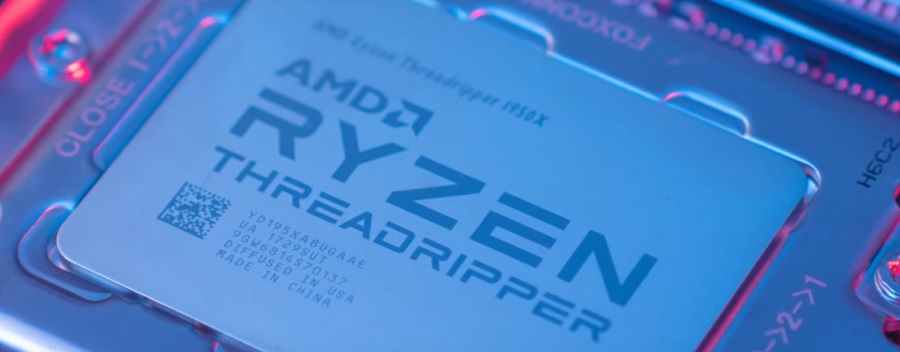
AMD confirmed that it had to delay the launching of Ryzen 9 3950X and new Ryzen 3 Threadripper processors by more than a month. The company did not provide a solid explanation, but some speculate the recent boost clock issue could be one of the reasons.
AMD Ryzen 9 3950X, Threadripper processors gets November release date window
AMD’s previous announcements along with countless insider reports led many to expect Ryzen 9 3950X and the new Threadripper processors to be released this month. However, AMD announced a change-of-plan on Twitter as September reaches its final week.
Many tech fans were still left with several questions despite releasing a brief statement about the delay. Those looking forward to the first 16-core mainstream desktop CPUs and new additions to the Ryzen 3 ecosystem were not given a specific release date. Also, AMD did not specifically explain why the release of Ryzen 9 3950X and Threadripper processors was put on hold. But, as expected, that did not stop the speculations and the rumor mill.
https://twitter.com/AMDRyzen/status/1175094384309788673
AMD rumors: CPU delays caused by issues with the foundry or failing boost speeds?
There are a couple of rumored reasons why AMD was forced to delay the launch of Ryzen 9 3950X and Ryzen 3 Threadripper processors. Last week, industry sources of DigiTimes reported that the Taiwan Semiconductor Manufacturing Company (TSMC) extended its production lead time for 7nm chips to about six months instead of just two.
If this report is true, that means TSMC’s assembly lines are currently packed with 7nm chips, and the semiconductor foundry cannot deliver new orders within the next six months. But considering that the report came out in September when AMD Ryzen 3950X and Threadripper chips were expected to hit the stores, there is a chance that the delay was caused by something else.
That leads to the next speculated reason for the delay: problematic boost speeds. Earlier this month, AMD hit a snag when many Ryzen users complained that their CPUs were not reaching the advertised boost speeds. The company later recognized the issue and released a firmware update to address it. Some tech fans now consider this could be the same issue that forced AMD to move the release of the much-awaited 16-core mainstream desktop CPUs.







