


 South Korea’s Coupang Fine Sparks U.S. Criticism, Raising Concerns Over Bilateral Ties
  Houthi Naval Blockade on Saudi Arabia Escalates Iran Conflict, Threatens Global Oil Supply
  US-Iran Conflict Escalates as Gulf Attacks Threaten Global Oil Supply
  Gold Climbs Above $4,000 as Middle East Tensions and Fed Outlook Drive Safe-Haven Demand
  US Launches New Strikes on Iran After Deadly Attack on American Troops in Jordan
  Ralph Norman Launches South Carolina Senate Bid After Lindsey Graham’s Death
  Trump-Aligned MAGA Inc Builds $400 Million War Chest Ahead of Midterm Elections
  Trump Says Qatari-Donated Air Force One Jet to Undergo Security Upgrades Soon
  Deutsche Bank Says Fed Balance Sheet Cuts Could Weaken US Dollar Instead of Boosting It
  Asian Currencies Hold Steady as Fed Outlook Offsets Middle East Tensions
  US, China to Hold AI Talks Ahead of Xi’s September Visit
  Trump Says Netanyahu Will Not Be Arrested During U.S. Visit Amid ICC Dispute
  US Dollar Holds Near One-Week High as Middle East Tensions and Oil Prices Drive Market Sentiment
  European Earnings Season Gains Strength as Barclays Sees Broader Profit Recovery
  US Stock Futures Hold Steady as Tesla, Alphabet Earnings and Iran Conflict Dominate Market Focus
  US Service Member Killed During Explosive Disposal of Downed Iranian Drone in Iraq
  Trump Administration Weighs Ending Support for UN Refugee Agency UNHCR


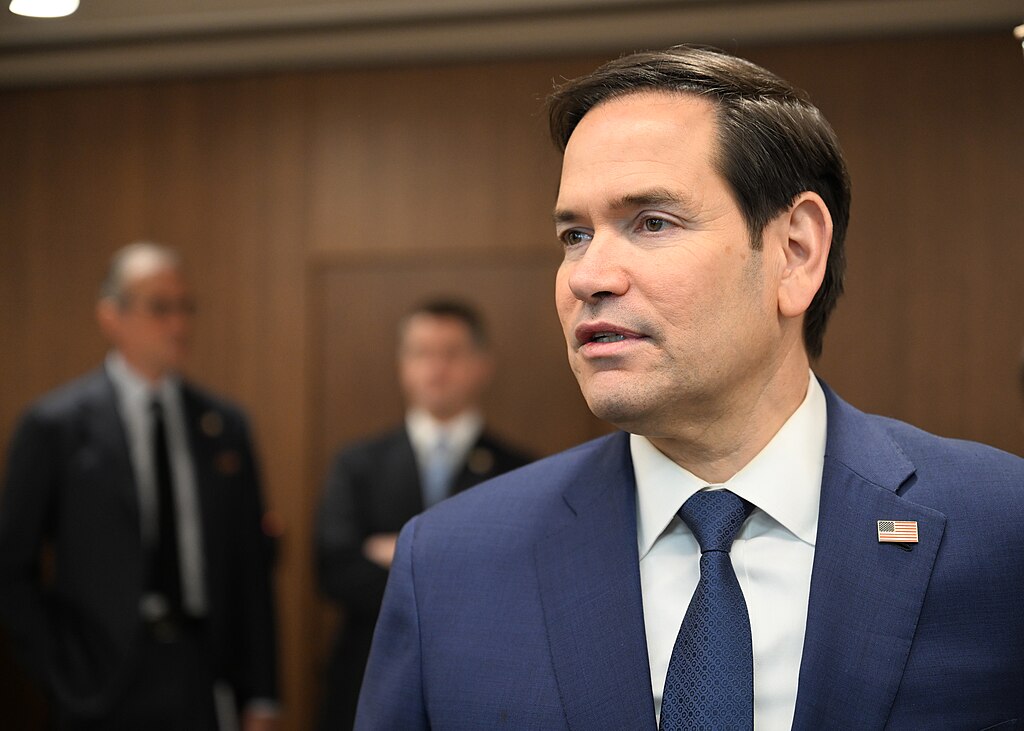
The escalating Middle East conflict dominated discussions at the ASEAN foreign ministers’ meeting in Manila on Tuesday, as leaders warned that renewed fighting could threaten global energy supplies, fuel inflation, and weigh on economic growth across Southeast Asia.
Foreign ministers from the 11-member Association of Southeast Asian Nations (ASEAN) and key global partners expressed deep concern over the worsening hostilities following the renewed conflict between the United States and Iran. The situation has become more volatile after Yemen’s Iran-backed Houthi movement announced a naval blockade on Saudi Arabia, raising fears of disruptions to shipping routes and oil exports through the Strait of Hormuz.
In a joint statement, ASEAN ministers said the latest developments undermine diplomatic efforts and reduce hopes for a peaceful resolution through dialogue. The bloc, whose combined economy is valued at roughly $3.8 trillion, remains particularly vulnerable to higher energy costs because many member states rely heavily on imported oil. To reduce potential supply shocks, ASEAN is accelerating plans for a regional oil-sharing mechanism.
Beyond the Middle East, ministers also turned their attention to Myanmar’s ongoing civil war, where ASEAN’s long-running peace initiative has struggled to produce results nearly five years after the military coup. The conflict has reportedly claimed around 100,000 lives, adding to the bloc’s growing security challenges.
Tensions in the South China Sea also featured prominently ahead of an expected meeting between Philippine Foreign Affairs Secretary Maria Theresa Lazaro and Chinese Foreign Minister Wang Yi. The diplomatic atmosphere worsened after the Philippines accused China’s Coast Guard of assaulting a Philippine sailor near the disputed Second Thomas Shoal, prompting protests from both governments.
China insisted ASEAN should not be used to address bilateral maritime disputes, while the U.S. State Department condemned what it described as China’s aggressive actions against Philippine maritime operations.
U.S. Secretary of State Marco Rubio, attending the ASEAN meetings, reaffirmed Washington’s commitment to freedom of navigation in the South China Sea. He also reiterated U.S. support for the 2016 international arbitration ruling that rejected China’s sweeping territorial claims, despite Beijing’s continued refusal to recognize the decision.







