


 Morgan Stanley Says China’s Reusable Rocket Progress Poses Long-Term Challenge to SpaceX
  OpenAI Executive Fidji Simo to Step Down Amid Health Challenges Ahead of IPO
  SK Hynix Shares Drop After Strong Nasdaq Debut Despite $26 Billion ADR Listing
  EU to Propose New Rules Limiting Children's Access to Social Media
  Samsung to Launch First Yongin Chip Plant by 2029 as South Korea Speeds Up Semiconductor Hub
  TSMC Q2 Revenue Surges 36% as AI Chip Demand Powers Growth Ahead of Earnings
  Australia Flags Child Safety Gaps at Apple, Meta, Google Over Online Sexual Extortion
  DOJ Grand Jury Investigates UAW President Shawn Fain Ahead of Union Election
  Fast Retailing Raises Full-Year Forecast After Uniqlo Owner Beats Q3 Profit Estimates
  Apple Tests China's CXMT Memory Chips as DRAM Maker Gains Global Market Share
  SK Hynix Soars 13% in Nasdaq Debut After Record $26.5 Billion IPO
  Samsung Chairman Lee Jae-yong Expected to Meet Nvidia CEO Jensen Huang on AI and Chip Partnership
  Nippon Paint Reportedly Offers Up to €7.5 Billion for Akzo Nobel Decorative Paints Business
  Mastercard Explores Sale of Majority Stake in UK Payments Firm Vocalink: Report
  Nvidia Invests $500M in Firmus Technologies Ahead of Planned ASX IPO
  Elon Musk Says Anthropic Leads AI Race as Claude Models Challenge OpenAI
  Genesis Minerals to Acquire Vault in A$5.6 Billion Deal After Regis Withdraws


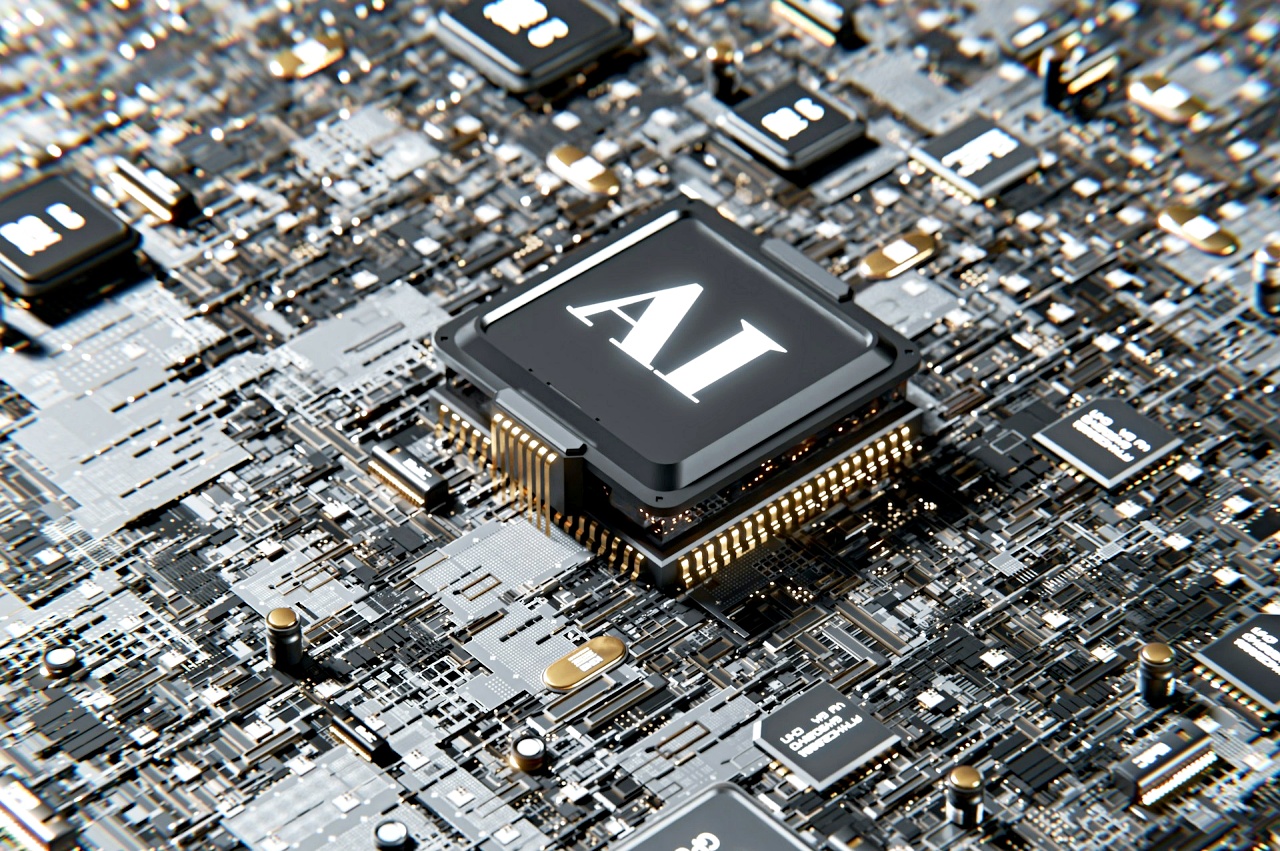
The rapid rise of agentic AI is reshaping the future of data center infrastructure, creating major growth opportunities for CPU manufacturers such as Arm Holdings, AMD, and Intel. According to UBS analyst Timothy Arcuri, the increasing complexity of AI workloads is shifting demand beyond GPUs and fueling a dramatic expansion in the server CPU market.
UBS estimates the global server CPU Total Addressable Market (TAM) could surge from around $30 billion in 2025 to nearly $170 billion by 2030. The forecast is driven by the growing adoption of agentic AI systems, which require significantly more CPU resources than traditional AI models. Industry experts cited by UBS suggest that agentic AI deployments may need three to five times more CPU cores per user compared to standard computing environments.
Arm Holdings is expected to capture a substantial share of this expanding market due to its energy-efficient architecture. UBS projects ARM’s market share could rise from approximately 15% in 2025 to as much as 45% by 2030. Hyperscalers are increasingly favoring Arm-based processors because they deliver better power efficiency and support high-density scaling for AI “head nodes.” As a result, UBS raised its price target for ARM stock from $175 to $245.
Advanced Micro Devices is also positioned to benefit from the AI-driven demand surge. AMD’s strength in high-core-count processors and multithreading capabilities makes its chips ideal for handling parallel AI subagents. Meanwhile, Intel continues working to improve performance with its upcoming Coral Rapids platform, while also gaining potential upside from a renewed AI-powered PC upgrade cycle.
UBS notes that agentic AI systems require far more CPUs connected to accelerators than traditional AI training workloads. While current AI systems typically use 8 to 12 CPU cores per GPU, future agentic AI environments may require 80 to 120 cores per GPU. This shift is expected to increase CPU average selling prices significantly, especially for premium AI processors such as NVIDIA Grace and AWS Graviton 5.
By 2030, UBS forecasts CPU revenues could reach $41 billion for AMD, $39 billion for Intel, and $26 billion for Arm, highlighting the enormous long-term potential of the AI infrastructure market.







