


 SMIC Allegedly Supplies Chipmaking Tools to Iran's Military, U.S. Officials Warn
  MATCH Act Targets ASML and Chinese Chipmakers in New U.S. Export Crackdown
  SK Hynix Eyes Up to $14 Billion U.S. IPO to Fund AI Chip Expansion
  Investors Brace for Market Moves as Trump Begins Second Term
  Do investment tax breaks work? A new study finds the evidence is ‘mixed at best’
  Meta and Google just lost a landmark social media addiction case. A tech law expert explains the fallout
  NASA Artemis II: First Crewed Moon Mission Since Apollo Takes Four Astronauts on 10-Day Lunar Journey
  UK Markets Face Rising Volatility as Hedge Funds Target Pound and Gilts
  Why the Middle East is being left behind by global climate finance plans
  UPS and Teamsters Reach Agreement to Limit Driver Severance Program
  Mexico's Undervalued Equity Market Offers Long-Term Investment Potential
  RBC Capital: European Medtech Firms Show Minimal Middle East and Energy Risk Exposure
  Europe's Aviation Sector on Track to Meet 2025 Green Fuel Mandate
  Gold Prices Rise as Markets Await Trump’s Policy Announcements
  Luxury Car Sales in the Middle East Take a Hit Amid Iran War
  Jefferies Upgrades Sodexo to Buy With €55 Target After Historic CEO Appointment


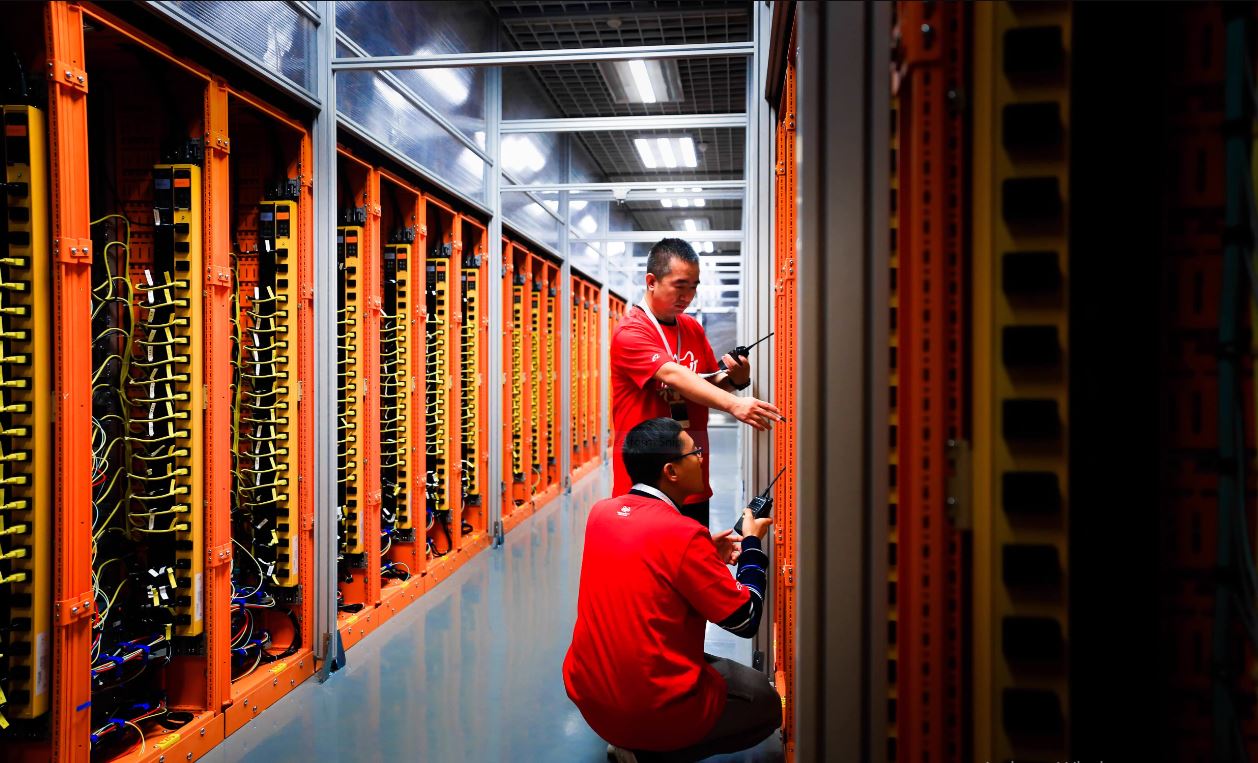
Alibaba has abandoned plans to spin off its cloud computing division, citing recent tightening of US controls on chip exports to China as a major factor. This development introduces uncertainties regarding the prospects of the Cloud Intelligence Group,
According to Reuters, Alibaba stated that the recent US restrictions may have a material and adverse impact on the ability of the Cloud Intelligence Group to operate effectively. This development directly affects the division's profitability and raises concerns about maintaining its technological capabilities.
As a result of this announcement, Alibaba's US-listed shares plummeted nearly 10%, Bloomberg reported.
Escalating Chip War Forces Alibaba to Rethink Cloud Spin-off Plans
In light of these challenges, Alibaba aims to focus on developing a sustainable growth model for the Cloud Intelligence Group in uncertain conditions.
Alibaba's historic overhaul, initially intended to create six separate units overseen by the company, has been thwarted by the escalating chip war between the United States and China. The ongoing feud has revolved around China's access to advanced semiconductors and the essential materials and equipment required for their production.
This standoff has significant implications for a wide range of industries, from smartphones and medical equipment to electric vehicles.
US-China Relations Take Positive Turn Following Key Talks
This decision comes on the heels of crucial talks between Chinese President Xi Jinping and US President Joe Biden that appeared to establish a more stable foundation for the often tumultuous relationship between the world's top two economies. Chinese business leaders, including the heads of Apple and Tesla, were present at the meeting.
President Xi emphasized the importance of avoiding a zero-sum game and instead proposed building bridges and fostering people-to-people exchanges between the two countries.
Amidst global circumstances, China is grappling with a considerable decline in foreign investment. Additionally, the country is facing a deepening property crisis and weak consumer spending. These challenges further compound the complexities faced by Alibaba and other companies operating within the Chinese market.
Photo: Alibaba Cloud Media Kit








