


 TSMC Q3 Revenue Beats Estimates as AI Chip Demand Surges
  Tencent Shares Fall as $5 Billion AI Bond Sale Weighed
  Pentagon Launches Autonomous Warfare Command
  Kazakhstan and Tether Explore Tenge Stablecoin and RWA Tokenization
  Rapidus Seeks Chip Customers as Japan Pushes 2nm Semiconductor Revival
  LG Electronics Shares Slide as Q3 Profit Misses Estimates
  Zcash Privacy Demand Rises as AI Exposes Bitcoin Transactions
  David Schwartz to Reveal XRP Ledger Future at Ripple Swell 2026
  Litecoin Marks 15 Years as Grayscale Backs LTC ETF Push
  Samsung Q3 Profit Hits Record High on AI Memory Demand
  OpenAI, Anthropic Back Mandatory AI Breach Reporting in Australia
  Illinois Delays Crypto Tax Law Until July 2027
  Bitmine to Stop Ethereum Buying After Reaching 5% ETH Supply
  Trump Opens Tax-Exempt Dyed Diesel Access as Fuel Prices Surge
  Huawei, Qualcomm Sign Multi-Year AI and 5G Patent Deal
  Nvidia-Backed Reflection AI Launches Beam Open-Weight Model


 Add as a preferred source on Google
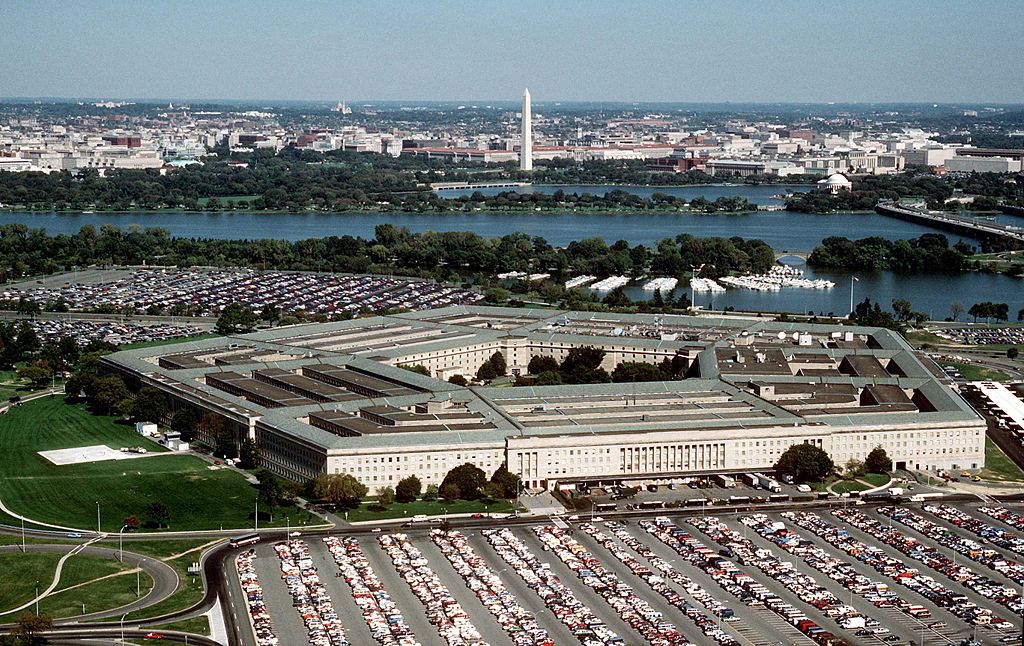
Anthropic CEO Dario Amodei said the company will not comply with a Pentagon request to remove critical AI safeguards, despite reported threats that the Department of Defense (DoD) could cut ties and block the firm from its systems. The dispute highlights growing tensions between AI ethics, national security, and government contracting.
The conflict centers on Anthropic’s refusal to lift built-in safeguards that prevent its artificial intelligence technology from being used for fully autonomous weapons or mass domestic surveillance. According to Amodei, these use cases were never part of Anthropic’s existing Department of Defense contract, which is valued at up to $200 million. He emphasized that the company believes such applications should not be added now.
Amodei stated that the Pentagon has indicated it will work only with AI companies that allow their models to be used for “any lawful purpose.” He also claimed the department warned it could label Anthropic a “supply chain risk” and potentially invoke the Defense Production Act to force removal of the safeguards.
“Regardless, these threats do not change our position,” Amodei said, adding that Anthropic cannot “in good conscience” agree to the request.
Pentagon spokesperson Sean Parnell responded publicly, saying the department has no intention of using AI for mass surveillance of Americans or developing autonomous weapons without human oversight. Instead, the Pentagon’s position is that it should be allowed to deploy Anthropic’s AI models for all lawful uses within its defense operations.
Anthropic, which is backed by Google and Amazon, remains open to discussions and says it is committed to maintaining operational continuity for U.S. defense personnel. However, Amodei acknowledged that the Department of Defense has the authority to select contractors aligned with its strategic vision. If the Pentagon chooses to remove Anthropic from its systems, the company says it will support a smooth transition to another provider.
The dispute underscores broader debates about AI regulation, military AI applications, and the ethical boundaries of advanced artificial intelligence in national defense.







