


 Kitron Q2 Revenue Beats Estimates as Defense Demand Lifts Growth
  Elon Musk Says Anthropic Leads AI Race as Claude Models Challenge OpenAI
  OpenAI Executive Fidji Simo to Step Down Amid Health Challenges Ahead of IPO
  SK Hynix Soars 13% in Nasdaq Debut After Record $26.5 Billion IPO
  SpaceX Stock Draws Bullish Wall Street Coverage Ahead of Nasdaq-100 Inclusion
  TSMC Q2 Revenue Surges 36% as AI Chip Demand Powers Growth Ahead of Earnings
  SK Hynix’s $28 Billion U.S. Share Sale Draws Massive Demand Amid AI Chip Boom
  Australia Flags Child Safety Gaps at Apple, Meta, Google Over Online Sexual Extortion
  Morgan Stanley Names Marks & Spencer Top European Retail Pick, Sees Strong Upside
  OpenAI GPT-5.6 Set for Wider Release After U.S. Commerce Approval, Report Says
  Muji Owner Ryohin Keikaku Stock Soars After Raising Full-Year Earnings Forecast
  Bain Capital Exits Kioxia After AI-Fueled Valuation Surge
  DOJ Grand Jury Investigates UAW President Shawn Fain Ahead of Union Election
  Wolfspeed Sues Navitas Over GaN and SiC Patent Infringement
  Stellantis Q2 Vehicle Shipments Rise 10% as North America Drives Growth
  SoftBank Corp Partners With Sierra to Expand AI Customer Support Across Japan
  SK Hynix Shares Drop After Strong Nasdaq Debut Despite $26 Billion ADR Listing


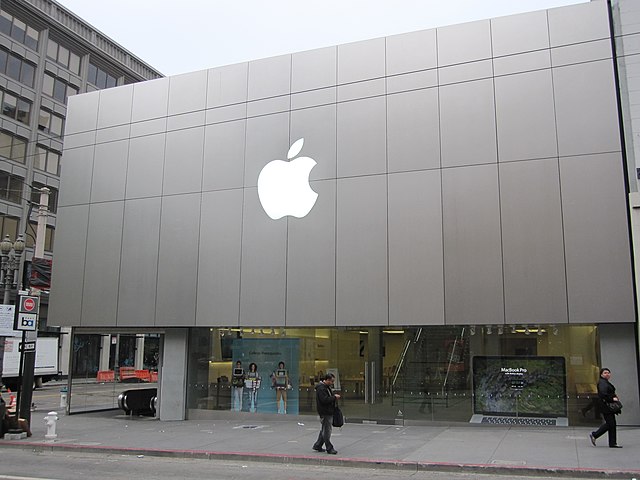
Apple has introduced the latest version of its Apple Intelligence platform at the Worldwide Developers Conference (WWDC) 2026, signaling a stronger push into the rapidly evolving artificial intelligence market. The technology giant showcased major upgrades to Siri, performance enhancements, and new security features designed to improve the user experience across its ecosystem.
During the keynote presentation, Apple’s Senior Vice President of Software Engineering, Craig Federighi, revealed that the updated Apple Intelligence platform will leverage technology from Alphabet’s Google to better understand the context of user requests. The move is aimed at making interactions with Apple devices more natural, accurate, and efficient as the company seeks to compete with leading AI developers in Silicon Valley.
According to Federighi, the latest software updates focus on three key areas: artificial intelligence, performance optimization, and security. The improvements are expected to deliver faster loading times for apps and photos, providing a smoother experience for users across Apple devices.
Apple also announced expanded child safety features. The new protections will offer improved screen time management tools and stronger safeguards to help prevent children from accessing inappropriate content online. These updates reflect the company’s ongoing commitment to digital safety and privacy.
In addition, Apple unveiled the next version of macOS, named Golden Gate, which will power its Mac computer lineup. The company also refined its Liquid Glass design language, originally introduced last year. A new customization slider will allow users to adjust the intensity of the visual effect after some customers reported readability concerns with text displayed through the interface.
One of the most anticipated announcements was the evolution of Siri. The redesigned digital assistant will feature a dedicated standalone app and a more conversational, chatbot-style interface. Apple believes these enhancements will make Siri more capable of handling complex requests and delivering personalized responses.
While Apple first launched Apple Intelligence two years ago, several features faced delays and struggled to match competing AI products. The latest upgrades demonstrate the company’s renewed effort to strengthen its position in the artificial intelligence sector and deliver more advanced AI-powered experiences to users worldwide.







