


 TSMC Q2 Revenue Surges 36% as AI Chip Demand Powers Growth Ahead of Earnings
  Samsung to Launch First Yongin Chip Plant by 2029 as South Korea Speeds Up Semiconductor Hub
  Apple Tests China's CXMT Memory Chips as DRAM Maker Gains Global Market Share
  Chinese Chip Stocks Jump as Apple Reportedly Tests CXMT Memory Chips for China Devices
  Elon Musk Says Anthropic Leads AI Race as Claude Models Challenge OpenAI
  Apple Intelligence Cleared for China as Alibaba and Baidu AI Power iPhone Features
  Australia Flags Child Safety Gaps at Apple, Meta, Google Over Online Sexual Extortion
  Morgan Stanley Says China’s Reusable Rocket Progress Poses Long-Term Challenge to SpaceX
  DeepSeek Eyes China IPO as AI Startup Seeks $71 Billion Valuation in New Funding Round
  Zhipu AI Raises HK$31.37 Billion in Discounted Share Sale to Accelerate AI Growth
  SK Hynix’s $28B U.S. IPO Draws Strong Demand as AI Chip Boom Fuels Investor Interest
  SK Hynix Soars 13% in Nasdaq Debut After Record $26.5 Billion IPO
  SK Hynix’s $28 Billion U.S. Share Sale Draws Massive Demand Amid AI Chip Boom
  ASML Raises 2026 Outlook as AI Chip Demand Lifts Q2 Earnings
  Arm Stock Falls After HSBC Downgrade, Citing Limited Near-Term AI Upside


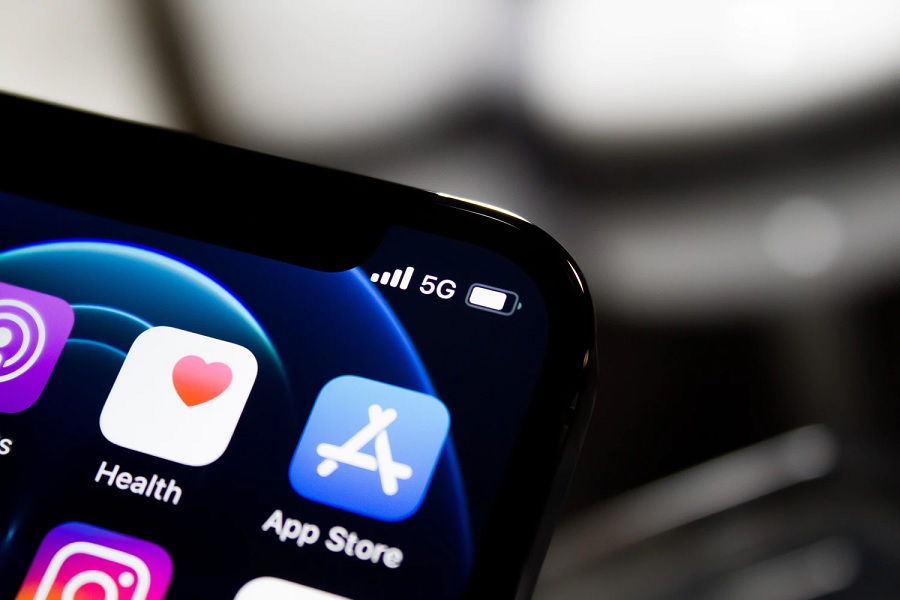
Apple has reached an agreement with small App Store developers following two-year antitrust litigation. As part of the settlement, the company announces massive changes in its storefront policies, along with setting up a fund to support small app developers.
Apple sets up $100 million fund for iOS developers
The Cupertino, California-based tech giant, has revealed the details of its agreement with the plaintiffs of the 2019 case Cameron et al v. Apple Inc. in an official announcement on Thursday. Apple confirmed that it is establishing a “fund to assist small US developers.”
Apple did not mention a specific amount it would allocate for the fund. However, a statement from the Hagens Berman Sobol Shapiro law firm, the appointed lead counsel for the class-action lawsuit, states, “The settlement will result in the creation of a $100 million Small Developer Assistance Fund and important changes to App Store policies and practices.”
iOS app developers who saw an annual earning of $1 million or less from the US App Store between June 4, 2015, and April 26, 2021, will be eligible to benefit from the funding. Apple says this requirement covers more than 99 percent of US iOS developers.
Lawsuit leads to massive changes in App Store policies
Apple has caught some heat over the previous years due to its so-called “anti-steering” policies for developers putting their products on the App Store. Now, the larger part of the lawsuit settlement is leading to massive changes in the App Store policies, specifically with how developers can contact iOS users and how they could collect payments for their apps and other services.
In its statement on Thursday, Apple said it is “clarifying” its rules on how developers can reach iOS users. The tech giant said iOS developers can communicate with customers outside the App Store through other methods, such as email, where they can also discuss “payment methods outside of their iOS app.” Apple also reiterated it would not collect a commission for any app transactions made outside the App Store.
The iPhone maker stated that the developers will still be allowed to set pricing for their apps and services. “Apple will also expand the number of price points available to developers for subscriptions, in-app purchases, and paid apps from fewer than 100 to more than 500,” Apple added.
Photo by James Yarema on Unsplash







