


 CNN, MS NOW and Politico Sue Trump Over White House Media Ban
  Kazakhstan and Tether Explore Tenge Stablecoin and RWA Tokenization
  Zcash Mining Profits Surge as Liquidity Risks Grow
  California AG Subpoenas OpenAI Over AI Cybersecurity Incidents
  Cardano Price Eyes $0.30 as ADA Whale Activity Surges
  CNN, Politico and MS NOW Seek Court Order Blocking Trump White House Ban
  Judge Blocks Trump Election Conditions on Counterterrorism Grants
  Appeals Court Rejects Trump Third-Country Deportation Policy
  Colombia Extradites FARC Dissident Leader ‘Spider’ to US
  DaVoice Sues Perplexity AI Over Trade Secrets
  Trump Administration Prepares Sanctions Against Entire ICC
  Litecoin Marks 15 Years as Grayscale Backs LTC ETF Push
  Circle Stock Falls 4% as Crypto Selloff Overshadows SAP Pay Expansion
  Paramount Skydance Faces $30 Million Film Penalty in Warner Bros. Deal
  Paramount-Warner Bros $110 Billion Deal Draws Antitrust Backlash


 Add as a preferred source on Google
Malcolm Turnbull has announced that the heads of Australia’s big four banks will be grilled annually by the House of Representatives economics committee, as the government hits back at the banks' refusal this week to pass on the full interest rate cut.
Turnbull, who fronted the media with Treasurer Scott Morrison, said the banks “operate under a social licence”. “They are built on a foundation of trust and they have to earn that trust through being open and accountable at all times.”
In what the government dubs a “regular health check”, Turnbull said the banks would appear at least once a year “to give a full account of the way in which they are managing their affairs, their dealing with customers, their interest rate policy”.
The banks would be regularly accountable to the Australian people through parliament “in exactly the same way as the Reserve Bank and APRA [the Australian Prudential Regulation Authority],” he said. The appearances would be part of the “regular financial calendar”.
The move follows Turnbull’s Wednesday tongue-lashing of the banks for passing on only part of the 25 basis points cut, and the pressure the government has been under from Labor which continues to advocate a royal commission into the banks.
The banks will be required to explain:
- international economic and financial market developments and how they were affecting Australia
- developments in prudential regulation, including capital requirements, and their effect on Australian banks' policies
- the costs of funds, impacts on margins, and the basis for bank interest rate pricing decisions
- how individual banks and the industry as a whole were responding to issues previously raised in parliamentary inquiries through their package of reforms announced in April
- bank perspectives on the performance of the Australian economy.
Continuing his attack of earlier this week, Turnbull said there was “no commercial basis… other than to improve their profitability,” for the banks not to pass on the full rate cut. “They must provide a full account of why they have not done so.”
He said the new requirement “will become, if you are a bank chief executive appearing before the House economics committee, part of your regular annual schedule”. He noted that the committee could have additional hearings and call people back.
Morrison said the government had been in touch with the banks about its announcement and had also consulted with the Reserve Bank, the Australian Competition and Consumer Commission and had advised APRA. “So there’s been an appropriate assessment and consideration of how this process would work.”
The Australian Bankers Association chief executive Steven Munchenberg said the government was entitled to call the banks before a parliamentary committee but noted pointedly that “no other businesses are required to justify their commercial pricing decisions in this way”.
“We are confident banks can explain why the interest rates they set for borrowers are determined largely by the costs of funds and the pressures of a highly competitive market, not the Reserve Bank cash rate.”
He said that in making interest rate decisions “banks have to balance the needs of borrowers and savers, and shareholders in banks, most of whom are also ordinary Australians”.
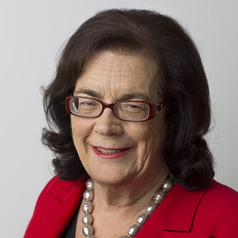
 Michelle Grattan owns bank shares.
Michelle Grattan, Professorial Fellow, University of Canberra
This article was originally published on The Conversation. Read the original article.







