


 Eli Lilly’s Inluriyo Gains FDA Approval for Advanced Breast Cancer Treatment
  Zcash Awards $8 Million in Grants After Orchard Bug Crisis
  Blue Origin’s New Glenn Achieves Breakthrough Success With First NASA Mission
  NASA Artemis II: First Crewed Moon Mission Since Apollo Takes Four Astronauts on 10-Day Lunar Journey
  NASA's Artemis II Crew Arrives in Florida for Historic Moon Mission
  Nike Stock Slides as Revenue Miss Clouds Turnaround
  Tabletop particle accelerator could transform medicine and materials science
  WordPress Malware Uses Ethereum to Evade Removal
  Nvidia China Chip Sales Report Sends Chinese Semiconductor Stocks Lower
  Citi Raises Bitcoin Price Target to $113,000 on ETF Optimism
  XRP Ledger Hits 10 Million AI Payments as Bitcoin Retreats
  Apple CEO John Ternus Plans Major Overhaul
  Volvo Cars Drops Full-Year Outlook as China, US Sales Weaken
  FDA Adds Fatal Risk Warning to J&J and Legend Biotech’s Carvykti Cancer Therapy
  Neuralink Plans High-Volume Brain Implant Production and Fully Automated Surgery by 2026
  Trump, Tech Leaders Sign ‘Morally Binding’ AI Safety Accord


 Add as a preferred source on Google
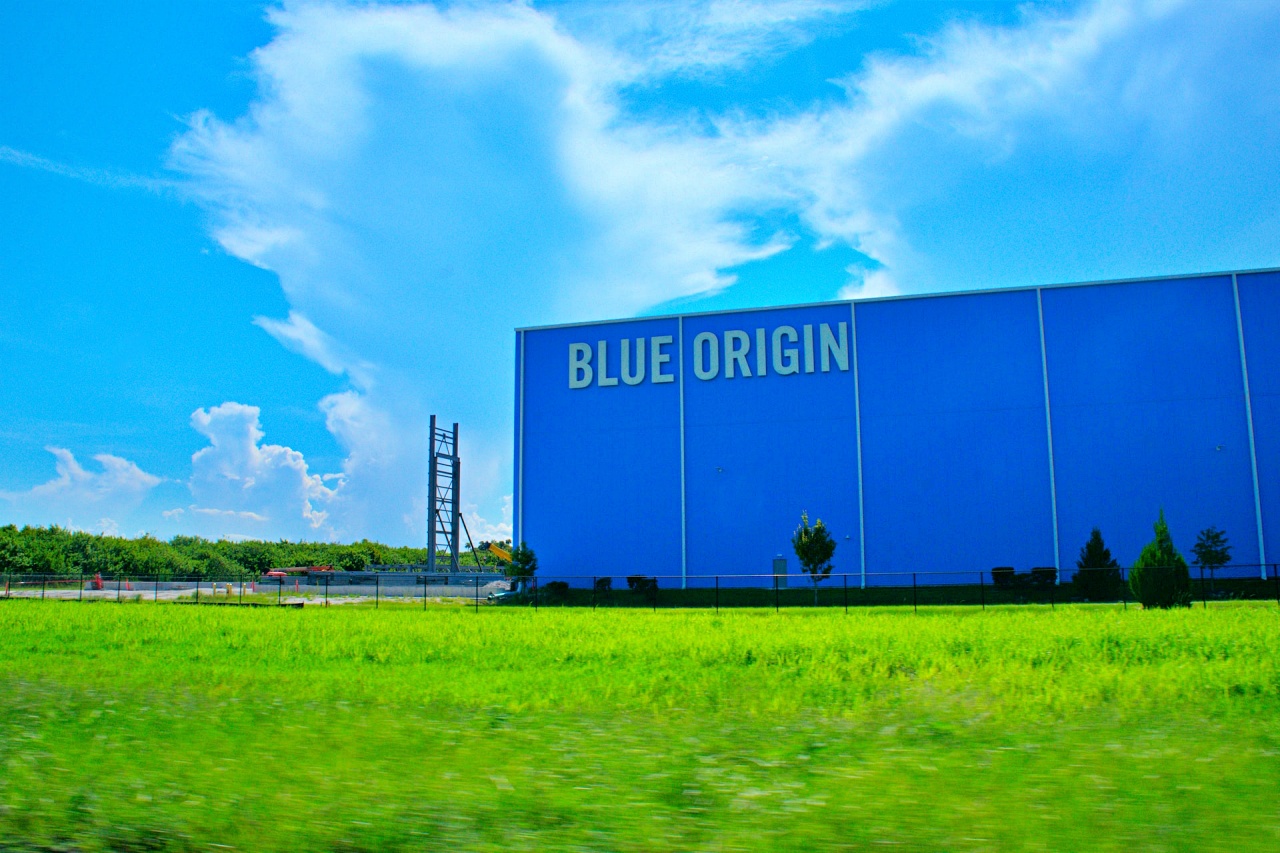
Blue Origin suffered a major setback after its uncrewed New Glenn rocket exploded during a launch pad test in Florida on Thursday, raising new challenges for Jeff Bezos’ space company as it competes with Elon Musk’s SpaceX in the commercial space race.
The incident occurred during a routine hot-fire test, a critical procedure in which rocket engines are ignited while the vehicle remains secured to the ground. Footage captured by NASASpaceflight showed the New Glenn rocket firing up before a powerful explosion created a massive fireball and a towering cloud of smoke above the launch site.
Following the explosion, Blue Origin confirmed that an “anomaly” had taken place, a term frequently used within the aerospace industry to describe launch failures or unexpected incidents. The company stated that all personnel were accounted for and safe, adding that further information would be released after an investigation.
NASA Administrator Jared Isaacman acknowledged the event, emphasizing the difficulty of developing advanced heavy-lift launch systems. He noted that spaceflight remains one of the most demanding engineering challenges and confirmed that NASA would work closely with Blue Origin to investigate the cause and evaluate any potential impact on upcoming missions, including Artemis and Moon Base initiatives.
The setback comes only days after NASA awarded Blue Origin a $188 million contract to transport lunar rovers to the Moon using the company’s Mark 1 cargo lander. The mission is part of NASA’s broader Artemis program aimed at expanding human exploration of the lunar surface.
Jeff Bezos reacted to the incident on X, stating that it was too early to determine the root cause. Despite the loss, he expressed confidence that the company would recover and continue development efforts.
Elon Musk also commented on the explosion, writing, “Most unfortunate. Rockets are hard.”
Blue Origin has invested billions of dollars and spent nearly a decade developing the 29-story-tall New Glenn rocket. Designed with a reusable first stage, the vehicle is intended to compete with SpaceX’s Falcon rockets and support future satellite launches, including Amazon’s Project Kuiper broadband constellation, a direct competitor to Starlink.
The Federal Aviation Administration said it was aware of the explosion but confirmed that the incident did not affect regional air traffic operations. Investigators are expected to examine the cause of the failure as Blue Origin works toward returning New Glenn to flight.







