


 Asian Stocks Drop as Trump Signals Iran War Escalation
  Asian Currencies Weaken as Dollar Rebounds Amid Middle East Escalation
  Bank of Japan Eyes Further Rate Hikes Amid Middle East Tensions and Inflation Pressures
  Morgan Stanley: Fed Rate Cuts Still on Track Despite Oil-Driven Inflation
  Strait of Hormuz Crisis Fuels Oil Surge as Asian Markets Brace for Impact
  Trump's FY2027 Budget: Major Defense Boost and Domestic Spending Cuts
  Iran's Stranglehold on the Strait of Hormuz: What It Means for Global Markets
  U.S. Stock Futures Stabilize Ahead of Good Friday as Investors Eye Jobs Report
  Japan's Services Sector Growth Slows in March Amid Rising Middle East Tensions
  Gold Prices Drop as Trump Escalates Iran Threats, Oil Surges
  Strait of Hormuz Disruption Sparks Global Oil Supply Fears
  U.S. Job Market Braces for Slow Recovery Amid Middle East Tensions and Economic Uncertainty
  Oil Prices Surge as U.S.-Iran Conflict Threatens Global Supply
  Trump's Iran War Speech Sparks Market Anxiety Over Extended Conflict
  Japan Signals Readiness to Intervene as Yen Weakens Toward 160 Per Dollar
  China's Energy Resilience Shields Economy From Global Oil Shock, Goldman Sachs Says


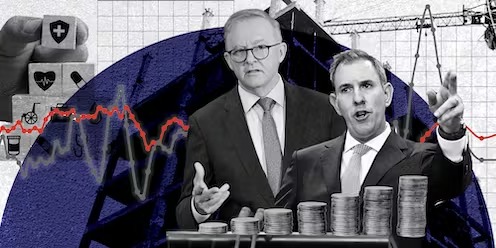


Treasurer Jim Chalmers has delivered his second budget with a heavy focus on cost-of-living relief for Australians who are struggling due to persistently high inflation and rising interest rates.
While Chalmers says the economy should continue to create jobs and unemployment is expected to remain historically low, inflation remains the top economic concern.
Chalmers says the budget is aimed at providing relief to Australians while trying to prevent adding to inflationary pressures (though some economists have expressed doubts that this will be possible).
The clear highlight of this budget is the government’s $14.6 billion cost-of-living relief spending plan, which includes some of the major measures listed below.
The government is also forecasting a “small surplus” of $4.2 billion in this financial year, the first time it’s been in the black in 15 years. However, this is expected to be followed by a deficit of $13.9 billion in 2023-24 – and forecasted deficits over the following three years.
Here are five charts to show how the current budget fits in with historic economic trends and other economic indicators. Following that is a breakdown of notable spends and cuts in the budget across specific portfolios.









