


 DogecoinVM Makes DOGE Transactions 300x Faster
  Moscow Exchange to Launch Crypto Trading on December 1
  US Suspends Microsoft, Adobe From Green Card Program
  Litecoin Marks 15 Years as Grayscale Backs LTC ETF Push
  Starbucks Explores Chipotle Acquisition as Shares Swing
  New York Declares Measles Disaster Emergency as Cases Surge
  Kalshi Wins CFTC Approval for S&P 500 Perpetual Futures
  UK Warned Over Growing Reliance on US Cloud Providers
  Trump Opens Tax-Exempt Dyed Diesel Access as Fuel Prices Surge
  Polkadot Launches dotUSD Stablecoin as DOT Price Falls
  Mexico Bars Dual Citizens From Presidential Races Starting in 2028
  Oracle Uses Trucked Natural Gas to Power AI Data Centers Amid Pipeline Delays
  Saudi Arabia Probes Flydubai Cockpit Attack
  San Francisco Halts New Data Center Construction With 45-Day Moratorium
  Circle Urges EU to Revise MiCA Stablecoin Rules
  US Grants Aurora Five-Year Exemption for Self-Driving Trucks
  SEC Investor Reform Validates Barry Silbert’s Tokenization Vision


 Add as a preferred source on Google
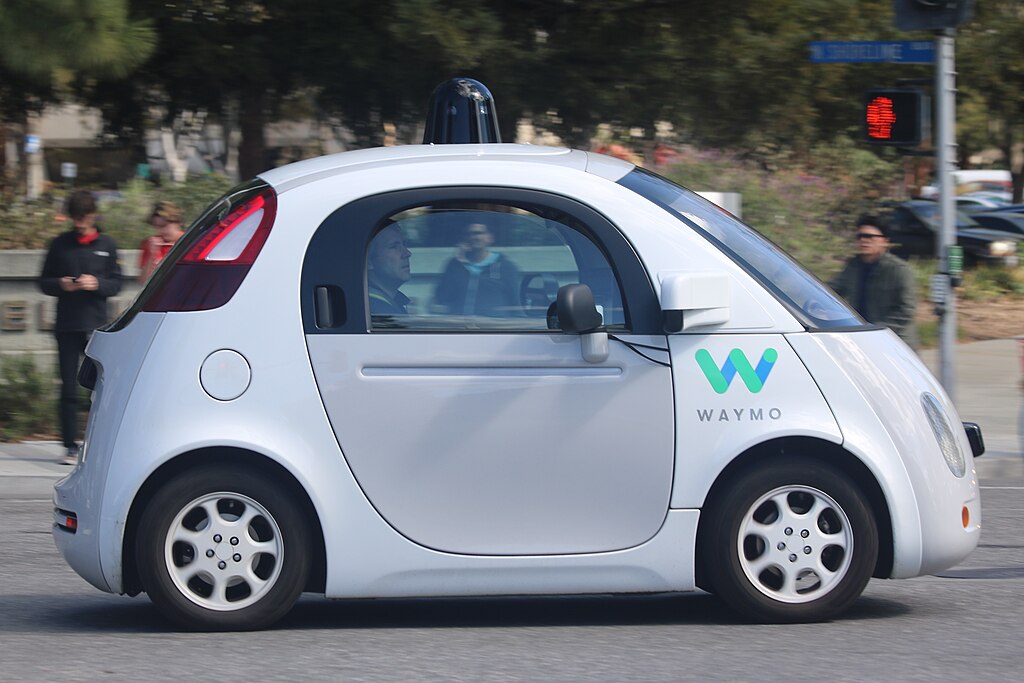
The California Department of Motor Vehicles (DMV) is taking a significant step toward strengthening the safety framework for autonomous vehicles by working closely with self-driving car manufacturers on expanded operational plans, with a strong emphasis on emergency response protocols. This move comes as autonomous vehicle deployment continues to grow across California, particularly in major cities like San Francisco.
The DMV announced on Friday that it is drafting new regulations aimed at improving oversight of remote drivers and remote assistants who support autonomous vehicle operations. Under the proposed rules, manufacturers will be required to ensure that these remote operators meet strict standards for safety, accountability, and responsiveness. The goal is to guarantee that human support systems behind autonomous vehicles are capable of reacting effectively during unexpected or high-risk situations.
This regulatory initiative follows a series of recent incidents involving Alphabet-owned Waymo robotaxis. During a widespread power outage in San Francisco, several Waymo autonomous vehicles reportedly stalled at intersections where traffic lights were not functioning. As the vehicles were unable to safely navigate intersections without operational signals, they stopped in place, leading to traffic congestion and disruptions for other road users.
The incidents raised broader concerns about how autonomous vehicles handle emergency scenarios, including power outages, infrastructure failures, and complex urban traffic conditions. While the vehicles are designed to prioritize safety, the inability to adapt smoothly during such events highlighted gaps in current operational planning and emergency response coordination.
By introducing clearer requirements for remote vehicle support, the California DMV aims to reduce risks associated with autonomous driving technology and ensure public safety remains a top priority. The proposed regulations are expected to require manufacturers to demonstrate that remote operators can intervene promptly, communicate effectively with emergency responders, and make real-time decisions when autonomous systems encounter limitations.
As California continues to lead the nation in autonomous vehicle regulation, these new rules signal a push toward greater accountability and preparedness. For autonomous vehicle companies, compliance will likely mean enhanced training, improved monitoring systems, and closer collaboration with state regulators. For the public, the changes are intended to build trust and confidence in the evolving self-driving car ecosystem while addressing real-world safety challenges.







