


 Disney Expands Infinity Vision to Challenge Imax
  US Suspends Microsoft, Adobe From Green Card Program
  Mexico Bars Dual Citizens From Presidential Races Starting in 2028
  US Grants Aurora Five-Year Exemption for Self-Driving Trucks
  EU Gives Crypto Platforms Three Months to Remove USDT Under MiCA Rules
  Crypto Rallies as CLARITY Act Failure Opens Door to Faster SEC Rules
  Trump Buys Up to $25M in Meta Stock, Invests in SpaceX Debt
  TSMC Q3 Revenue Beats Estimates as AI Chip Demand Surges
  Australia Probes Flydubai Co-Pilot’s Links After FZ1073 Hijack Attempt
  Gate Launches Gate Money as Crypto Super App Race Heats Up
  Oracle Uses Trucked Natural Gas to Power AI Data Centers Amid Pipeline Delays
  Samsung Q3 Profit Hits Record High on AI Memory Demand
  Fairshake Backs 32 Pro-Crypto House Candidates
  Levi Strauss Beats Q3 Profit Estimates, Raises 2026 Outlook
  Micron Shares Rise 4% Despite Taiwan Strike Risk
  Circle Stock Falls 4% as Crypto Selloff Overshadows SAP Pay Expansion
  US Conducts Non-Nuclear Explosion Test to Boost Nuclear Detection


 Add as a preferred source on Google
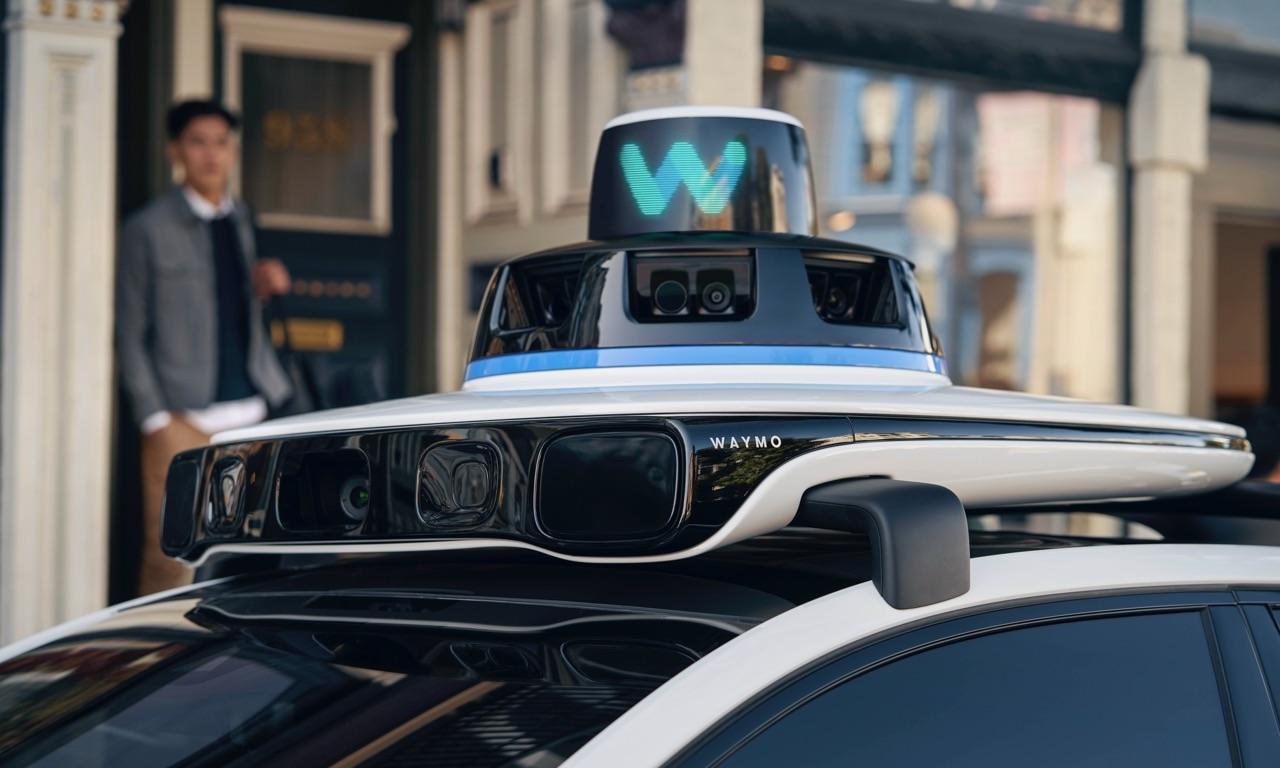
A major power outage in San Francisco has prompted scrutiny from California regulators after multiple autonomous vehicles operated by Alphabet’s Waymo stalled on city streets, disrupting traffic and raising fresh concerns about the reliability of robotaxi services during emergencies. The incident occurred Saturday following a fire at a Pacific Gas & Electric (PG&E) substation that knocked out electricity to roughly one-third of the city, impacting an estimated 130,000 residents and forcing some businesses to temporarily close.
As traffic signals across affected neighborhoods stopped functioning, numerous Waymo robotaxis were seen halted at intersections with hazard lights activated. Videos circulating on social media showed vehicles remaining stationary for extended periods, contributing to traffic congestion and gridlock in parts of San Francisco. In response, Waymo paused its ride-hailing operations Saturday evening as the outage unfolded, resuming service in the San Francisco Bay Area on Sunday after conditions stabilized.
The California Public Utilities Commission (CPUC), which regulates commercial robotaxi operations alongside the California Department of Motor Vehicles, confirmed it is reviewing the incidents involving Waymo vehicles. A CPUC spokesperson told Reuters the agency was aware of the outage-related stalling and was examining the situation, though specific details of the review were not disclosed. Waymo did not immediately comment on the regulator’s statement.
Waymo later explained that its fully autonomous driving system is programmed to treat non-functional traffic signals as four-way stops. However, the company acknowledged that the widespread nature of the power outage led to situations where vehicles remained stopped longer than expected. A spokesperson said Waymo is incorporating lessons learned from the disruption and remains committed to improving how its technology adapts to unusual traffic conditions.
The episode underscores broader challenges facing the commercialization of autonomous vehicles, including high development costs, complex regulations, and heightened scrutiny following past collisions that forced several companies to scale back or shut down operations. Despite these hurdles, robotaxis have returned to the spotlight as Waymo accelerates expansion across major U.S. cities and Tesla rolls out its own self-driving taxi service in Austin, Texas.







