


 Ukraine minerals deal: the idea that natural resource extraction can build peace has been around for decades
  Trump Signs Executive Order Threatening 25% Tariffs on Countries Trading With Iran
  LA fires: Fast wildfires are more destructive and harder to contain
  South Korea Assures U.S. on Trade Deal Commitments Amid Tariff Concerns
  Singapore Budget 2026 Set for Fiscal Prudence as Growth Remains Resilient
  U.S. Stock Futures Slide as Tech Rout Deepens on Amazon Capex Shock
  Rise of the Zombie Bugs takes readers on a jaw-dropping tour of the parasite world
  South Korea’s Weak Won Struggles as Retail Investors Pour Money Into U.S. Stocks
  Russian Stocks End Mixed as MOEX Index Closes Flat Amid Commodity Strength
  Thousands of satellites are due to burn up in the atmosphere every year – damaging the ozone layer and changing the climate
  The UK is surprisingly short of water – but more reservoirs aren’t the answer
  How is Antarctica melting, exactly? Crucial details are beginning to come into focus
  Swimming in the sweet spot: how marine animals save energy on long journeys


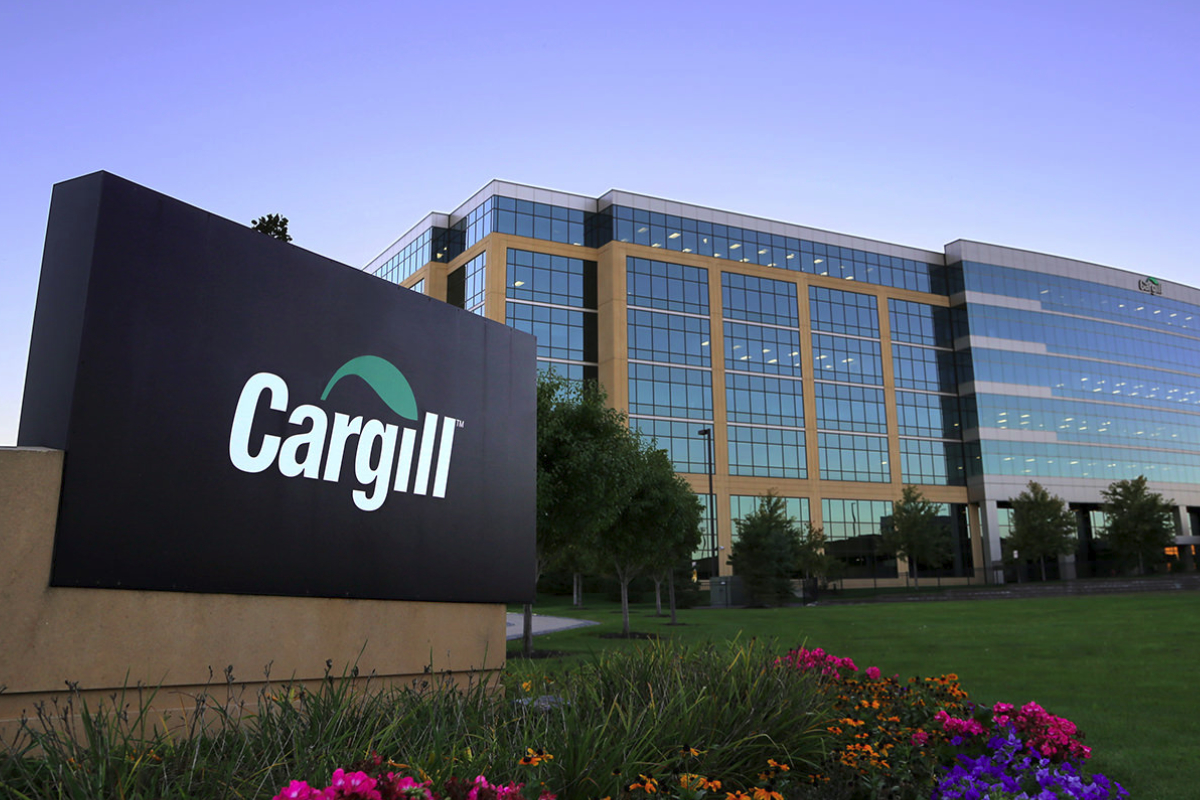
Cargill is planning to pay farmers $20 per metric ton of carbon emissions they reduce through regenerative agricultural practices.
The company intends to pass the “green” credits on to its customers.
The Cargill RegenConnect project would hook up Cargill’s food processor customers with the grain and other commodities produced by farmers who practice carbon-reduction techniques.
Customers with sustainability goals relating to greenhouse gases could then incorporate the carbon savings from the farmers into their compliance statistics.
The RegenConnect project is part of Cargill’s efforts over more than a decade to persuade farmers to practice more sustainable agriculture.
Ben Fargher, vice president of sustainability in Cargill’s North American agricultural supply chain, said the changes they would make at the roots of our supply chains will deliver the greatest impact in reducing emissions, improving water quality, sequestering carbon, and building the resilience of soils for the next generation while delivering higher yields.
Cargill is working hand-in-hand with farmers to lead the way, supporting them with tools, resources, and market access to make the shift to regenerative agriculture.”













