


 TSMC CoWoS Capacity Forecast Raised as Mizuho Sees AI Server CPU Demand Surging Through 2027
  Nvidia Stock Rises as SemiAnalysis Sees AI Data Center Revenue Beating Wall Street Forecasts
  OpenAI Proposes 5% U.S. Government Stake Amid AI Policy Talks
  Kioxia Bets on AI Memory Boom With Next-Gen NAND Production in Japan
  The government is ‘doubling down’ on its social media ban. But bigger penalties for platforms aren’t enough
  AI can be a personal trainer in your pocket – but is it safe?
  Baidu Shares Rally as Kunlunxin Eyes $50 Billion Hong Kong IPO
  Smartphones are helping filmmakers tell the stories the movie industry overlooks
  Apple Challenges India Antitrust Probe, Says CCI Copied Rivals’ Claims in App Store Case
  Meta Stock Jumps as AI Cloud Expansion Challenges AWS, Microsoft, and Google
  Trump Administration to Launch Voluntary AI Standards for Frontier Models
  Morgan Stanley Raises Tesla Q2 Delivery Forecast on Strong Europe and China Demand
  Open-Source AI Models Gain Ground as Enterprises Seek Lower-Cost Alternatives, Citi Says
  South Korea Alleges Google Abused Android App Store Dominance, Eyes Major Fine
  Apple Eyes Chinese Memory Chips as AI Shortage Pressures iPhone Supply Chain
  Anthropic Brings Claude AI Models to Microsoft Azure Foundry With NVIDIA Blackwell GPUs
  SoftBank Shares Slide as OpenAI IPO Delay Concerns Weigh on AI Investment Outlook


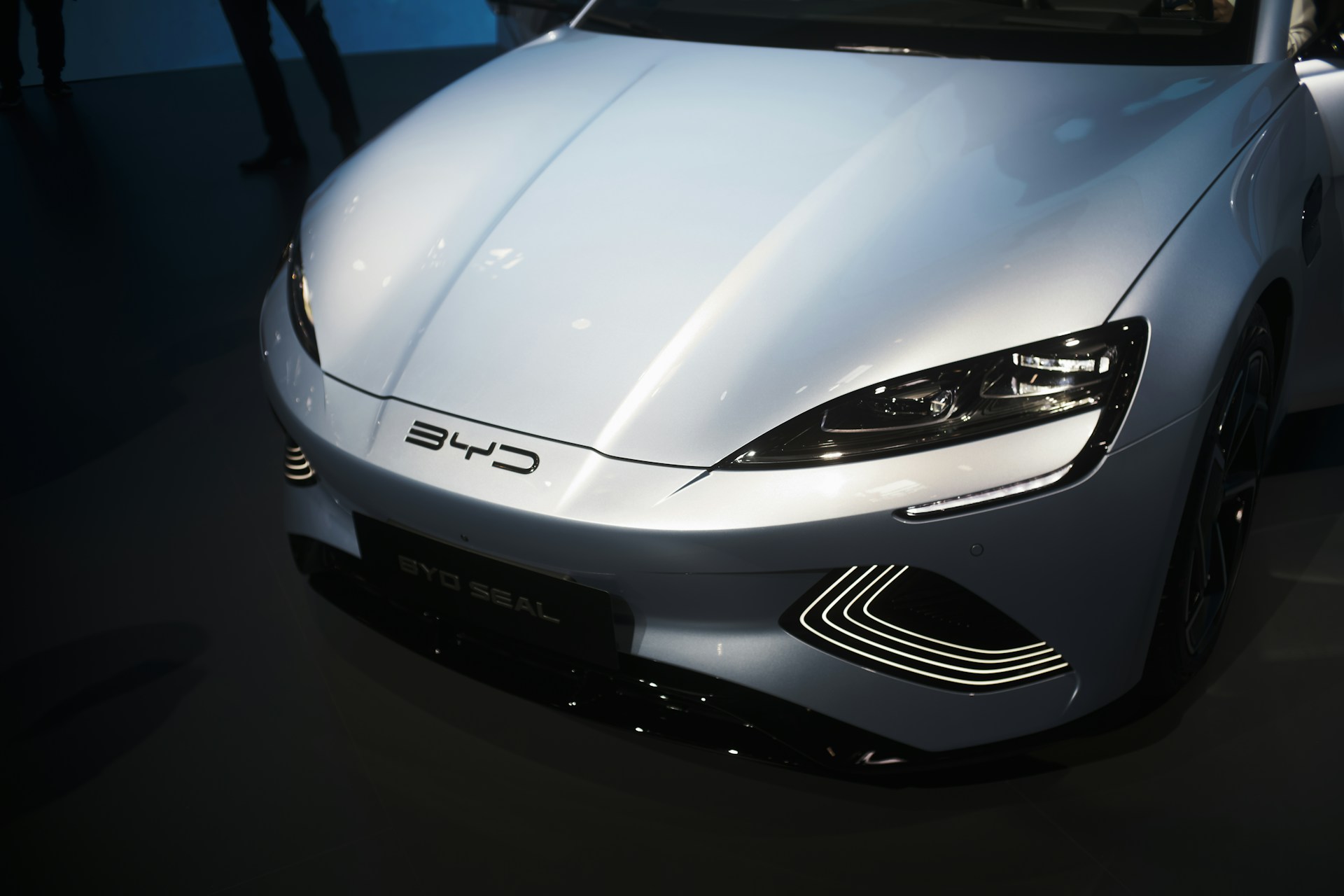
A German study reveals that China has funneled at least $3.7 billion in subsidies to BYD, a leading EV manufacturer, as part of an aggressive strategy to position the country as a frontrunner in the global electric vehicle race.
BYD's Soaring Subsidies Spark EU Concerns, Trigger Investigation into Chinese EV Practices
BYD received this large sum in direct government subsidies as part of the Chinese government's push to lead the world in EVs and other clean technology, according to a new study first reported by Bloomberg.
According to Germany's Kiel Institute for the World Economy, BYD received €220 million in 2020 and increased to €2.1 billion two years later. Direct subsidies increased business revenues from 1.1% in 2020 to 3.5% in 2022. Furthermore, the study's authors claim that BYD receives significantly higher purchase premiums for electric vehicles in China than domestic manufacturers like GAC or foreign companies producing locally, such as Tesla or VW's joint ventures.
Europe is dissatisfied with what is happening. While complaints about unfair trade practices are not new, they have taken on new dimensions as Chinese EV and green tech companies emerge as fierce competitors worldwide. The EU launched its formal investigation into the Chinese EV industry in October 2023, as European companies struggle to compete with low-cost, high-tech Chinese imports manufactured by low-wage workers entering the EU.
According to Electrek, The European Commission visited BYD, Geely, and SAIC to gather information as part of its investigation into what it claims are both subsidies and bank lending campaigns from Beijing that have fueled China's outsized growth, with concerns that China is building EV plants far beyond what is required for domestic demand. Following months of investigation, the EC has announced that it is considering imposing retroactive tariffs on Chinese EVs to help keep European automakers in the game.
China's Massive Subsidies Propel Domestic Industries, Spark International Trade Tensions
According to the Kiel Institute, China provided direct payments to virtually all of its listed companies, including wind, solar, and railway, resulting in aid that was up to nine times greater than that provided by large EU and OECD countries such as Germany and the United States.
Meanwhile, the US and Europe have tightened their regulations on Chinese cars and EV parts sold in their respective countries, with tariffs so high in the US that China has shifted its focus to other regions, namely South America, Asia, and Europe. In addition, the European Union has set up a €40 billion innovation fund to compete with China and the US Inflation Reduction Act.
For its part, China has described the EU subsidy probe as a protectionist move by Europe, claiming that its automakers are winning because they produce better products. Of course, the study's author acknowledges that the rapid adoption of green technology in Europe, in particular, is due in large part to low-cost Chinese goods.
“China’s subsidy policy has been a controversial issue for years: European industries often struggle to compete with Chinese counterparts on price,” says Dirk Dohse, research director at the Kiel Institute and co-author of the study. “However, without China’s subsidized technology, products crucial for Germany’s green transformation would become more expensive and scarce as well.”
BYD reported a net income of $4.16 billion (30.04 billion yuan), compared to an estimated $4.29 billion (30.94 billion yuan), giving it plenty of room to undercut competitors with aggressively low pricing, as we've previously reported by Electrek. The company reported a more than 80% increase in net profit last year, showing no signs of slowing down.
Photo: Michael Förtsch/Unsplash







