


 Zelenskiy Plans Ukraine Government Shake-Up as Prime Minister Svyrydenko Set to Step Down
  Iran's Supreme Leader Vows Revenge as Trump Threatens Massive U.S. Military Response
  UN Says Hamas Disrupted Gaza Aid Distribution, Group Denies Allegations
  Oil Prices Jump as U.S.-Iran Conflict and Strait of Hormuz Tensions Shake Global Markets
  Gold Price Holds Near $4,000 as Middle East Tensions and Fed Rate Hike Bets Grow
  US-Iran Strikes Escalate as Strait of Hormuz Crisis Pushes Oil Prices Higher
  US Stock Futures Slide as Iran Conflict Escalates Ahead of Key Q2 Earnings Week
  EU Ministers Split as Support Grows for Ban on Trade With Israeli West Bank Settlements
  South Korea’s KOSPI Enters Bear Market Despite Remaining 2026’s Best-Performing Major Stock Index
  Trump, Canada Reach Gordie Howe Bridge Deal Ahead of July 27 Opening
  Ukraine, Europe Launch Freyja Missile Shield to Strengthen Air Defense Against Russia
  Ann Widdecombe Murder: Police Arrest Second Suspect, Rule Out Terrorism Motive
  HHS Watchdog Reports $5.56 Billion in Healthcare Fraud Recoveries as Enforcement Actions Decline
  South Korea Central Bank Set to Raise Interest Rates as Inflation Stays Elevated
  Japanese Yen Holds Steady as Intervention Hopes Grow Ahead of U.S. CPI Data
  Iraq PM Visits Washington as U.S. Oil, Gas Deals Take Center Stage
  DOJ Subpoenas New York Times Journalists Over Air Force One Leak Report


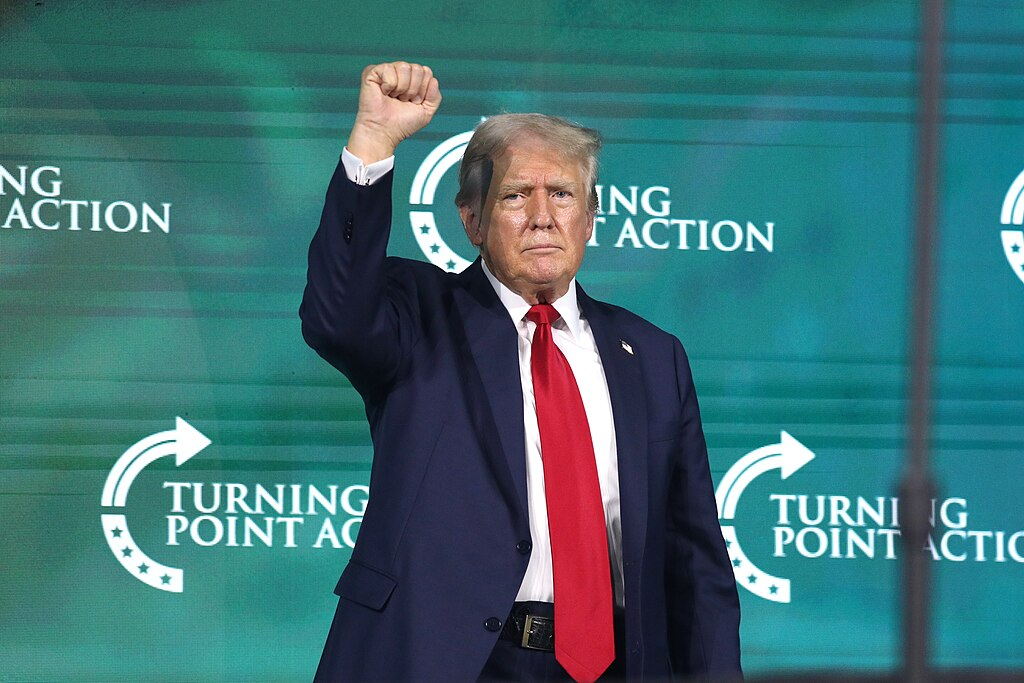
China’s economic growth is at risk as Trump’s 60% US tariff hike looms. ANZ Research predicts a potential 1.5% GDP reduction, echoing tensions from the 2018 trade war and signaling further strain on global trade dynamics.
Trump's Tariff Plans Could Slash China's GDP by 1.5%
According to ANZ Research, China's GDP would fall by 1.5 percent in the next years as a result of the expected rise in U.S. tariffs on Chinese imports, Investing.com shares.
In this scenario, a tariff increase of up to 60% is anticipated. During his campaign for president, Donald Trump promised to slap tariffs of more than 60% on Chinese imports and to remove China's most-favored-nation trading status.
This study is based on findings from the last US-China trade war (2018–2020), when tariffs severely limited trade between the two countries. ANZ pointed out that Trump's forthcoming tariff measures are reminiscent of his previous approaches and will likely make trade disruptions worse.
China Expands Global Trade Partnerships Amid Challenges
In an effort to lessen its reliance on the United States, China has been broadening its economic alliances since 2018. According to a note from ANZ analysts, the proportion of U.S. imports from China dropped to 12.2% by 2023, a fall of 5.1 percentage points from 2018.
At the same time, China increased commerce with Latin American and ASEAN nations. Deflationary pressures and overcapacity problems make it difficult for China to move exports to other countries, thus this plan has its limitations, according to economists.
ANZ analysts warn that devaluing the currency won't do much to counteract the effects of tariffs, therefore it shouldn't be used as a countermeasure. This strategy loses some of its appeal due to the possibility of capital outflows, as a 20% depreciation of the Chinese yuan would only lead to a 4.4% drop in US retail prices.
Vietnam and Mexico Emerge as Trade Winners
Countries such as Vietnam and Mexico have reaped significant benefits from China's investments, according to ANZ, as the global supply chain realignment gains momentum. Rising trade frictions, however, pose a further possibility of complicating these processes.
The anticipated tariff hikes will put a strain on China's economic growth and trade balance in the near term, according to ANZ analysts. However, the country's reduced reliance on U.S. trade does provide some buffer.







