


 Singapore Budget 2026 Set for Fiscal Prudence as Growth Remains Resilient
  Japan Economy Poised for Q4 2025 Growth as Investment and Consumption Hold Firm
  Jerome Powell Attends Supreme Court Hearing on Trump Effort to Fire Fed Governor, Calling It Historic
  Bank of Canada Holds Interest Rate at 2.25% Amid Trade and Global Uncertainty
  RBA Expected to Raise Interest Rates by 25 Basis Points in February, ANZ Forecast Says
  Thailand Inflation Remains Negative for 10th Straight Month in January
  Dow Hits 50,000 as U.S. Stocks Stage Strong Rebound Amid AI Volatility
  Dollar Steadies Ahead of ECB and BoE Decisions as Markets Turn Risk-Off
  ECB’s Cipollone Backs Digital Euro as Europe Pushes for Payment System Independence
  Fed Governor Lisa Cook Warns Inflation Risks Remain as Rates Stay Steady
  Russian Stocks End Mixed as MOEX Index Closes Flat Amid Commodity Strength
  Why Trump’s new pick for Fed chair hit gold and silver markets – for good reasons
  BOJ Rate Decision in Focus as Yen Weakness and Inflation Shape Market Outlook


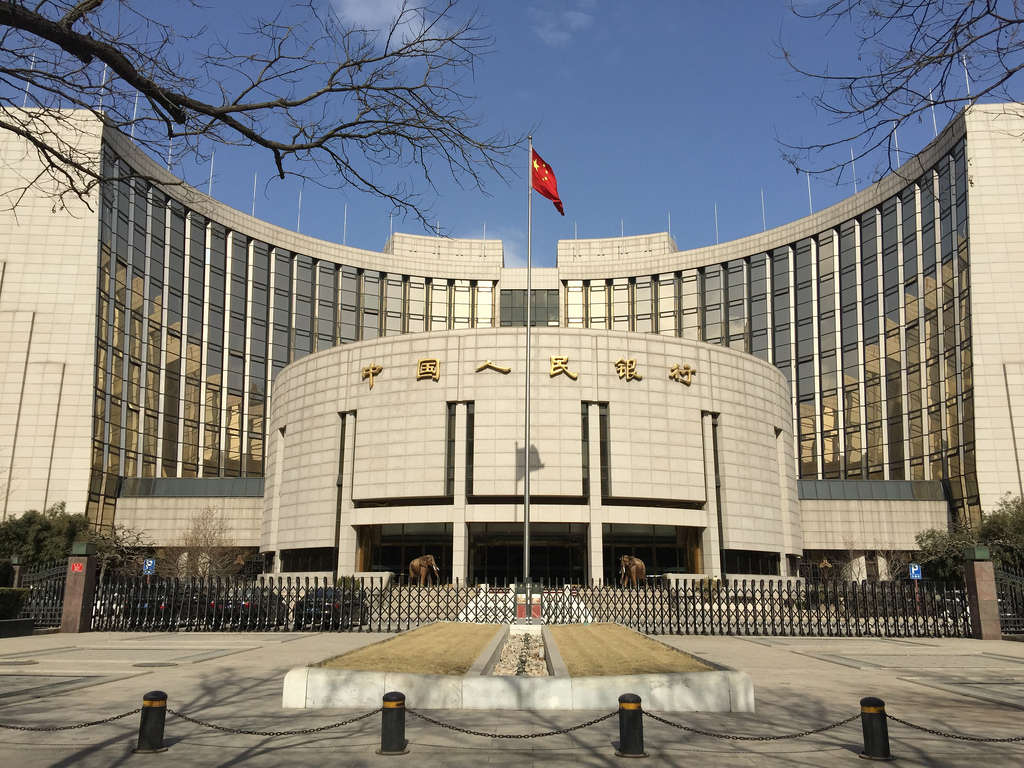
China kept its benchmark lending rates unchanged for the eighth consecutive month in January, signaling a continued cautious approach to monetary policy amid a fragile economic recovery. The decision, announced on Tuesday, was widely anticipated by financial markets and analysts, reinforcing expectations that policymakers are prioritizing stability over aggressive stimulus at this stage.
The People’s Bank of China left the one-year loan prime rate (LPR) at 3.0% and maintained the five-year LPR at 3.5%. These rates serve as key reference points for lending across the world’s second-largest economy. The one-year LPR is the benchmark for most new and outstanding corporate and household loans, while the five-year LPR plays a critical role in determining mortgage rates and long-term borrowing costs in China’s property sector.
Market consensus ahead of the announcement pointed clearly toward no change. In a Reuters survey of 22 market participants conducted last week, all respondents correctly predicted that both the one-year and five-year LPRs would remain unchanged. This unanimous outlook reflected growing confidence that Chinese policymakers are comfortable with the current policy stance, even as economic headwinds persist.
China’s central bank has been balancing the need to support economic growth with concerns over financial risks, currency stability, and capital outflows. While recent data has shown modest improvements in consumption and industrial activity, challenges such as weak property demand, local government debt pressures, and subdued private investment continue to weigh on the outlook. As a result, authorities appear reluctant to deploy broad-based rate cuts, instead favoring targeted measures and liquidity support where needed.
By keeping lending rates steady, China aims to provide policy continuity and predictability for businesses and households. The unchanged LPRs also suggest that further easing, if any, may depend on clearer signs of economic deterioration or deflationary pressure in the months ahead. For now, the rate decision underscores Beijing’s commitment to a measured and data-driven monetary policy approach.













