


 BoE Policymaker Alan Taylor Signals No Need for Interest Rate Hike Amid Iran War Inflation Risks
  Oil Prices Surge as Iran-Israel Tensions Escalate, Raising Supply Concerns
  Gold Prices Hit 11-Week Low as Strong U.S. Jobs Data Dampens Rate Cut Hopes
  US Dollar Dips as Middle East Tensions Ease; Markets Await Key US Inflation Data
  Gold Prices Fall Amid Rate Jitters; Copper Steady as China Stimulus Eyed
  Gordie Howe International Bridge Set to Open, Boosting U.S.-Canada Trade Links
  Indonesia Plans Higher Asset Yields to Boost Rupiah and Restore Investor Confidence


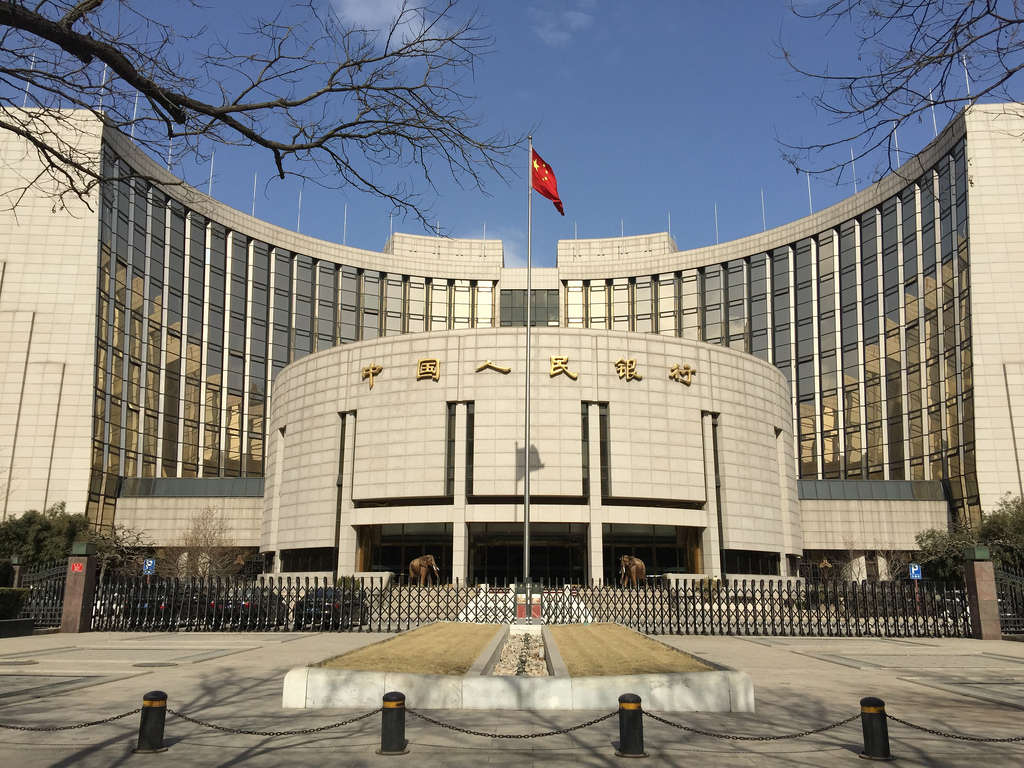
People’s Bank of China (PBoC) will release December’s forex reserves data on Saturday. The stockpile is expected to drop for the sixth consecutive month, testing the USD3 trillion level from November’s USD3.05 trillion.
The decline would be a reflection of both currency intervention and capital outflows. Over the past few months, yuan weakness and capital outflows have been mutually reinforcing. The yuan has depreciated 4.3 percent against the dollar since October and estimated capital outflow rose to USD73.5 billion in November from USD67.2 in September, DBS reported.
The ratio of corporate sales of forex to receipts also fell to 0.56, in line with the historic low seen in early 2016. Corporates keen to hold on to their dollars suggests bearish sentiment on the Chinese currency. To stem outflows, regulators have tightened scrutiny on personal forex purchases.
The latest move follows steps at the end of 2016 to make foreign acquisitions by Chinese companies harder. Looking forward, the narrowing China-US rate differential will continue to weigh on the yuan and capital outflows.
"Regulators are expected to further intensify restrictions on capital outflows. To offset drains on domestic liquidity from outflows, the PBoC may inject liquidity through open market operations and targeted loans. This of course would encourage rather than discourage further outflow," the report said.







