


 Pentagon Orders Iran Strike Preparations as Trump Weighs Military Action
  UK Sanctions Crypto Exchanges Linked to Russia
  Illinois Delays Crypto Tax Law Until July 2027
  US Pressures Allies to Distance From Anti-Disinformation Conference
  Florida Seeks Tougher Meta Rules to Protect Young Users
  OpenAI, Anthropic Back Mandatory AI Breach Reporting in Australia
  Trump Buys Up to $25M in Meta Stock, Invests in SpaceX Debt
  Kalshi Wins CFTC Approval for S&P 500 Perpetual Futures
  US Charges Maduro and Wife With Torture Conspiracy
  US-Taiwan Ties Remain Strong as Taipei Urges Timely Arms Deliveries
  US DOT Ends Airline Privacy Review Without Enforcement
  ICC Rules Duterte Fit to Stand Trial in Drug War Case
  Saudi Airport Attacks Kill Three as Yemen Fighting Escalates
  US Conducts Non-Nuclear Explosion Test to Boost Nuclear Detection
  Trump Says He Deserves 2026 Nobel Peace Prize Despite Uncertain Chances
  SEC Investor Reform Validates Barry Silbert’s Tokenization Vision
  US, Greece Launch New Counterterrorism Security Program


 Add as a preferred source on Google
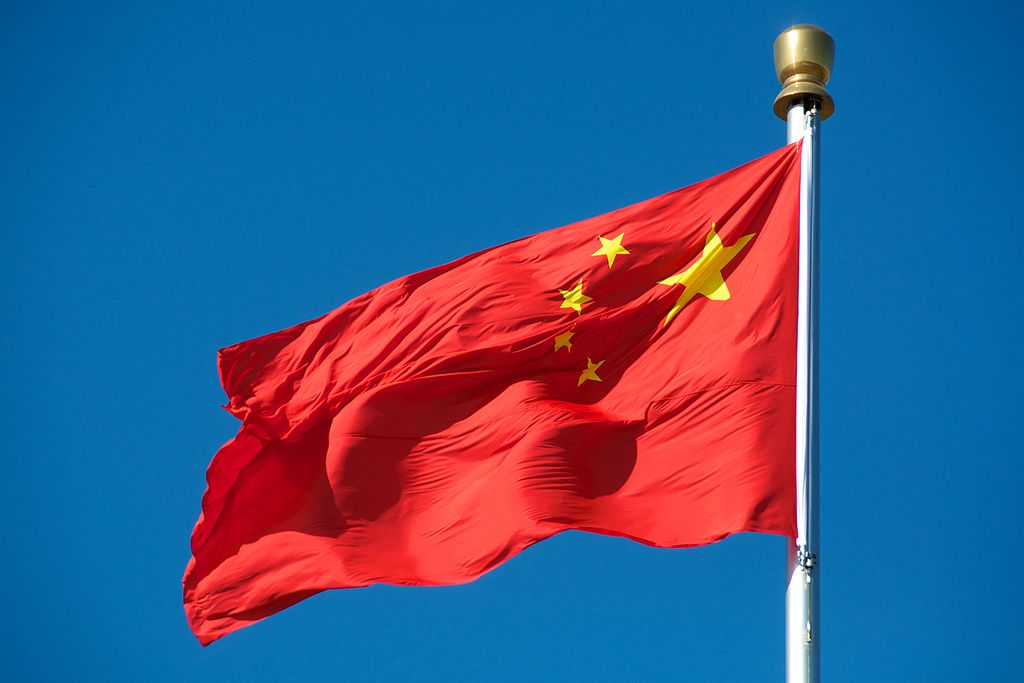
The death of Peng Peiyun, a former senior Chinese official who oversaw the country’s one-child policy for a decade, has reignited fierce debate on Chinese social media about the long-term impact of the controversial population control program. Instead of widespread tributes, many online reactions focused on anger and grief over a policy that reshaped millions of lives and continues to affect China’s demographic future.
Peng Peiyun, who served as head of China’s Family Planning Commission from 1988 to 1998, died in Beijing on Sunday just days before her 96th birthday. State media described her as “an outstanding leader” for her work related to women and children, praising her role during a critical period of China’s population management. However, the response on platforms such as Weibo was sharply critical, with users blaming the one-child policy for forced abortions, sterilisations, and the loss of countless unborn children.
China’s one-child policy, enforced nationwide from 1980 until 2015, was introduced to curb rapid population growth that leaders feared could hinder economic development. In practice, local officials often used coercive measures, particularly in rural areas where Peng focused much of her work. In these regions, large families were traditionally seen as essential for old-age support, and a cultural preference for sons led to gender imbalances, abandoned infant girls, and selective abortions.
Online commenters highlighted the long-term consequences, noting that children who were never born would now be nearly 40 years old and contributing to society. Others argued that if the policy had ended earlier, China’s current population decline might not be as severe. China’s population fell to about 1.39 billion last year, declining for the third consecutive year and falling behind India in 2023. Experts warn the downward trend will accelerate, with new population data expected in 2025.
In later years, Peng herself publicly acknowledged the need to ease the one-child policy. Today, Beijing is grappling with a shrinking and aging population, offering childcare subsidies, tax incentives, and longer maternity leave to encourage births. Despite these efforts, concerns remain that labor shortages, rising elderly care costs, and pressure on public finances will pose major challenges to China’s economy in the years ahead.







