


 How ongoing deforestation is rooted in colonialism and its management practices
  What’s the difference between baking powder and baking soda? It’s subtle, but significant
  We combed through old botanical surveys to track how plants on Australia’s islands are changing
  Office design isn’t keeping up with post-COVID work styles - here’s what workers really want
  Booked to travel through the Middle East? Here’s why you shouldn’t cancel your flight
  Locked up then locked out: how NZ’s bank rules make life for ex-prisoners even harder
  Thousands of satellites are due to burn up in the atmosphere every year – damaging the ozone layer and changing the climate
  GesiaPlatform Launches Carbon-Neutral Lifestyle App ‘Net Zero Heroes’
  Columbia Student Mahmoud Khalil Fights Arrest as Deportation Case Moves to New Jersey
  SoftwareONE Posts 22.5% Revenue Surge in 2025 on Crayon Acquisition
  Heritage, desire and diplomacy: why China still values scotch whisky
  Luxury Car Sales in the Middle East Take a Hit Amid Iran War
  Nike Beats Q3 Estimates but China Weakness and Margin Pressure Weigh on Outlook
  Burkina Faso and Mali’s fabulous flora: new plant life record released
  SpaceX Eyes Historic IPO at $1.75 Trillion Valuation
  Wildfires ignite infection risks, by weakening the body’s immune defences and spreading bugs in smoke


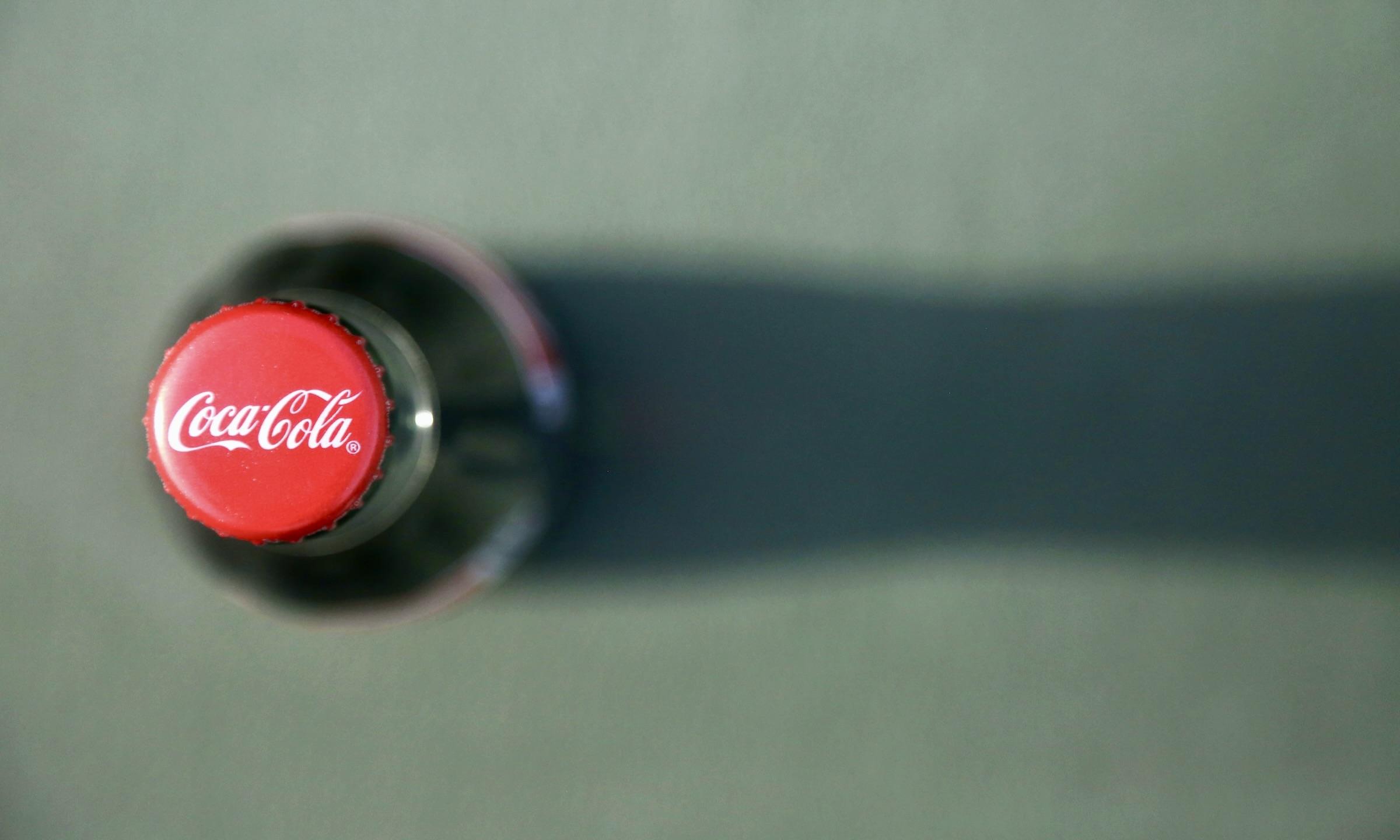
Coca-Cola announces a packaging redesign, attaching bottle caps to its plastic bottles, ensuring complete recyclability in European countries, including the United Kingdom, France, Spain, and others, addressing a key pollution concern.
According to the North Sea Foundation, plastic bottle caps rank among the top five deadliest ocean pollutants. In 30 years, beach cleaning activities have uncovered 20 million bottle caps. These caps significantly threaten sea birds and marine mammals that may ingest them.
While recycling challenges persist, attaching the caps directly to the bottles is expected to reduce the number of unrecycled caps that pollute the ocean. Despite Coca-Cola's claim that all their bottles are 100% recyclable, the caps have not always been included in recycling. This new design change aims to prevent littering and curb the caps' impact on beaches and water sources.
John Woods, the general manager of Coca-Cola Great Britain, expressed his optimism about the impact of this small but crucial change. He stated this is a small change that we hope will have a big impact, ensuring that when consumers recycle our bottles, no cap gets left behind.
The goal aligns with Coca-Cola's commitment to collect and recycle a bottle or can for every one they sell by 2025, contributing towards a World Without Waste. This latest redesign follows previous initiatives aimed at reducing plastic pollution.
In collaboration with Liberty Coca-Cola Beverages, Graphic Packaging eliminated six-pack plastic rings from packaging in the United States. This eco-friendly swap will remove over 34,000 kilograms (75,000 pounds) of plastic packaging from the supply chain annually.
To comply with an EU law specifying that caps and lids remain attached to drinks containers up to 3 liters, Coca-Cola aims to have all bottles in Europe equipped with attached caps by 2024.
Coca-Cola's innovative packaging design change signifies a significant step forward in its sustainable journey. By making recycling easier and reducing the threat of plastic pollution, the company is demonstrating its commitment to creating a greener, cleaner environment for all.
Photo: Giorgio Trovato/Unsplash







