


 Federal Reserve Probes Big Banks Over Private Credit Exposure Amid Growing Systemic Risk Concerns
  Venezuela's Delcy Rodriguez Makes First Foreign Trip to Grenada Since Taking Office
  Trump's Gaza Peace Plan Stalls as Billions in Pledged Funding Fails to Materialize
  Asian Markets Retreat as Gulf Crisis Fuels Oil Surge and Inflation Fears
  FAA and Pentagon Approve Laser Counter-Drone System Along U.S.-Mexico Border
  U.S. Futures Dip as Iran Ceasefire Faces Early Challenges
  Gaza Airstrike Kills Six at Bureij Camp Police Checkpoint
  Trump's Iran Ceasefire Deal: What Really Happened Behind the Scenes
  Global Elections 2026: What Investors and Markets Are Watching
  China's Factory-Gate Prices Rise for First Time in Over Three Years Amid Global Cost Pressures
  Middle East Conflict Threatens Global Economic Stability, World Bank Warns
  Xi Jinping and KMT's Cheng Li-wun Meet in Beijing Amid Cross-Strait Tensions
  U.S. Inflation Surges in March as Iran War and Tariffs Drive Prices Higher
  Oil Prices Rebound as Hormuz Disruptions and Middle East Tensions Rattle Markets
  U.S.-Iran Ceasefire: Fragile Truce Raises Hopes for Strait of Hormuz Peace Deal
  Asian Stocks Rally on Ceasefire Hopes and Bargain Buying
  Iran-US Peace Talks Begin in Islamabad Amid Ceasefire Tensions


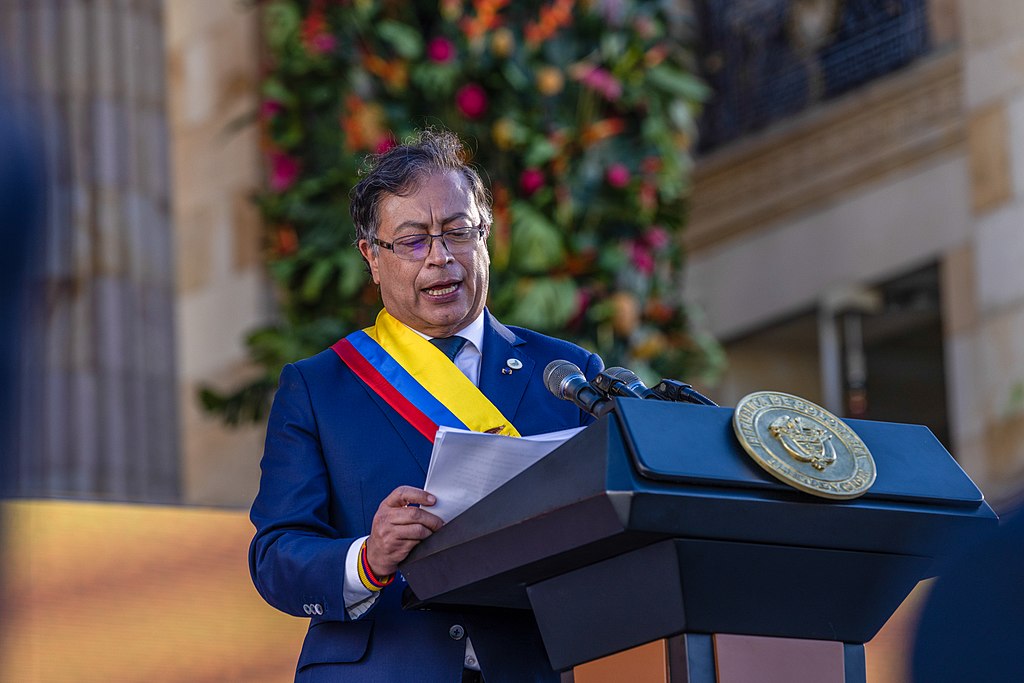
Tensions between Colombia and Ecuador have reached a breaking point after Colombia announced 100% retaliatory tariffs on Ecuadorian imports, intensifying an ongoing trade dispute between two ideologically divided governments. Colombian Trade Minister Diana Morales confirmed the decision, stating that all diplomatic channels had been exhausted and that matching Ecuador's recently imposed duties was now unavoidable.
The conflict traces back to January when Ecuadorian President Daniel Noboa, a close ally of U.S. President Donald Trump, first levied tariffs against Colombia. Noboa cited insufficient cooperation on border security and the continued flow of cocaine across their shared jungle and mountain frontier. Colombia's leftist President Gustavo Petro responded in kind, setting off a cycle of escalating trade penalties that has steadily worsened bilateral relations between the two South American nations.
The economic stakes are significant. Colombia exported approximately $1.8 billion worth of goods to Ecuador in 2025, according to national statistics data. Beyond tariffs, Colombia has already suspended energy exports to Ecuador, a critical supply that the country heavily depends on during dry seasons when hydroelectric output drops. Ecuador also relies on Colombia for essential goods including medicines and agricultural pesticides, making the trade breakdown potentially damaging to everyday Ecuadorians.
Diplomatic relations have deteriorated further following a deadly border incident last month in which 14 people were killed in explosions on Colombian soil during an Ecuadorian security operation. Ecuador denied crossing the border and said it was investigating how its explosives ended up on Colombian territory. In response to ongoing tensions, President Petro recalled Colombia's ambassador to Quito and announced that the next cabinet meeting would be held near the Ecuadorian border, a symbolic gesture underscoring the gravity of the standoff.
With no resolution in sight, the Colombia-Ecuador trade war continues to threaten regional stability and economic cooperation across South America.







