


 Meta Says States Seek $1.4 Trillion in Penalties Over Teen Social Media Addiction Lawsuit
  Ukraine, Europe Launch Freyja Missile Shield to Strengthen Air Defense Against Russia
  Iranian Missile Strike on UAE Oil Tankers Kills Indian Crew Member in Strait of Hormuz
  Iran Says It Closes Strait of Hormuz After Warning Shot at Vessel
  Sara Duterte Impeachment Trial Opens, Putting 2028 Philippine Election in Focus
  Trump, Canada Reach Gordie Howe Bridge Deal Ahead of July 27 Opening
  DOJ Seeks Dismissal of Fraud Charges Against Gautam Adani in U.S. Court
  UK Sanctions 24 Russian-Linked Targets Over Cyberattacks and Election Interference
  Trump Administration Hands Over Key Evidence in Minnesota Immigration Shooting Investigations
  Texas Man Charged After Fatal Tesla Full Self-Driving Crash in Katy
  US Egg Producers Settle Price Manipulation Probe, Agree to Pay $3.3 Million and Donate 53 Million Eggs
  Minnesota Wildfires Spread as Governor Tim Walz Deploys National Guard
  Bayer Wins Major U.S. Supreme Court Roundup Lawsuit, Shares Surge
  Apple Sues OpenAI, Former Employees Over Alleged Trade Secret Theft
  Russia Launches Missile and Drone Attacks on Kyiv, Zaporizhzhia, and Kharkiv
  Venezuela Appoints Felix Plasencia to Lead Foreign Relations and Trade


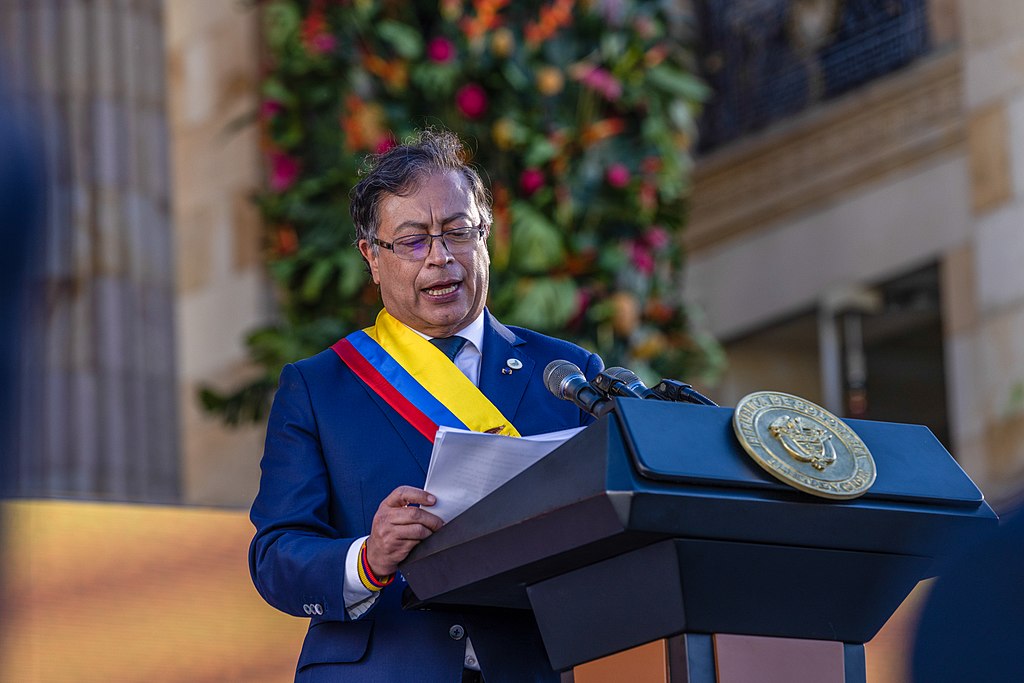
Colombia’s government has confirmed that senior leaders of the Clan del Golfo, the country’s largest illegal armed group, would serve prison time under any potential peace agreement, marking a significant shift from past accords with armed organizations. The announcement was made by Álvaro Jiménez, the government’s chief negotiator, who emphasized that incarceration is non-negotiable in the ongoing talks.
The negotiations, held in Qatar, are part of President Gustavo Petro’s ambitious “total peace” strategy aimed at ending more than six decades of internal armed conflict. Petro, Colombia’s first leftist president, will leave office in August 2026, and his administration is pushing to make progress in the talks “irreversible” before a new government takes over next year.
Jiménez told Reuters that while earlier proposals included alternative or reduced sentences for Clan del Golfo leaders—also known as the Gaitanist Army of Colombia—the current focus is firmly on prison terms. “There will be prison,” he said, adding that only the conditions, locations, and eventual length of sentences remain open for discussion. Decisions on sentencing duration would ultimately fall to Colombia’s judiciary or any transitional justice mechanisms established as part of the peace process.
This approach contrasts sharply with previous peace agreements in Colombia, including the 2016 accord with the FARC guerrillas and earlier deals with right-wing paramilitary groups. Those agreements allowed commanders who admitted responsibility for serious crimes such as massacres, forced disappearances, and sexual violence to receive reparative sentences capped at eight years.
According to Jiménez, the talks aim to disarm and demobilize approximately 9,000 Clan del Golfo members operating in around 130 municipalities across five northern provinces. While no bilateral ceasefire has been declared, arrest and extradition orders for top commanders may be suspended incrementally as negotiations advance. The two sides have already agreed to establish three temporary zones starting March 1 to concentrate fighters.
The government also plans to expand state presence in territories historically controlled by the group through social investment, coca crop substitution programs, and security measures designed to prevent rival criminal organizations from filling any power vacuum. The talks are being mediated by Qatar, Spain, Norway, and Switzerland, with invitations extended to the United States and the United Kingdom, underscoring the international importance of Colombia’s latest peace effort.







