


 SEC Investor Reform Validates Barry Silbert’s Tokenization Vision
  ICC Rules Duterte Fit to Stand Trial in Drug War Case
  Merz Warns of Extremism After AfD Gains Power in Saxony-Anhalt
  Russia Targets Danish Ukraine Suppliers in Sabotage Campaign
  Trump Buys Up to $25M in Meta Stock, Invests in SpaceX Debt
  Trump Plans Diesel Tax Relief as Fuel Prices Hit Record Highs
  San Francisco Halts New Data Center Construction With 45-Day Moratorium
  Illinois Delays Crypto Tax Law Until July 2027
  Israel Tightens Pilot Security After Flydubai Incident
  Pentagon Orders Iran Strike Preparations as Trump Weighs Military Action
  New York Declares Measles Disaster Emergency as Cases Surge
  Hegseth Praises USS Abraham Lincoln Crew After Record Iran War Deployment
  US Charges Maduro and Wife With Torture Conspiracy
  US Grants Aurora Five-Year Exemption for Self-Driving Trucks
  US-Led Coalition Targets Global Factory Overcapacity
  US Conducts Non-Nuclear Explosion Test to Boost Nuclear Detection


 Add as a preferred source on Google
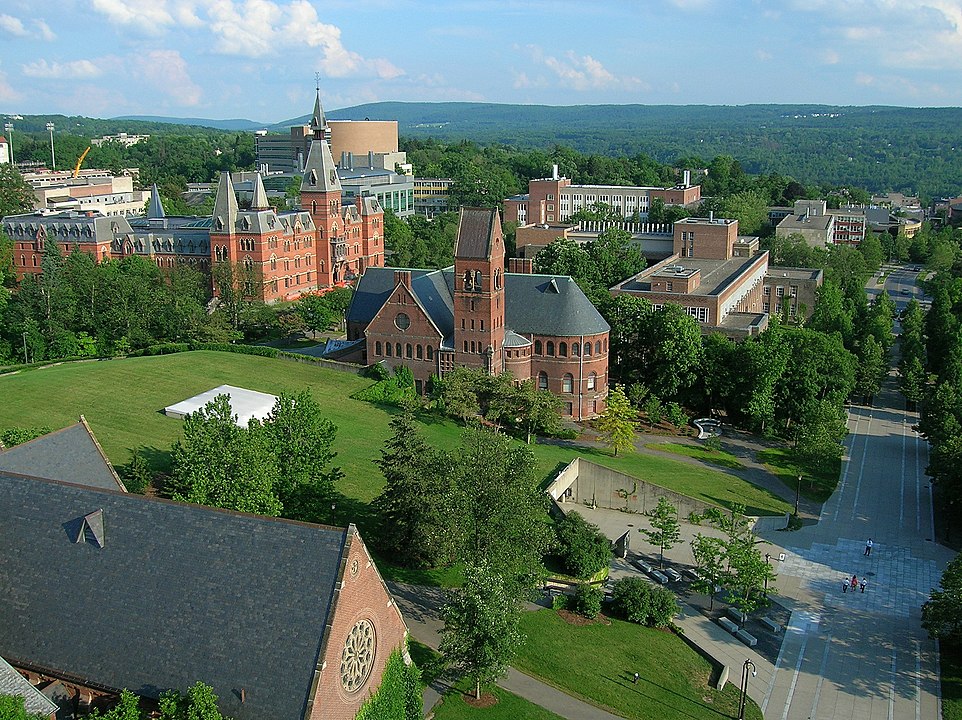
Cornell University has regained $250 million in federal grants after reaching an agreement with the Trump administration, marking the fifth such deal amid a broader conservative crackdown on higher education institutions. The Ivy League university, known for its leading agricultural programs, will pay $30 million to the U.S. government and invest another $30 million in agricultural research over the next three years.
Under the agreement, Cornell must also share undergraduate admissions data—including race, GPA, and standardized test scores—through 2028. This requirement ends federal investigations into alleged antisemitism and discrimination but does not impose any findings of civil rights violations. Cornell President Michael Kotlikoff emphasized that the university retains control over its hiring, admissions, and curriculum decisions without government interference.
The Trump administration, led by Education Secretary Linda McMahon, hailed the deal as a step toward curbing “divisive DEI policies” (diversity, equity, and inclusion) in academia. Earlier this year, the administration froze Cornell’s federal funding, citing insufficient action against antisemitism on campus. Kotlikoff expressed relief at the resolution, noting that the funding freeze had disrupted research, careers, and academic programs.
Higher education experts say the Cornell deal signals a weakening of the administration’s influence. Jon Fansmith of the American Council on Education said recent agreements show “increasing narrowness” in the government’s leverage over universities. The deal explicitly states that the U.S. cannot dictate academic speech or course content.
The Trump administration’s scrutiny of universities follows a wave of pro-Palestinian campus protests and ongoing criticism of DEI initiatives. Similar settlements have been reached with Columbia University and others, while Harvard continues to negotiate. Meanwhile, the administration’s proposal offering preferential federal funding to schools adopting certain policies has met widespread resistance from institutions defending academic freedom.







