


 US Grants Aurora Five-Year Exemption for Self-Driving Trucks
  Maduro, Wife May Face New US Torture Charges
  OpenAI, Anthropic Back Mandatory AI Breach Reporting in Australia
  San Francisco Halts New Data Center Construction With 45-Day Moratorium
  Lincoln University Students Sue Missouri Over Decades of Underfunding
  Saudi Arabia Probes Flydubai Cockpit Attack
  Trump Envoy Meets Sudan Army Chief in Egypt
  US Conducts Non-Nuclear Explosion Test to Boost Nuclear Detection
  US Waives $320M Egypt Military Aid Conditions After Iran War Role
  Merz Warns of Extremism After AfD Gains Power in Saxony-Anhalt
  France to Release 10 Million Barrels of Diesel to Ease Fuel Prices
  Trump Rallies in Texas as Republicans Face Tight Midterm Races
  Florida Seeks Tougher Meta Rules to Protect Young Users
  Houthis Strike Aden Airport as Yemen Fighting Escalates
  Mike Rogers Calls for End to US-Canada Tariff War
  Kalshi Wins CFTC Approval for S&P 500 Perpetual Futures
  US-Led Coalition Targets Global Factory Overcapacity


 Add as a preferred source on Google
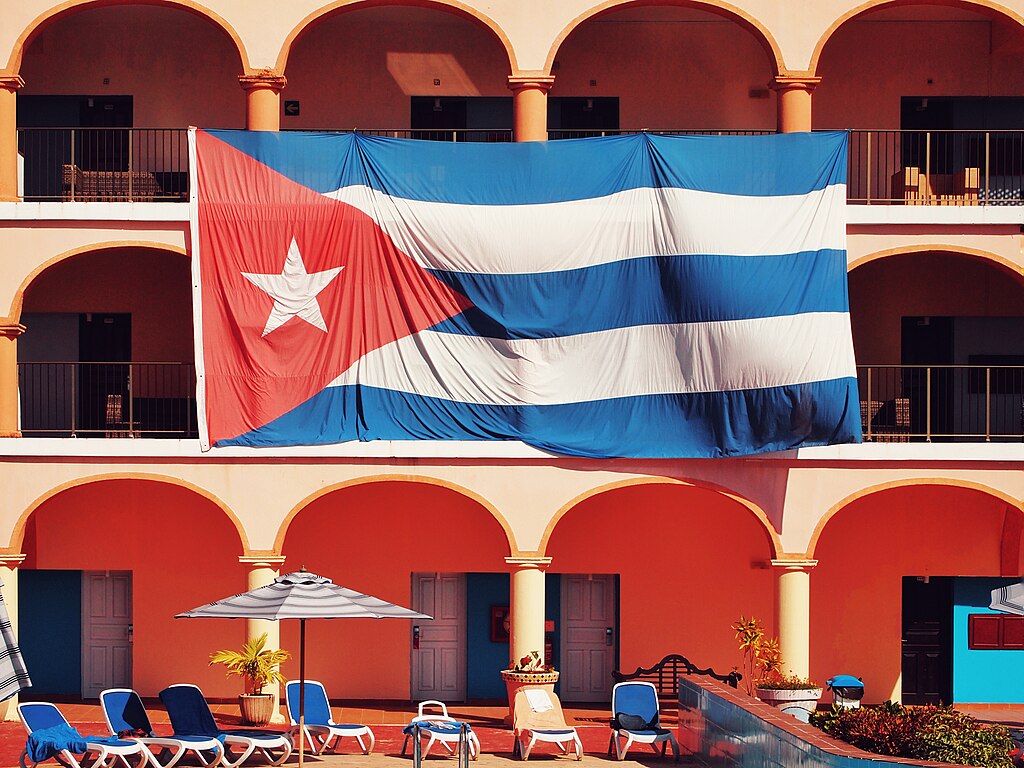
Cuba has announced plans to release 2,010 prisoners from its correctional facilities, marking the second prisoner amnesty the Caribbean nation has declared this year. The move comes as diplomatic conversations between Cuba and the United States continue to develop, signaling a potential shift in the bilateral relationship between the two countries.
The Cuban government's official newspaper, Granma, described the mass release as a "humanitarian and sovereign gesture," framing the decision as an expression of goodwill rather than political concession. This language suggests Havana is keen to maintain its stance of independence while still engaging in dialogue with Washington.
The announcement builds on a pattern of prisoner releases that Cuba has used as diplomatic currency in its ongoing negotiations with the U.S. By repeatedly offering amnesty to a significant number of inmates, the Cuban government appears to be demonstrating a degree of openness that observers and human rights advocates have long called for. Whether these releases include political detainees or individuals imprisoned for dissent remains a critical point of interest for international watchdogs and foreign governments monitoring the situation.
Mass prisoner releases of this scale can carry meaningful implications beyond their humanitarian value. They often serve as confidence-building measures in diplomatic negotiations, helping to ease tensions and create space for broader agreements on trade, travel, and political normalization.
Cuba's willingness to carry out multiple amnesties within a single year reflects the fluid and evolving nature of U.S.-Cuba relations. As talks between the two nations progress, the international community will be watching closely to see whether these gestures translate into lasting policy changes or represent more symbolic steps in a longer, more complex diplomatic process. For now, the release of over 2,000 prisoners stands as one of the most tangible developments in the ongoing engagement between Havana and Washington.







