


 SpaceX Updates Starlink Privacy Policy to Allow AI Training as xAI Merger Talks and IPO Loom
  TSMC Eyes 3nm Chip Production in Japan with $17 Billion Kumamoto Investment
  Alphabet’s Massive AI Spending Surge Signals Confidence in Google’s Growth Engine
  Tencent Shares Slide After WeChat Restricts YuanBao AI Promotional Links
  SoftBank and Intel Partner to Develop Next-Generation Memory Chips for AI Data Centers
  Global PC Makers Eye Chinese Memory Chip Suppliers Amid Ongoing Supply Crunch
  Nvidia CEO Jensen Huang Says AI Investment Boom Is Just Beginning as NVDA Shares Surge
  SpaceX Prioritizes Moon Mission Before Mars as Starship Development Accelerates
  Oracle Plans $45–$50 Billion Funding Push in 2026 to Expand Cloud and AI Infrastructure
  Sam Altman Reaffirms OpenAI’s Long-Term Commitment to NVIDIA Amid Chip Report
  SpaceX Pushes for Early Stock Index Inclusion Ahead of Potential Record-Breaking IPO
  Jensen Huang Urges Taiwan Suppliers to Boost AI Chip Production Amid Surging Demand
  Nvidia Confirms Major OpenAI Investment Amid AI Funding Race
  Sony Q3 Profit Jumps on Gaming and Image Sensors, Full-Year Outlook Raised
  Instagram Outage Disrupts Thousands of U.S. Users
  AMD Shares Slide Despite Earnings Beat as Cautious Revenue Outlook Weighs on Stock


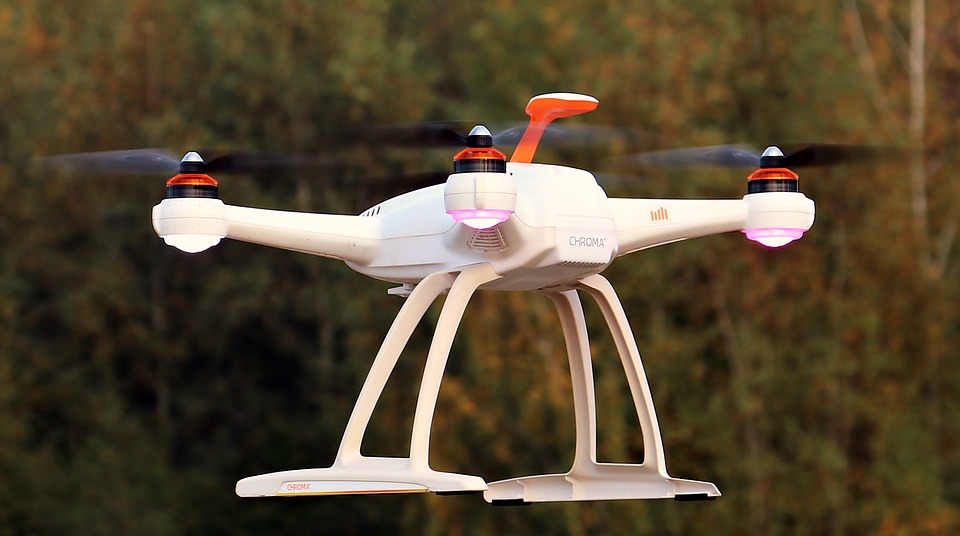
It has long been speculated that drones can be used for warfare, but a recent bombing of a Russian base in Syria and a naval base at Tartus proves that this concept is already a reality. These drones are not the high-tech, chrome weapons envisioned in sci-fi movies either. They were apparently cobbled together from spare parts that can be ordered off the internet.
Syrian rebels have actually been using drones as weapons in the region for some time, but this is the first time that the unmanned aerial vehicles (UAV) were used to attack Russia’s main base in the country, CBS News reports. All in all, 13 drones were used to launch the two attacks, which resulted in no casualties.
Seven of the drone swarms were shot down during the attack while the rest were forced to land via electronic jammer. Russia actually posted photos of the drones on its Facebook page, while also providing details on what happened along with speculations as to the culprits.
“Engineering decisions applied by terrorists while attacks on the Russian objects in Syria could be received from one of countries with high-technological capabilities of satellite navigation and remote dropping control of professionally assembled improvised explosive devices in assigned coordinates,” the post reads.
Apparently, the drone launched from the Idlib province, in a village called Muwazarra. This makes the situation tricky since the area is considered a “de-escalation zone,” after Russia made a deal with Turkey and Iran, CNBC reports. Russia is basically blaming the rebels located in the region, who happen to be receiving support from Turkey.
Turkish officials were already sent a complaint while Russian authorities conduct its investigation into the attack. While the Asian nation would certainly have advanced enough capabilities to provide technology that can be used to launch a drone swarm attack, it’s worth noting that the same can be said about any place with access to the internet.
The more frightening aspect of this development is how anyone can use drones to launch an attack. The technology to build them is readily accessible and the same goes for producing IEDs.













