


 EU Gives Crypto Platforms Three Months to Remove USDT Under MiCA Rules
  GSR Commits $100M to Hare Onchain Credit Vaults
  Nvidia-Backed Reflection AI Launches Beam Open-Weight Model
  Merz Warns of Extremism After AfD Gains Power in Saxony-Anhalt
  Kalshi Wins CFTC Approval for S&P 500 Perpetual Futures
  Europol Warns Bitcoin Wallets Face Quantum Computing Risk
  US Treasury Drops Crypto Wallet Tracking Plan
  US-Led Coalition Targets Global Factory Overcapacity
  Crypto Lobbying Hits $13M as Clarity Act Stalls
  Anthropic Expands Claude Access for Cyber Defense Teams
  Evernorth XRPN Nasdaq Listing Delayed to October 12
  US Grants Aurora Five-Year Exemption for Self-Driving Trucks
  Trump Opens Tax-Exempt Dyed Diesel Access as Fuel Prices Surge
  Zcash Privacy Demand Rises as AI Exposes Bitcoin Transactions
  Pentagon Launches Autonomous Warfare Command
  San Francisco Halts New Data Center Construction With 45-Day Moratorium
  TSMC Q3 Revenue Beats Estimates as AI Chip Demand Surges


 Add as a preferred source on Google
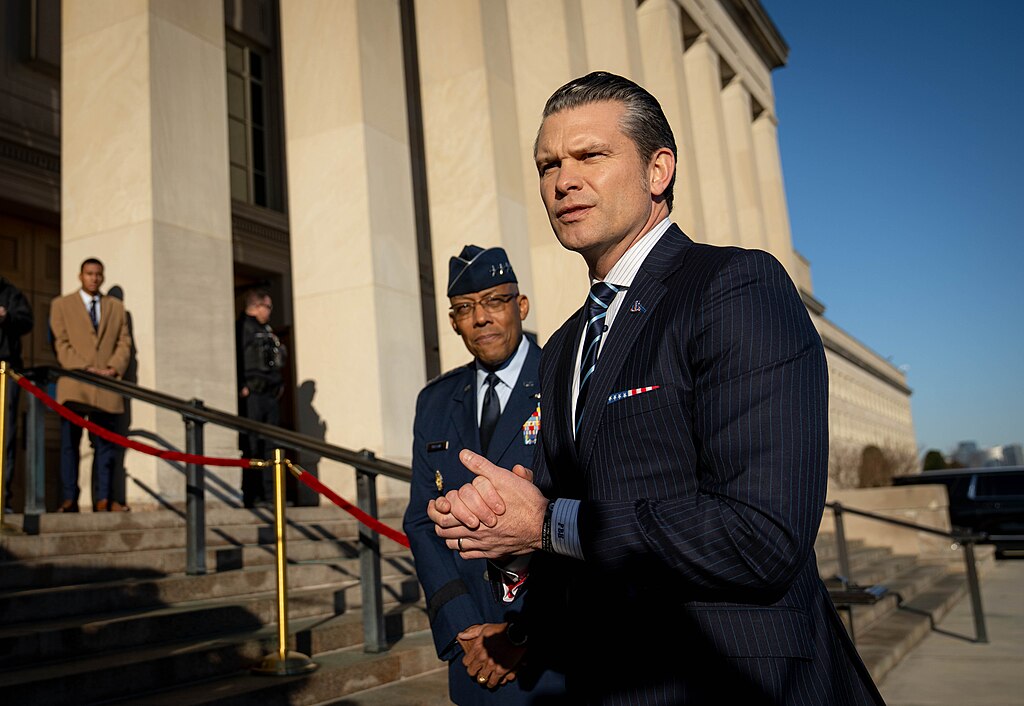
Major U.S. defense contractors are expected to remove Anthropic’s AI tools from their supply chains following a directive from the Trump administration, even though legal experts say the ban could face serious challenges in court. Companies that rely heavily on Pentagon contracts are likely to comply quickly in order to protect their access to the U.S. government’s trillion-dollar annual defense budget.
President Donald Trump announced a federal agency-wide ban on Anthropic last Friday after a weeks-long dispute with the company over safety restrictions placed on its Claude AI tools used by the military. The order includes a six-month phase-out period. Defense Secretary Pete Hegseth escalated the situation by declaring that Anthropic could be labeled a national security supply chain risk. He also stated that any contractor, supplier, or partner working with the U.S. military should immediately halt commercial activity with the company.
Anthropic has said it will challenge the ban in court, arguing that the Pentagon does not have the legal authority to prohibit its contractors from using Claude AI. Government contracting and technology attorneys have also raised concerns about the administration’s legal justification. According to legal experts, existing authorities may allow the Department of Defense to restrict the use of certain technologies in government-related work, but they likely do not extend to banning contractors from using those technologies in their broader business operations.
Despite the legal uncertainty, defense companies are already signaling compliance. Lockheed Martin said it would follow the directives issued by the president and the Department of Defense. The company emphasized that it does not rely on a single AI vendor for its projects and expects minimal disruption to its operations.
Other major defense contractors, including General Dynamics, RTX (formerly Raytheon Technologies), and L3Harris, declined to comment on how they plan to respond. Analysts say contractors typically move quickly to align with government directives, particularly when lucrative defense contracts are involved.
Legal specialists note that the Defense Department could attempt to use its Supply Chain Risk Authority to block contractors from using Anthropic technology in government-related projects. However, that authority would not necessarily extend to banning the company’s tools across all commercial activities. Some experts also question whether the Pentagon has met the legal requirements needed to designate Anthropic as a supply chain threat.
Under the Federal Acquisition Supply Chain Security Act, agencies must follow several steps before imposing such restrictions, including notifying Congress and giving the affected company an opportunity to respond. Critics argue that the government has not publicly demonstrated that it followed those procedures.
The dispute highlights how quickly defense contractors adapt to federal policy shifts. Similar compliance occurred last year when companies removed references to diversity, equity, and inclusion initiatives after a Trump executive order required government contractors to certify that their programs did not violate federal anti-discrimination laws.
Experts say that regardless of whether the ban ultimately survives legal scrutiny, the immediate damage to Anthropic’s position in the defense sector could already be significant. Companies that depend on Pentagon funding are unlikely to risk noncompliance, even if the administration’s legal authority is uncertain.







