


 Minnesota Wildfires Spread as Governor Tim Walz Deploys National Guard
  Trump, Canada Reach Gordie Howe Bridge Deal Ahead of July 27 Opening
  Trump Administration Bars U.S. Travelers From Congo Flights Amid Ebola Outbreak
  Brazil Court Bars Flavio Bolsonaro From Visiting Jair Bolsonaro Ahead of Election
  Texas Man Charged After Fatal Tesla Full Self-Driving Crash in Katy
  US Judge Seeks Explanation for DOJ’s Decision to Drop Gautam Adani Bribery Case
  DOJ Orders Crackdown on Birth Tourism After Supreme Court Upholds Birthright Citizenship
  Bayer Wins Major U.S. Supreme Court Roundup Lawsuit, Shares Surge
  Meta Says States Seek $1.4 Trillion in Penalties Over Teen Social Media Addiction Lawsuit
  UK Sanctions 24 Russian-Linked Targets Over Cyberattacks and Election Interference
  Paramount-Warner Bros. Discovery Merger Faces Lawsuit From 12 States
  Western Allies Push for More Air Defenses for Ukraine at Paris Summit
  UN Says Hamas Disrupted Gaza Aid Distribution, Group Denies Allegations
  Ukraine, Europe Launch Freyja Missile Shield to Strengthen Air Defense Against Russia
  Australia Sues Amazon Over Prime Video Ads and Subscription Terms


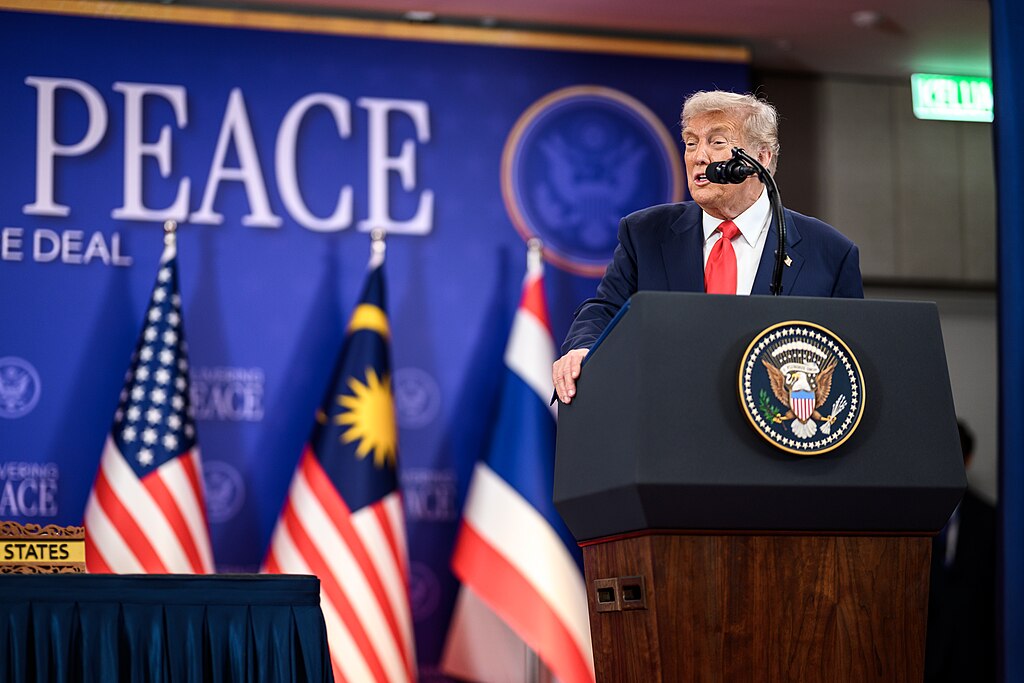
Five Democratic-led states have filed a lawsuit against the Trump administration after the U.S. Department of Health and Human Services (HHS) froze their access to more than $10 billion in federal childcare and family assistance funds. The legal challenge, filed Thursday in federal court in Manhattan by California, Colorado, Illinois, Minnesota, and New York, argues that the funding freeze is unlawful, politically motivated, and harmful to low-income families who rely on federal support programs.
The dispute began after HHS announced on Tuesday that it had restricted the states’ access to federal funds pending further review, citing concerns over alleged fraud and misuse in state-administered welfare systems. The frozen funding includes approximately $7.3 billion from the Temporary Assistance for Needy Families (TANF) program, nearly $2.4 billion from the Child Care and Development Fund, and an additional $869 million in social services block grants. These programs are overseen by the Administration for Children and Families, a division within HHS.
According to the agency, the decision was based on what it described as “widespread fraud” and the potential that individuals who are not U.S. citizens or lawful permanent residents may have improperly received benefits. The action follows a similar move a week earlier, when HHS froze $185 million in annual childcare funding allocated to Minnesota amid allegations of fraud in the state’s social services programs.
Minnesota Governor Tim Walz recently announced he will not seek a third term, stating that he intends to focus on addressing the fraud controversy. Meanwhile, Democratic leaders across the affected states have strongly criticized the funding freeze. New York Governor Kathy Hochul labeled the move “vindictive,” while Illinois Governor JB Pritzker described it as “wrong and cruel.”
New York Attorney General Letitia James, who is leading the lawsuit, said the administration is using essential family assistance funds as a political weapon. The lawsuit claims HHS failed to provide credible evidence supporting its fraud allegations, lacked legal authority to halt congressionally approved funding, and violated the U.S. Constitution’s separation of powers by encroaching on Congress’s control over federal spending.







