


 JPMorgan Lifts Gold Price Forecast to $6,300 by End-2026 on Strong Central Bank and Investor Demand
  Bank of England Expected to Hold Interest Rates at 3.75% as Inflation Remains Elevated
  Federal Reserve Faces Subpoena Delay Amid Investigation Into Chair Jerome Powell
  U.S. Stock Futures Slide as Tech Rout Deepens on Amazon Capex Shock
  BTC Flat at $89,300 Despite $1.02B ETF Exodus — Buy the Dip Toward $107K?
  Gold and Silver Prices Slide as Dollar Strength and Easing Tensions Weigh on Metals
  China Extends Gold Buying Streak as Reserves Surge Despite Volatile Prices
  Japanese Pharmaceutical Stocks Slide as TrumpRx.gov Launch Sparks Market Concerns
  South Korea Assures U.S. on Trade Deal Commitments Amid Tariff Concerns
  Global Markets Slide as AI, Crypto, and Precious Metals Face Heightened Volatility
  BOJ Holds Interest Rates Steady, Upgrades Growth and Inflation Outlook for Japan
  Nasdaq Proposes Fast-Track Rule to Accelerate Index Inclusion for Major New Listings


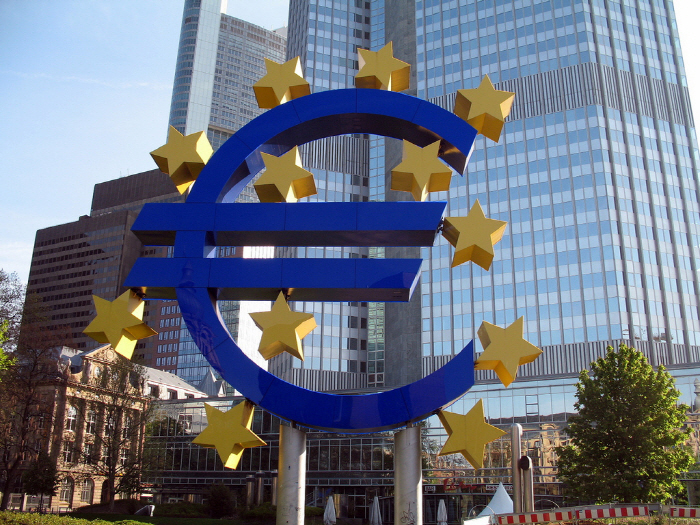
At the 2025 ECB Forum in Sintra, global central bankers tackled how monetary policy must adapt to rising geopolitical tensions and structural economic changes. Under the theme “Adapting to change: macroeconomic shifts and policy responses,” key discussions focused on labour market rigidity, trade fragmentation, and growing inflation pressures.
Trade geopolitics dominated much of the dialogue. As globalization gives way to resilience-focused strategies, Europe faces intensified competition from China. China’s push for domestic production—especially in tech and innovation—has reduced demand for European exports. UBS Global Research noted Europe’s heavy reliance on “geopolitically distant” suppliers, including China, increases exposure to supply disruptions and inflation volatility.
These shifts complicate central banks’ efforts to balance inflation control with economic growth. Reshoring and diversification strategies may enhance resilience but raise long-term costs.
Europe’s labour markets were also scrutinized. Although often considered rigid, Eurozone unemployment was just 6.3% in May—near historic lows. UBS analysts said immigration has bolstered job creation, and some forum participants argued that limited funding for start-ups is a bigger structural issue than labour laws.
Divergent inflation and wage dynamics across Eurozone countries further complicate monetary responses. In 2022, inflation gaps reached 18.6 percentage points between countries like Estonia and France. These disparities make unified policy tools—like the ECB’s Transmission Protection Instrument—less effective, prompting calls for stronger fiscal and structural measures.
The forum also addressed the rise of non-bank financial intermediaries (NBFIs). While participants supported tighter EU regulation, they opposed granting NBFIs direct access to ECB funding due to risks to traditional banks.
ECB Vice-President Luis de Guindos warned against excessive euro appreciation, while President Christine Lagarde stressed that exchange rates will inform future projections. Closing the forum, Lagarde emphasized the ECB's updated strategy aims to maintain price stability amid evolving global shocks.













