


 Trump Endorses Japan’s Sanae Takaichi Ahead of Crucial Election Amid Market and China Tensions
  Trump Signs “America First Arms Transfer Strategy” to Prioritize U.S. Weapons Sales
  Ohio Man Indicted for Alleged Threat Against Vice President JD Vance, Faces Additional Federal Charges
  Trump Backs Nexstar–Tegna Merger Amid Shifting U.S. Media Landscape
  South Korea Assures U.S. on Trade Deal Commitments Amid Tariff Concerns
  Nighttime Shelling Causes Serious Damage in Russia’s Belgorod Region Near Ukraine Border
  U.S.-India Trade Framework Signals Major Shift in Tariffs, Energy, and Supply Chains
  China Warns US Arms Sales to Taiwan Could Disrupt Trump’s Planned Visit
  Japan Election 2026: Sanae Takaichi Poised for Landslide Win Despite Record Snowfall
  Trump Says “Very Good Talks” Underway on Russia-Ukraine War as Peace Efforts Continue
  U.S. Lawmakers to Review Unredacted Jeffrey Epstein DOJ Files Starting Monday
  TrumpRx Website Launches to Offer Discounted Prescription Drugs for Cash-Paying Americans
  India–U.S. Interim Trade Pact Cuts Auto Tariffs but Leaves Tesla Out
  Trump Signs Executive Order Threatening 25% Tariffs on Countries Trading With Iran
  Trump Allegedly Sought Airport, Penn Station Renaming in Exchange for Hudson River Tunnel Funding
  U.S. Announces Additional $6 Million in Humanitarian Aid to Cuba Amid Oil Sanctions and Fuel Shortages
  Norway Opens Corruption Probe Into Former PM and Nobel Committee Chair Thorbjoern Jagland Over Epstein Links


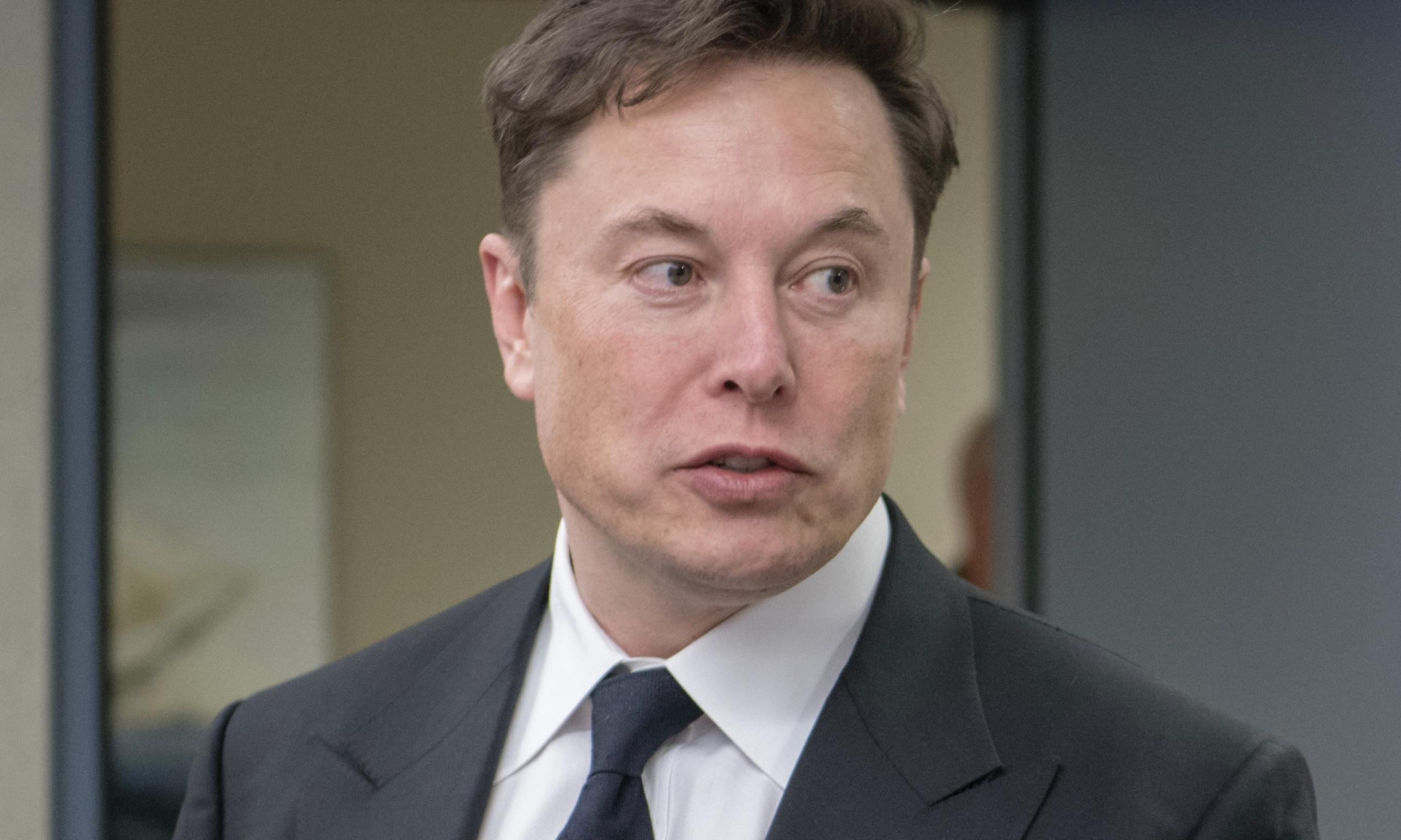
In a bold move to streamline federal operations, tech entrepreneur Elon Musk and biotech investor Vivek Ramaswamy have proposed terminating remote work privileges for federal employees. This initiative aims to reduce government size and enhance efficiency.
Appointed by President-elect Donald Trump to lead the newly established Department of Government Efficiency (DOGE), Musk and Ramaswamy outlined their strategy in a Wall Street Journal op-ed. They argued that mandating a full-time return to the office would prompt voluntary resignations, thereby downsizing the federal workforce.
"Requiring federal employees to come to the office five days a week would result in a wave of voluntary terminations that we welcome," they wrote. "If federal employees don't want to show up, American taxpayers shouldn't pay them for the Covid-era privilege of staying home."
The proposal has sparked a spectrum of reactions. Supporters assert that ending remote work will enhance accountability and productivity within federal agencies. Critics, however, contend that such a mandate could lead to the loss of skilled personnel and disrupt essential services.
Union leaders have expressed strong opposition. Jacqueline Simon, policy director for the American Federation of Government Employees, stated, "These kinds of broadsides from Ramaswamy and Elon Musk show a really tremendous level of ignorance about the operations of the federal government."
On social media, the debate is equally divided. Twitter user @PatriotGuardians expressed support, tweeting, "Finally, a move to cut government waste. #EndRemoteWork." Conversely, @JusticeForAll commented, "This is a shortsighted policy that will harm public services. #SupportFederalWorkers."
The Office of Management and Budget reports that approximately 1.1 million federal employees, nearly half of the civilian workforce, are eligible for telework.
Musk and Ramaswamy's plan includes identifying the minimum number of employees required for agencies to perform their constitutionally permissible and statutory functions. They also propose relocating federal agencies out of the Washington area to further reduce bureaucracy.
As the incoming administration prepares to implement these changes, the impact on federal operations and employee morale remains uncertain. The proposal is expected to face legal challenges and resistance from federal employee unions.
The debate underscores the broader discussion about the future of work in the post-pandemic era and the balance between efficiency and employee flexibility within government operations.













