


 Oracle Shares Fall as New Mexico AI Data Center Faces Power Delays
  FDA Approves Mirum’s Atebrioz for Rare Bone Disorder FOP
  OpenAI to Preview GPT-6 Cyber AI Model for Cybersecurity
  U.S. Dollar Hits Two-Month High as Oil, Treasury Yields Surge
  Trump, Xi Focus on Trade and AI at White House Summit
  Former OpenAI Data Center Chief Chris Malone Joins Nvidia
  Wall Street Ends Flat as Oil, Treasury Yields and Fed Jitters Rattle Markets
  US Appeals Court Upholds Anthropic AI Supply Chain Ban
  China Agrees to Buy 20 Million Tons of U.S. Coal
  Oil Prices Fall on U.S.-Iran Hormuz Deal Hopes
  TikTok Reaches $100 Million Alabama Settlement Over Child Safety Claims
  Meta Unveils Muse Charm AI Device, Expands Smart Glasses Lineup
  China Consumer Stocks Near Decade Lows as AI Shares Surge
  Costco Revenue Beats Estimates as Inflation Drives Bulk Shopping
  OpenAI, Anthropic CEOs Summoned to Australia AI Inquiry
  Japanese Yen Rebounds as Trump Flags Currency Weakness
  Canadian Dollar Faces Pressure as Fed-BoC Policy Gap Widens


 Add as a preferred source on Google
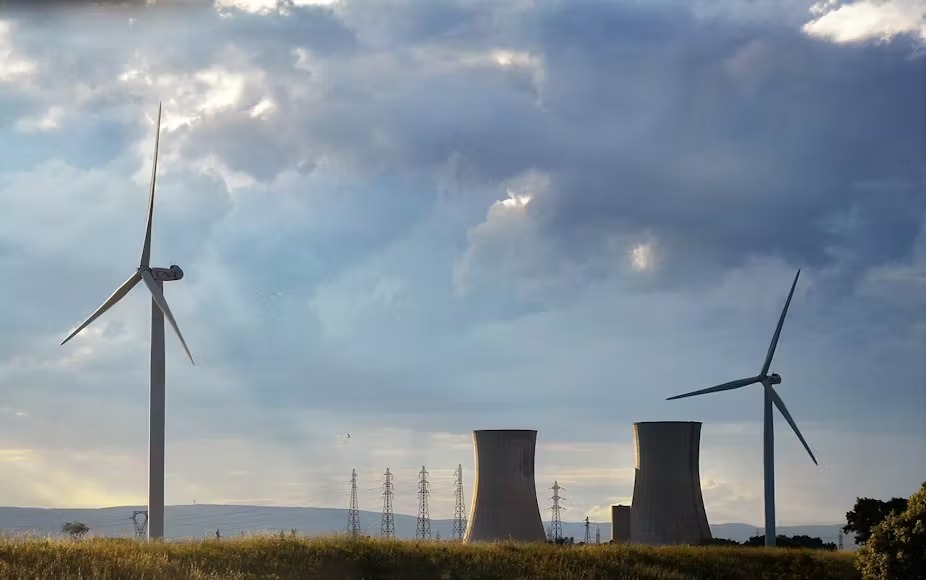
Europe’s rapid expansion of AI data centres could increase demand for new nuclear power capacity as technology companies seek reliable, low-carbon electricity, according to J.P. Morgan analysts.
European data centre electricity consumption is projected to climb from about 70 terawatt-hours (TWh) today to roughly 115 TWh by 2030, based on European Commission estimates cited by J.P. Morgan. AI data centres require continuous, energy-intensive computing power, potentially making nuclear energy an important complement to intermittent renewable generation.
J.P. Morgan expects European data centres to consume an additional 89 TWh annually by 2030 compared with 2023 levels. Iberia and the Nordic countries are forecast to represent around 45% of that increase. Europe’s announced data centre pipeline reached 66.1 gigawatts at the end of 2025, far exceeding the 10.8 GW currently operating.
Major technology companies are already demonstrating their willingness to pay more for dependable nuclear electricity. Google recently signed a 22-year power purchase agreement with Fortum for nuclear generation in Finland and agreed to explore potential new capacity. The contract is estimated to carry a roughly 60% premium over forward electricity prices.
Similar nuclear energy agreements involving Microsoft, Meta, Amazon and Google have already emerged in the United States, highlighting growing demand from the technology sector.
Small modular reactors, or SMRs, could eventually help meet Europe’s rising AI electricity requirements. Their smaller size could allow nuclear capacity to be located closer to data centres and industrial users, easing pressure on transmission grids. Europe currently has no commercial SMRs operating, with initial projects targeted for the early 2030s.
Europe’s nuclear policy environment is also becoming more supportive. Several countries have extended existing reactor lifetimes or backed new projects. The European Commission estimates about €241 billion of investment will be needed through 2050 for new large-scale reactors and lifetime extensions.
France and the Nordics could see particularly strong data centre growth because of competitive electricity prices and existing power surpluses. Increased competition for electricity could lift regional prices, potentially improving the economics of additional nuclear generation as Europe’s AI infrastructure expands.







