


 TSMC Q3 Revenue Beats Estimates as AI Chip Demand Surges
  Israel Tightens Pilot Security After Flydubai Incident
  Crypto Rallies as CLARITY Act Failure Opens Door to Faster SEC Rules
  Circle Urges EU to Revise MiCA Stablecoin Rules
  Florida Seeks Tougher Meta Rules to Protect Young Users
  Apple Names Steve Smith M&A Chief in Leadership Shakeup
  OpenAI, Anthropic Back Mandatory AI Breach Reporting in Australia
  Illinois Delays Crypto Tax Law Until July 2027
  EU Gives Crypto Platforms Three Months to Remove USDT Under MiCA Rules
  OpenAI Annualized Revenue Hits $50 Billion, Below Earlier Estimates
  US DOT Ends Airline Privacy Review Without Enforcement
  US Suspends Microsoft, Adobe From Green Card Program
  Kalshi Wins CFTC Approval for S&P 500 Perpetual Futures
  Trump Plans Diesel Tax Relief as Fuel Prices Hit Record Highs
  TikTok Accused of Testing Fake Safety Tools on Users
  Broadcom, Oracle and SpaceX Seek Billions in Private Debt for AI Expansion


 Add as a preferred source on Google
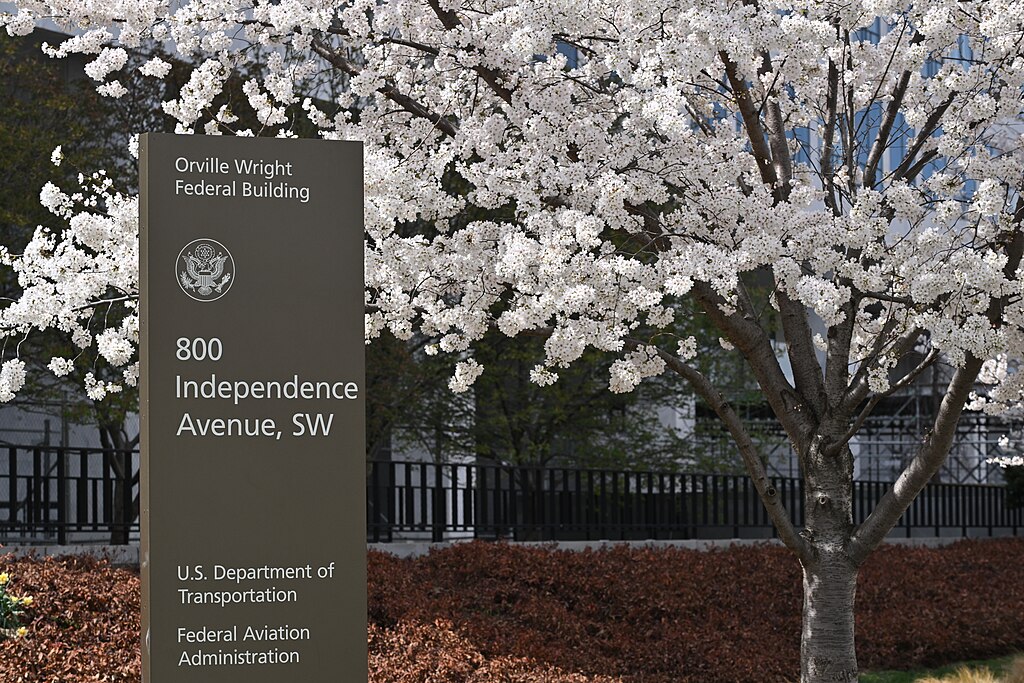
The Federal Aviation Administration announced late Sunday that it will end its mandated cuts on domestic flights at 40 major U.S. airports starting at 6 a.m. ET Monday. The decision comes as air traffic control staffing concerns continue to ease following the end of the federal government shutdown. FAA Administrator Bryan Bedford said the agency’s assessment shows a “steady decline in staffing concerns,” allowing regulators to remove earlier restrictions placed on commercial flights, space launches, and general aviation activity.
Airlines anticipated the policy change, and several major carriers told Reuters they had not canceled flights for Monday nor planned any cancellations. Despite the FAA’s earlier orders, airlines had not been consistently adhering to the required flight reduction levels. On Friday, the agency lowered its mandatory cutback from 6% to 3%, yet carriers continued operating near-normal schedules. Data from aviation analytics firm Cirium showed that airlines canceled just 0.25% of flights at the affected airports on Sunday—an even lower rate than typical operational days. Across the country, cancellations remained low at 0.36%, signaling a rapid return to normal operations.
However, the FAA confirmed it is aware of airlines’ non-compliance with the emergency mandate and is evaluating potential enforcement actions. The order allows for fines of up to $75,000 for each flight operated above the mandated limits.
The initial flight reduction policy was implemented to ease strain on the system caused by a severe shortage of air traffic controllers during the shutdown, when many employees stopped reporting to work without pay. The FAA is currently short about 3,500 controllers, forcing many to work mandatory overtime and extended schedules even before the shutdown intensified staffing gaps.
The 43-day government shutdown, which ended last week, triggered tens of thousands of delays and cancellations beginning October 1. By Friday, FAA employees began receiving back pay amounting to roughly 70% of what they are owed, marking the first step toward stabilizing the workforce and restoring full air traffic operations.
This easing of restrictions is expected to support smoother travel nationwide as airlines resume regular flight schedules and the FAA continues efforts to rebuild staffing capacity.







