


 Trump Weighs FBI Probe Into Nolan Wells’ Death
  CFTC Moves to Set New Crypto Rules After CLARITY Act Failure
  Polkadot Launches dotUSD Stablecoin as DOT Price Falls
  Trump Orders Firing Squad Execution for Fort Hood Gunman
  Apple Names Steve Smith M&A Chief in Leadership Shakeup
  US Suspends Microsoft, Adobe From Green Card Program
  Trump Opens Tax-Exempt Dyed Diesel Access as Fuel Prices Surge
  San Francisco Halts New Data Center Construction With 45-Day Moratorium
  US Treasury Drops Crypto Wallet Tracking Plan
  OpenAI, Anthropic Back Mandatory AI Breach Reporting in Australia
  US Government Moves $1 Billion in Bitcoin Amid Sale Speculation
  Trump Plans Diesel Tax Relief as Fuel Prices Hit Record Highs
  US DOT Ends Airline Privacy Review Without Enforcement
  Moscow Exchange to Launch Crypto Trading on December 1
  Litecoin Marks 15 Years as Grayscale Backs LTC ETF Push
  Elon Musk Accuses Indian Telecom Giants of Blocking Starlink Launch


 Add as a preferred source on Google
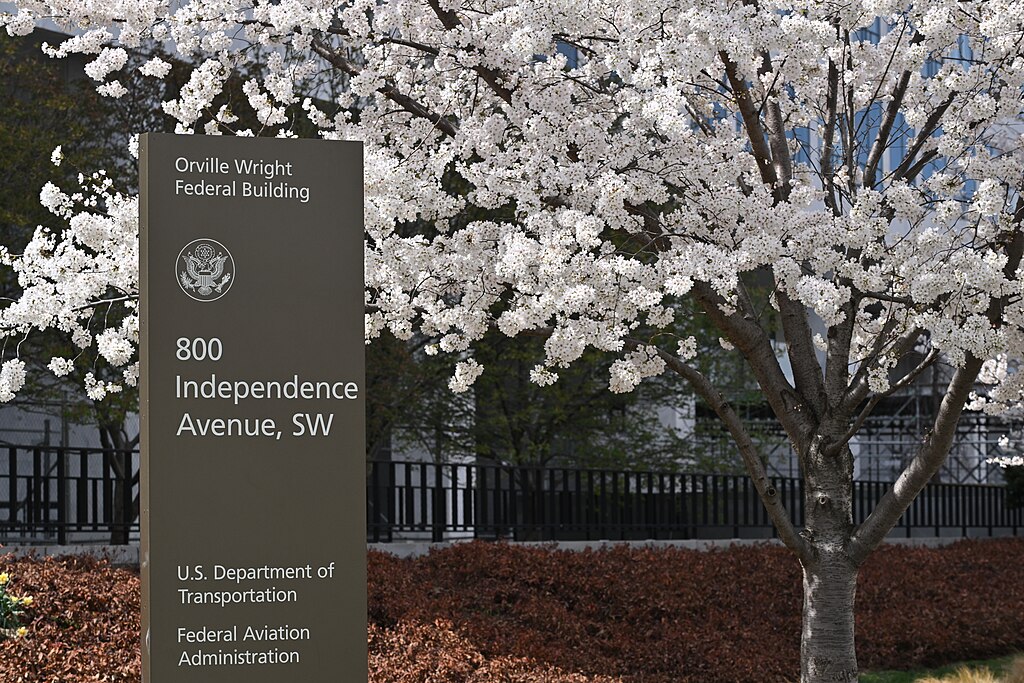
The Federal Aviation Administration (FAA) announced on Monday that it plans to open a new aviation safety office as part of a broader strategy aimed at strengthening safety oversight, improving workforce hiring and training, and proactively identifying potential risks before accidents occur. The initiative is outlined in a new strategic framework called Flight Plan 2026, which signals a significant shift toward a more integrated and data-driven approach to aviation safety in the United States.
FAA Administrator Bryan Bedford introduced the plan, emphasizing the agency’s commitment to modernizing how safety risks are identified and managed across all levels of the organization. A central element of Flight Plan 2026 is the creation of a dedicated Safety Integration Office, which will oversee the implementation of an FAA-wide Safety Management System. This system is designed to ensure that safety considerations are consistently embedded into decision-making processes rather than addressed only after incidents occur.
According to the FAA, the new approach will focus on safety risk management by developing comprehensive risk heat maps that highlight areas of concern across aviation operations. These tools will allow the agency to better anticipate hazards, allocate resources more effectively, and take preventive action before safety issues escalate. The FAA also plans to increase transparency and accountability throughout the organization, ensuring that safety data and risk assessments are shared more openly among departments.
Improving hiring and training is another key pillar of Flight Plan 2026. The FAA aims to address long-standing staffing challenges by streamlining recruitment processes, enhancing training programs, and ensuring employees have the skills needed to adapt to evolving aviation technologies and operational demands. By strengthening its workforce, the agency hopes to maintain high safety standards amid increasing air traffic and industry complexity.
The FAA’s announcement comes at a time when aviation safety is under heightened public and industry scrutiny. By proactively investing in risk management, organizational accountability, and workforce development, the agency is positioning itself to better prevent incidents rather than simply respond to them. Flight Plan 2026 reflects a long-term commitment to safeguarding passengers, crews, and the broader aviation system while reinforcing public confidence in air travel safety.







