


 Eli Lilly Eyes AtaiBeckley Acquisition to Expand Psychedelic Mental Health Pipeline
  US Grants Aurora Five-Year Exemption for Self-Driving Trucks
  San Francisco Halts New Data Center Construction With 45-Day Moratorium
  Trump Plans Diesel Tax Relief as Fuel Prices Hit Record Highs
  Hims & Hers Shares Fall as GLP-1 Costs Widen Q2 Loss
  Litecoin Marks 15 Years as Grayscale Backs LTC ETF Push
  U.S. Issues Cuba Health Alert as Illnesses Rise
  New Mexico Measles Outbreak Cost Reached $5.4 Million, Study Finds
  US Waives $320M Egypt Military Aid Conditions After Iran War Role
  Illinois Delays Crypto Tax Law Until July 2027
  Mexico Bars Dual Citizens From Presidential Races Starting in 2028
  Moscow Exchange to Launch Crypto Trading on December 1
  Samsung Q3 Profit Hits Record High on AI Memory Demand
  US Conducts Non-Nuclear Explosion Test to Boost Nuclear Detection
  Novartis M&A Strategy Faces Investor Scrutiny After Drug Setbacks
  Oracle Uses Trucked Natural Gas to Power AI Data Centers Amid Pipeline Delays


 Add as a preferred source on Google
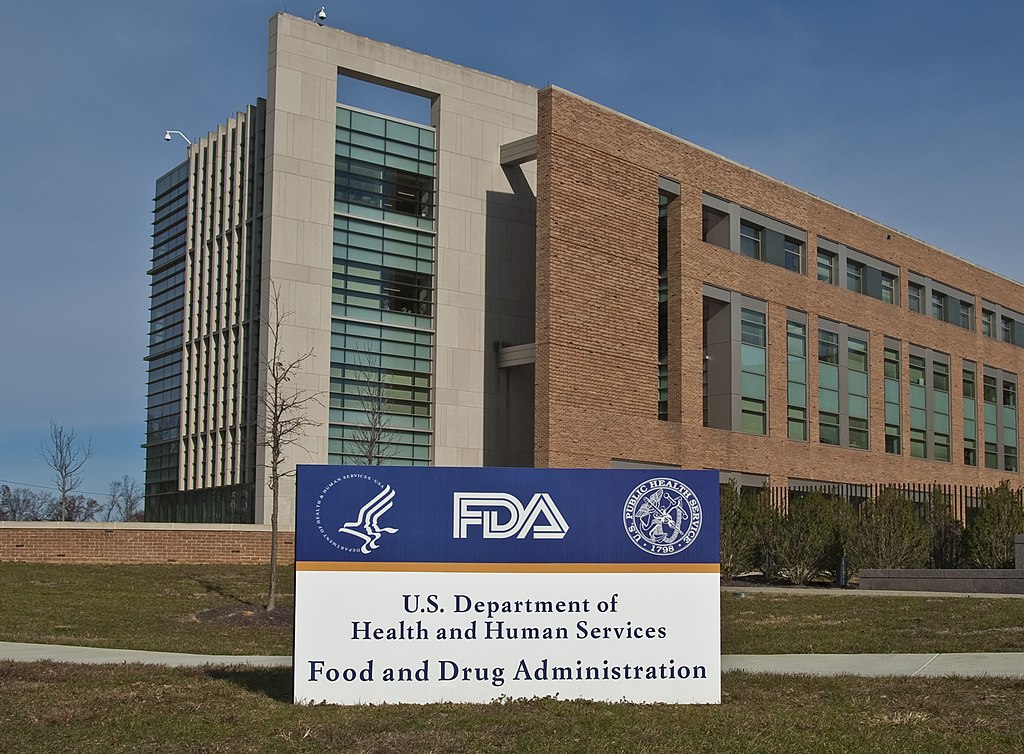
Agios Pharmaceuticals has announced a major regulatory milestone with the U.S. Food and Drug Administration approving mitapivat for the treatment of anemia in adults with alpha- or beta-thalassemia. The approval represents a significant advancement for patients living with these inherited blood disorders, many of whom face lifelong complications related to chronic anemia and frequent blood transfusions.
Mitapivat, an oral therapy developed by Agios, is designed to address the underlying metabolic pathways involved in red blood cell function. The FDA’s decision was supported by strong data from Phase 3 clinical trials, which demonstrated that the treatment significantly improved hemoglobin levels in adult patients with alpha- or beta-thalassemia. In addition to increasing hemoglobin, the trials showed a meaningful reduction in transfusion burden, an outcome that could greatly improve quality of life for patients who currently depend on regular transfusions.
According to the company, mitapivat is expected to become available to eligible patients in late January 2026. This timeline reflects the need to implement a Risk Evaluation and Mitigation Strategy (REMS) program, a requirement set by the FDA to ensure the safe use of the medication. REMS programs are typically mandated when specific safety risks need to be carefully managed through monitoring, education, or controlled distribution.
While the overall clinical trial results were positive, Agios also disclosed safety findings observed during development. Five patients participating in the trials experienced adverse reactions that suggested hepatocellular injury. These cases were closely evaluated and factored into the FDA’s benefit-risk assessment, ultimately leading to the approval with additional safety oversight through the REMS program.
The FDA approval of mitapivat marks an important step forward in the treatment landscape for thalassemia-related anemia. As the first therapy of its kind approved for both alpha- and beta-thalassemia in adults, mitapivat offers new hope for reducing disease burden and improving long-term outcomes. With its upcoming launch and safety measures in place, the therapy is poised to play a key role in addressing unmet needs within the thalassemia community.







