


 France Battles Mediterranean Wildfires as Heatwave Fuels Fire Risk
  Nvidia Invests $500M in Firmus Technologies Ahead of Planned ASX IPO
  Takeda Hit With $885M Verdict Over Amitiza Generic Drug Delay Scheme
  Apple Tests China's CXMT Memory Chips as DRAM Maker Gains Global Market Share
  Apple Intelligence Cleared for China as Alibaba and Baidu AI Power iPhone Features
  Apple Sues OpenAI, Former Employees Over Alleged Trade Secret Theft
  Supreme Court Asked to Reinstate Mail-Order Access to Abortion Pill Mifepristone
  SK Hynix Soars 13% in Nasdaq Debut After Record $26.5 Billion IPO
  Australia Flags Child Safety Gaps at Apple, Meta, Google Over Online Sexual Extortion
  SK Hynix’s $28B U.S. IPO Draws Strong Demand as AI Chip Boom Fuels Investor Interest
  CDC Monitors U.S. Travelers After Hantavirus Outbreak on Luxury Cruise Ship
  RFK Jr. Spokesman Resigns Over Trump Administration’s Flavored E-Cigarette Policy
  Chinese Chip Stocks Jump as Apple Reportedly Tests CXMT Memory Chips for China Devices
  SK Hynix Prices Record U.S. ADR Offering at $149 After $200 Billion Investor Demand
  Elon Musk Says Anthropic Leads AI Race as Claude Models Challenge OpenAI
  SoftBank Corp Partners With Sierra to Expand AI Customer Support Across Japan
  Zhipu AI Raises HK$31.37 Billion in Discounted Share Sale to Accelerate AI Growth


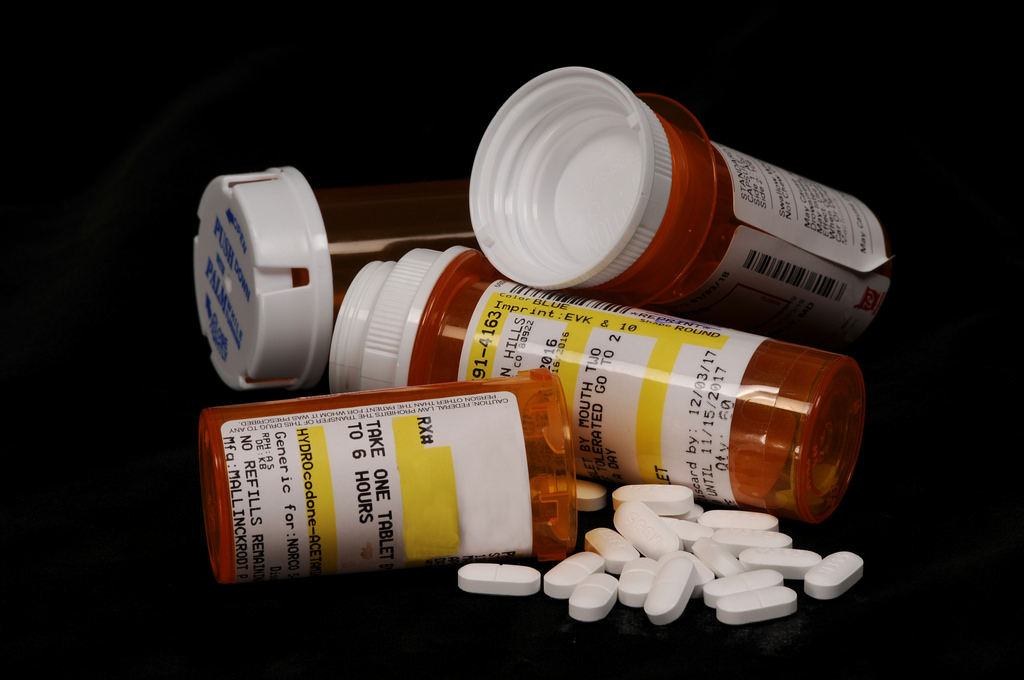
The opioid crisis has reached a seemingly never-ending crescendo in the U.S., with more and more Americans dying of overdoses and related illnesses as a result. In an effort to curb these incidents, the Food and Drug Administration held a summit on Wednesday to discuss such issues. Among those invited were tech giants like Google and Facebook, but the event became mired in controversy before it even started.
As WIRED points out, about 115 Americans die due to the opioid crisis every single day. As of now, much of the blame is aimed at pharmaceutical companies and the doctors who are pushing these drugs to patients. However, tech companies are becoming increasingly scrutinized in relation to the issue as well.
The monkey wrench that could potentially derail the proceedings this time is the apparent refusal of tech companies to sign a pledge provided by the FDA. Called the “Pledge to Reduce the Availability of Illicit Opioids Online,” it was supposed to be signed by attendees and published 30 days following the summit.
However, it would seem that the tech companies had an issue with signing the pledge. After consulting with them, the FDA announced that it was putting that part of the plan on hold. While the reasons for the change have not been made clear, some experts are saying that this was an attempt by tech companies to deflect blame away from them.
This is a problem because one of the main points that the FDA wants to bring home during the summit is the suppression of sales of the drug fentanyl, CNBC reports. With the internet making it so easy to purchase such medication, the rates of overdose have skyrocketed, particularly in rural communities.
To help address this problem, the FDA wants tech companies to start doing their part and curb the spread of these drugs. They can start by making it substantially more difficult to get fentanyl off of the internet through search engines or social media.







