


 North Korea Slams US Taiwan Arms Sales, Reaffirms Russia Support
  OpenAI, Anthropic Back Mandatory AI Breach Reporting in Australia
  Lula Weighs Alckmin as Finance Minister to Boost Fiscal Credibility
  France to Release 10 Million Barrels of Diesel to Ease Fuel Prices
  US Treasury Drops Crypto Wallet Tracking Plan
  Trump Backs Florida Golf Course as Presidential Retreat
  Maduro, Wife May Face New US Torture Charges
  Mexico Bars Dual Citizens From Presidential Races Starting in 2028
  UK Warned Over Growing Reliance on US Cloud Providers
  CFTC Moves to Set New Crypto Rules After CLARITY Act Failure
  Trump Weighs FBI Probe Into Nolan Wells’ Death
  San Francisco Halts New Data Center Construction With 45-Day Moratorium
  US Grants Aurora Five-Year Exemption for Self-Driving Trucks
  Trump Orders Firing Squad Execution for Fort Hood Gunman
  Trump Says He Deserves 2026 Nobel Peace Prize Despite Uncertain Chances
  Lincoln University Students Sue Missouri Over Decades of Underfunding


 Add as a preferred source on Google
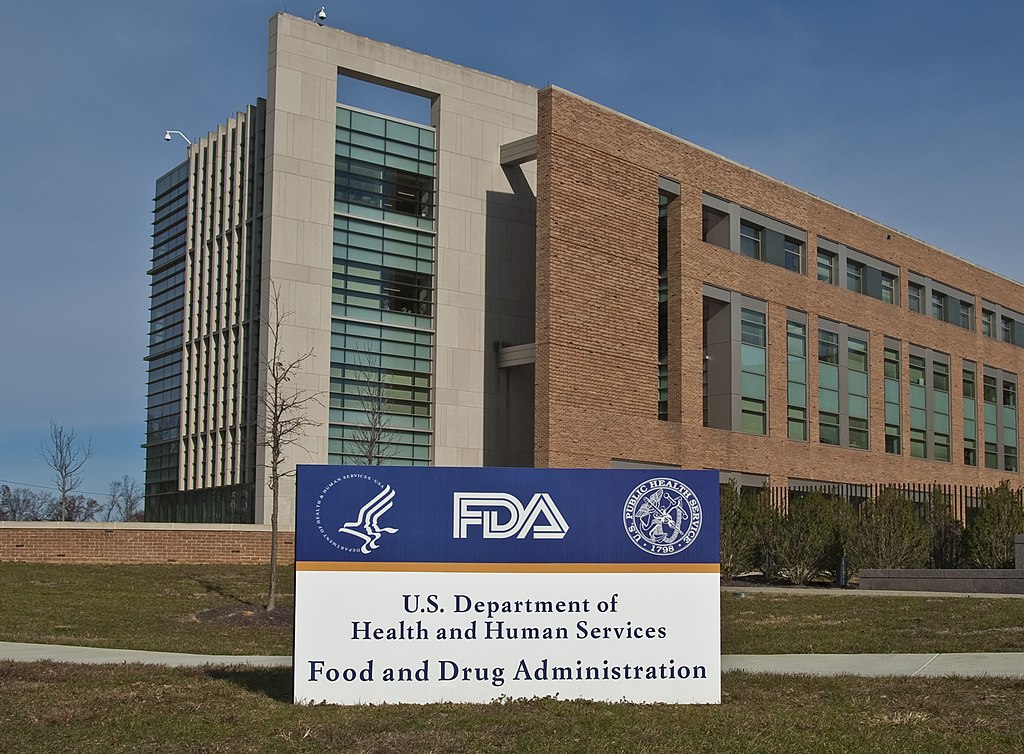
The U.S. Department of Health and Human Services on Tuesday named permanent leaders for two major Food and Drug Administration centers responsible for overseeing drugs, vaccines and other biological products, as the agency works to stabilize its leadership following significant staff departures.
HHS appointed Michael Davis as director of the FDA’s Center for Drug Evaluation and Research (CDER) and Karim Mikhail as director of the Center for Biologics Evaluation and Research (CBER). Both officials had been serving as acting heads of their respective centers before receiving permanent appointments.
The department also appointed Jared Seehafer as the FDA’s first deputy commissioner for technology and artificial intelligence, highlighting the growing role of AI and emerging technologies in healthcare regulation. Bret Koplow, who had been serving in an acting capacity, was named director of the Center for Tobacco Products.
The appointments follow President Donald Trump’s decision last month to select White House policy aide Heidi Overton to lead the FDA. Overton, an ally of Trump’s "America First" agenda, takes charge of an agency facing disputes over vaccine policy, abortion medication and the drug approval process.
The FDA has experienced significant disruption during Trump’s second term. Health Secretary Robert F. Kennedy Jr.’s workforce reductions across the Department of Health and Human Services contributed to thousands of departures and declining morale.
More than 3,000 FDA employees have left the agency over the past year, including several senior officials and division leaders. The losses have increased pressure on FDA leadership to restore stability and confidence among pharmaceutical companies, healthcare organizations and public-health groups.
Davis previously served for roughly a year as CDER’s deputy director before becoming acting director in May. Mikhail worked as an FDA adviser before assuming the acting leadership position at CBER.
The leadership changes could also reshape the FDA’s approach to technology. CNBC reported that the U.S. government plans to establish two FDA deputy commissioner positions. One would concentrate on technology, healthcare innovation and artificial intelligence, while the other would focus primarily on oversight of drugs.
The appointments formalize leadership across several critical FDA divisions as the agency navigates workforce challenges, regulatory debates and increasing pressure to incorporate AI into healthcare oversight.







