


 AstraZeneca Q2 Earnings Beat Forecasts as Oncology Growth Supports 2026 Outlook
  Trump Plans Diesel Tax Relief as Fuel Prices Hit Record Highs
  Pentagon Launches Autonomous Warfare Command
  EU Gives Crypto Platforms Three Months to Remove USDT Under MiCA Rules
  GLP-1 Weight-Loss Drug Use Surges Among U.S. Children
  HUTCHMED, AstraZeneca Seek FDA Approval for Lung Cancer Combo
  Sanofi, Regeneron Expand Drug Partnership in $8 Billion Deal
  US-Backed Pediatric HIV Treatment Drops After Foreign Aid Changes, Study Finds
  OpenAI, Anthropic Back Mandatory AI Breach Reporting in Australia
  Florida Seeks Tougher Meta Rules to Protect Young Users
  Trump Administration Bars U.S. Travelers From Congo Flights Amid Ebola Outbreak
  Amazon Cuts More Jobs as AI Investment Expands
  Novo Nordisk Strikes €1.17 Billion Nanexa Drug Delivery Deal
  Moscow Exchange to Launch Crypto Trading on December 1
  SEC Investor Reform Validates Barry Silbert’s Tokenization Vision
  US Grants Aurora Five-Year Exemption for Self-Driving Trucks
  TikTok Accused of Testing Fake Safety Tools on Users


 Add as a preferred source on Google
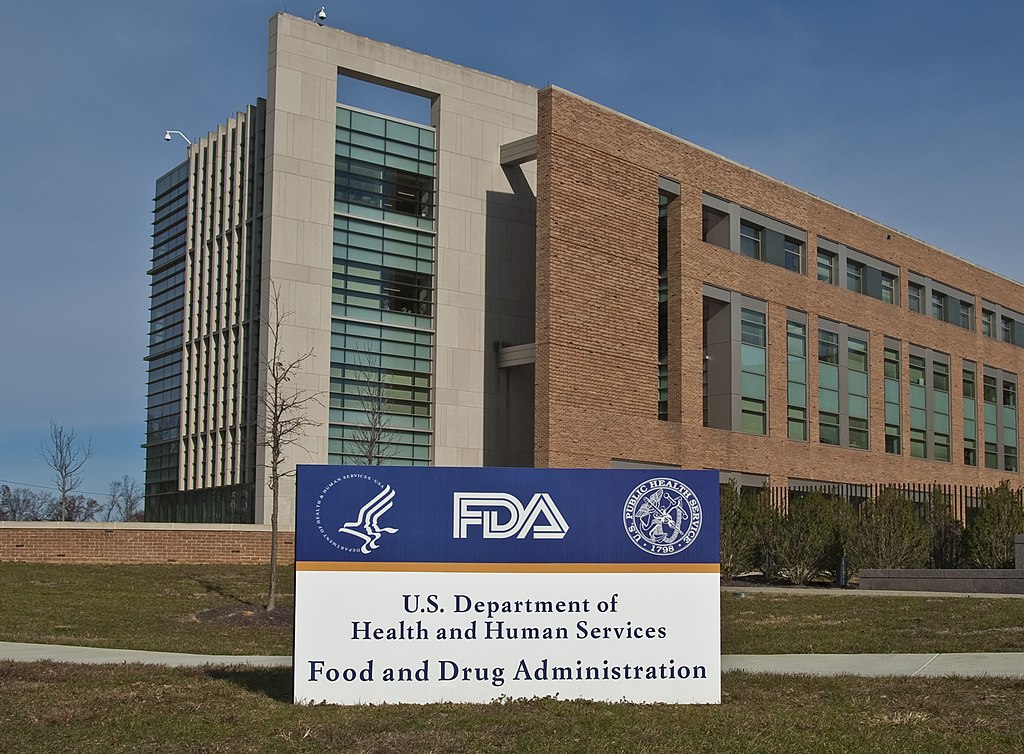
The U.S. Food and Drug Administration (FDA) has declined to review Moderna’s approval application for its experimental influenza vaccine, mRNA-1010, a decision that sent the company’s shares down about 8% in extended trading. Moderna disclosed that it received a refusal-to-file letter from the FDA, meaning the regulator will not initiate a formal review of the application at this time.
According to Moderna, the FDA’s Center for Biologics Evaluation and Research (CBER) cited a single issue as the basis for its decision. The agency said Moderna’s late-stage clinical trials compared mRNA-1010 to a standard-dose seasonal influenza vaccine that is already licensed, but that comparator did not represent the “best-available standard of care.” As a result, the FDA concluded that the studies did not meet the requirement for an “adequate and well-controlled” trial.
Moderna emphasized that the FDA did not raise any safety or efficacy concerns about the influenza vaccine itself. Chief Executive Officer Stéphane Bancel criticized the decision, saying it does not support the shared goal of strengthening U.S. leadership in innovative medicine development. He also noted that the refusal appeared inconsistent with prior written communications from the FDA and discussions held with CBER before the trials began.
The company’s marketing application for mRNA-1010 was supported by two late-stage studies that met their primary endpoints. Moderna previously reported that the vaccine demonstrated 26.6% higher efficacy compared with an approved annual flu shot from GSK. Bancel argued that using an FDA-approved influenza vaccine as a comparator should not be controversial, especially when the trial design had been discussed in advance with regulators.
Moderna has requested a meeting with the FDA to clarify the path forward for potential approval. The setback comes amid broader changes in the U.S. vaccine landscape, including a recent overhaul of federal childhood immunization guidance and the rollback of routine vaccination recommendations for several infectious diseases, including influenza.
Earlier this year, Moderna told Bloomberg TV that it does not plan to invest in new late-stage vaccine trials due to growing opposition to immunizations among some U.S. officials. The company also withdrew its application for a combined flu and COVID-19 vaccine last year to wait for additional efficacy data from its influenza program.
While the FDA review is on hold, Moderna said its influenza vaccine remains under regulatory review in the European Union, Canada, and Australia, with potential approvals expected in late 2026 or early 2027. Currently approved influenza vaccines in the U.S. include products from AstraZeneca and Sanofi.







