


 Apple Defies China's Smartphone Slump with Strong Early 2026 Sales
  Golden Dome Missile Defense: Anduril and Palantir Join Forces on Trump's $185B Space Shield
  Elon Musk Announces Terafab: SpaceX and Tesla to Build Dual AI Chip Factories in Austin, Texas
  Judge Dismisses Sam Altman Sexual Abuse Lawsuit, But Sister Can Refile
  SpaceX IPO Filing Expected This Week as Valuation Could Surpass $75 Billion
  AWS Bahrain Region Disrupted by Drone Activity Amid Middle East Conflict
  Cybersecurity Stocks Tumble After Anthropic's Claude Mythos AI Leak Sparks Market Fears
  Cyberattack on Stryker Triggers U.S. Government Warning Over Microsoft Intune Security
  OpenAI's Desktop Superapp: Unifying ChatGPT, Codex, and Browser Tools for Enterprise AI
  Trump White House Unveils National AI Policy Framework for Congress
  Reflection AI Eyes $25 Billion Valuation in Massive $2.5 Billion Funding Round
  SMIC Allegedly Supplies Chipmaking Tools to Iran's Military, U.S. Officials Warn
  Federal Judge Blocks Pentagon's Blacklisting of AI Company Anthropic
  NVIDIA's Feynman AI Chip May Face Redesign Amid TSMC Capacity Crunch
  Jeff Bezos Eyes $100 Billion Fund to Transform Manufacturing With AI
  Meta and Google just lost a landmark social media addiction case. A tech law expert explains the fallout


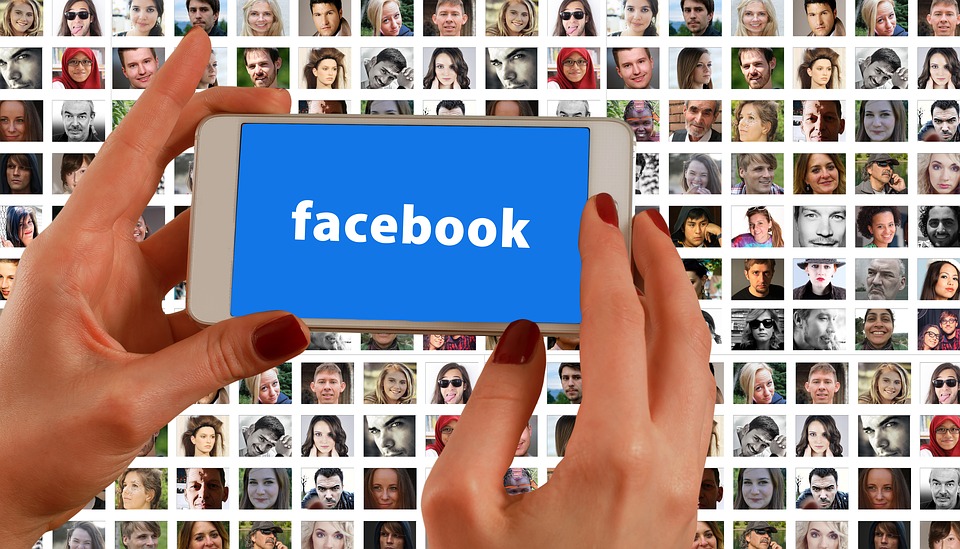
As if there wasn’t enough to worry about when browsing online, what with trying to avoid malware and virus landmines via spam mail and infected websites, now social media is also a source of unwanted software. A report recently came out, detailing how ransomware can infect computers of Facebook or LinkedIn users once they open a new file that was forcibly downloaded into their units.
The malware was first reported by Check Point, an Israeli security firm. According to the report, social media sites are basically becoming mediums for unauthorized downloads of images that are full of malicious codes intended to take over the user’s computer.
Opening the file will allow the ransomware called “Locky” to infect the unit, which basically holds the computer hostage. In order for the users to get the key to use their computers again, they will need to pay about $365 in bitcoin form. At least, this is what the people responsible for the malware are demanding.
Ars Technica reports that the malware has been quite prominent during the past year, with many computers becoming infected due to Word documents and the usual spammy email messages. This development involving social media images, however, is an entirely new trend that provides dangerous precedence for other malicious individuals.
Check Point stresses that there has been a huge surge in infections caused by these malware-ridden images downloaded from Facebook and LinkedIn, largely coming from groups and campaigns. On that note, the security firm is being rather vague about how the infection itself works, claiming that they are waiting for the security flaw to be patched by the social media sites before releasing specifics.
Facebook is denying that this was even happening, according to an update posted by Engadget. A spokesperson from the social network claims that the analysis by Check Point was wrong and that the infected images are actually downloaded via bad Chrome extensions.







