


 Asian Currencies Stay Rangebound as Dollar Holds Near Six-Week High Amid Iran War Concerns
  Japan Posts Strong April Trade Surplus as Exports Surge Amid Robust U.S. and China Demand
  Dollar Holds Near Six-Week High as Iran War Fuels Inflation Fears and Boosts Fed Rate Hike Bets
  BOJ Holds Interest Rates at 0.75% as Policymakers Signal Growing Inflation Concerns
  RBA Rate Hike Outlook: Impact on AUD/USD and ASX 200
  Asian Markets Waver as Trump Delays Iran Strike, Oil Prices Retreat
  China to Buy 200 Boeing Jets, Push for Extended U.S. Trade Deal
  Dollar Slips as Bond Market Stabilizes Amid Iran Tensions and Fed Rate Hike Expectations
  Bank of England Set to Hold Interest Rates as Inflation Risks and Iran War Impact Loom
  BOJ Governor Kazuo Ueda Hints at Rate Hike as Inflation Pressures Build
  UK Hiring Slows as Iran War Fuels Economic Uncertainty in 2026
  China Keeps Loan Prime Rates Steady for 12th Month as PBOC Signals Cautious Policy Approach
  Fed’s Anna Paulson Signals Rates Could Stay Higher Longer Amid Inflation Risks


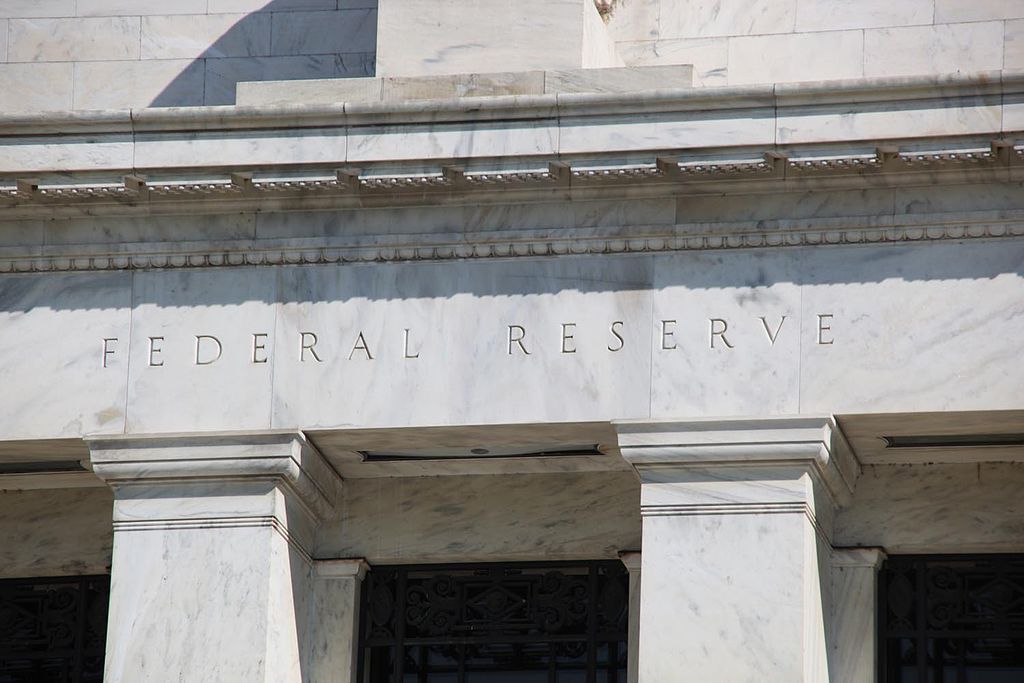
The Federal Reserve indicated that additional interest rate hikes could be necessary if U.S. inflation continues to stay above the central bank’s 2% target, according to minutes from the Federal Open Market Committee (FOMC) April meeting released Wednesday. The latest comments have strengthened concerns among investors about the future direction of U.S. monetary policy in 2026.
During the April meeting, the Fed kept the federal funds rate unchanged at 3.50% to 3.75% for the third consecutive meeting. Former Fed Chair Jerome Powell previously stated that policymakers were in a position to either cut or raise interest rates depending on economic conditions, particularly the inflationary impact caused by rising oil prices linked to geopolitical tensions in the Middle East.
Recent economic reports have added pressure on the central bank. U.S. Consumer Price Index (CPI) data showed headline inflation reached its highest level since May 2023, while the Producer Price Index (PPI) posted its largest annual increase since December 2022. Analysts believe higher energy prices are contributing significantly to persistent inflation across the economy.
The FOMC minutes revealed that a majority of policymakers believe further monetary tightening may become necessary if inflation fails to cool. Several officials also stated that rate cuts would only be appropriate if there is clear evidence that inflation is moving sustainably lower or if the labor market weakens considerably.
Notably, the April meeting recorded four dissents, the highest number since 1992. Some Fed officials opposed language in the policy statement that suggested a possible easing bias toward future rate cuts.
Market reactions were largely in line with expectations. Analysts described the minutes as hawkish, reinforcing the idea that the Federal Reserve remains highly focused on controlling inflation despite growing political pressure.
The release also comes during a major leadership transition at the Fed. Kevin Warsh, nominated by President Donald Trump, is set to replace Jerome Powell as Fed Chair. Although Trump has repeatedly pushed for lower interest rates, Warsh stated during his Senate hearing that he would protect the independence of the Federal Reserve and make policy decisions based on economic data rather than political influence.
Financial markets are now closely watching upcoming inflation reports and labor market data for clues about whether the Fed will maintain current rates, begin cuts, or move toward additional hikes later in 2026.







