


 Rising Rates Top Global Growth Risks as Wealthy Investors Favor Asia
  Bitmine to Stop Ethereum Buying After Reaching 5% ETH Supply
  JPMorgan CEO Jamie Dimon Warns Mythos AI Raises Cyber Risk Tenfold
  Iran Tanker Attacks Surge as Hormuz Oil Flows Near Prewar Levels
  Solidigm Taps Goldman, Morgan Stanley for $10 Billion US IPO
  Levi Strauss Beats Q3 Profit Estimates, Raises 2026 Outlook
  Zcash Privacy Demand Rises as AI Exposes Bitcoin Transactions
  TikTok Accused of Testing Fake Safety Tools on Users
  Florida Seeks Tougher Meta Rules to Protect Young Users
  OpenAI, Anthropic Back Mandatory AI Breach Reporting in Australia
  US-Taiwan Ties Remain Strong as Taipei Urges Timely Arms Deliveries
  Crypto Lobbying Hits $13M as Clarity Act Stalls
  Trump Opens Tax-Exempt Dyed Diesel Access as Fuel Prices Surge
  Trump Says He Deserves 2026 Nobel Peace Prize Despite Uncertain Chances
  Firmus Grid IPO Draws Strong Demand, Nvidia and Blackstone Could Raise Stakes
  HSBC Plans Deep UK Wealth Job Cuts in AI Push


 Add as a preferred source on Google
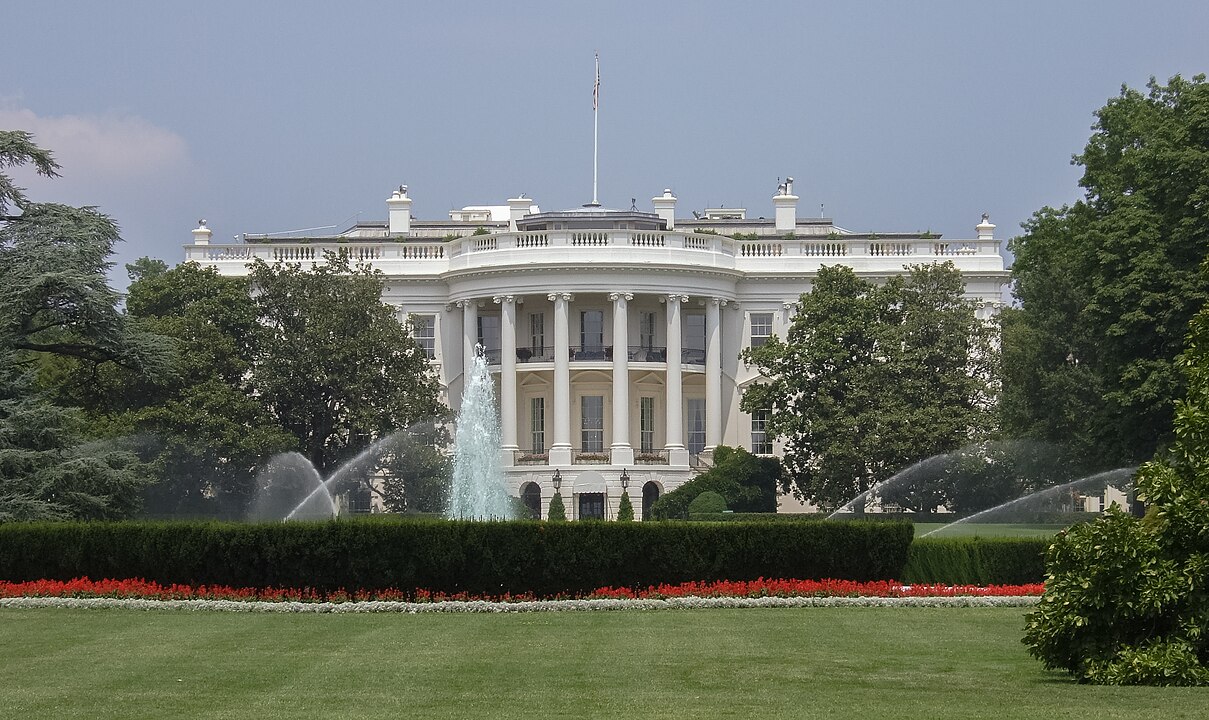
Despite a formal directive from President Donald Trump ordering federal agencies to stop using Anthropic's artificial intelligence technology, multiple U.S. government bodies have been quietly evaluating the company's latest AI model, according to a Politico report. The move signals a growing tension between executive policy and the urgent demand for cutting-edge cybersecurity tools.
Staff from several agencies, including the Commerce Department's Center for AI Standards and Innovation, have reportedly been testing Anthropic's newest model, referred to as "Claude Mythos." The system has captured significant attention within government circles due to its advanced capability to identify critical software vulnerabilities — flaws that often go undetected by even the most experienced human cybersecurity professionals.
The Trump administration's ban on Anthropic's technology stems from disputes over the company's position on military and surveillance applications. However, federal officials appear willing to work around that restriction, quietly assessing and potentially deploying the model based on its perceived value in strengthening national cyber defenses.
Interest has extended beyond the executive branch. Members of Congress and their staff have also requested briefings on the AI system, reflecting mounting concern that foreign adversaries — particularly well-resourced state actors — could develop or already be leveraging similar technologies to exploit American infrastructure.
The White House has acknowledged its continued engagement with artificial intelligence companies to assess and mitigate security risks, while emphasizing the need to balance those efforts against broader national security priorities.
This situation highlights a larger debate unfolding across Washington: as AI capabilities rapidly advance, federal agencies are increasingly struggling to reconcile restrictive policy frameworks with the practical need to stay ahead of emerging cyber threats. The quiet testing of banned technology suggests that for some officials, national security may ultimately outweigh political directives.







