


 Iran Refuses to Halt Uranium Enrichment Amid US Nuclear Demands
  ICC Rules Duterte Fit to Stand Trial in Drug War Case
  CNN, MS NOW and Politico Sue Trump Over White House Media Ban
  US Government Moves $1 Billion in Bitcoin Amid Sale Speculation
  California Leads Lawsuit Over Trump’s $810 Million Funding Cuts
  Tsai Warns of China’s Sustained Pressure on Taiwan
  US Suspends Microsoft, Adobe From Green Card Program
  EU Gives Crypto Platforms Three Months to Remove USDT Under MiCA Rules
  Australia Probes Flydubai Co-Pilot’s Links After FZ1073 Hijack Attempt
  US Appeals Court Keeps Trump IRS Case Sanctions in Place
  California AG Subpoenas OpenAI Over AI Cybersecurity Incidents
  US Grants Aurora Five-Year Exemption for Self-Driving Trucks
  US Waives $320M Egypt Military Aid Conditions After Iran War Role
  US-Taiwan Ties Remain Strong as Taipei Urges Timely Arms Deliveries
  EU Rejects Italy, Greece Calls for Fiscal Rule Flexibility
  Maduro, Wife May Face New US Torture Charges
  Pentagon Orders Iran Strike Preparations as Trump Weighs Military Action


 Add as a preferred source on Google
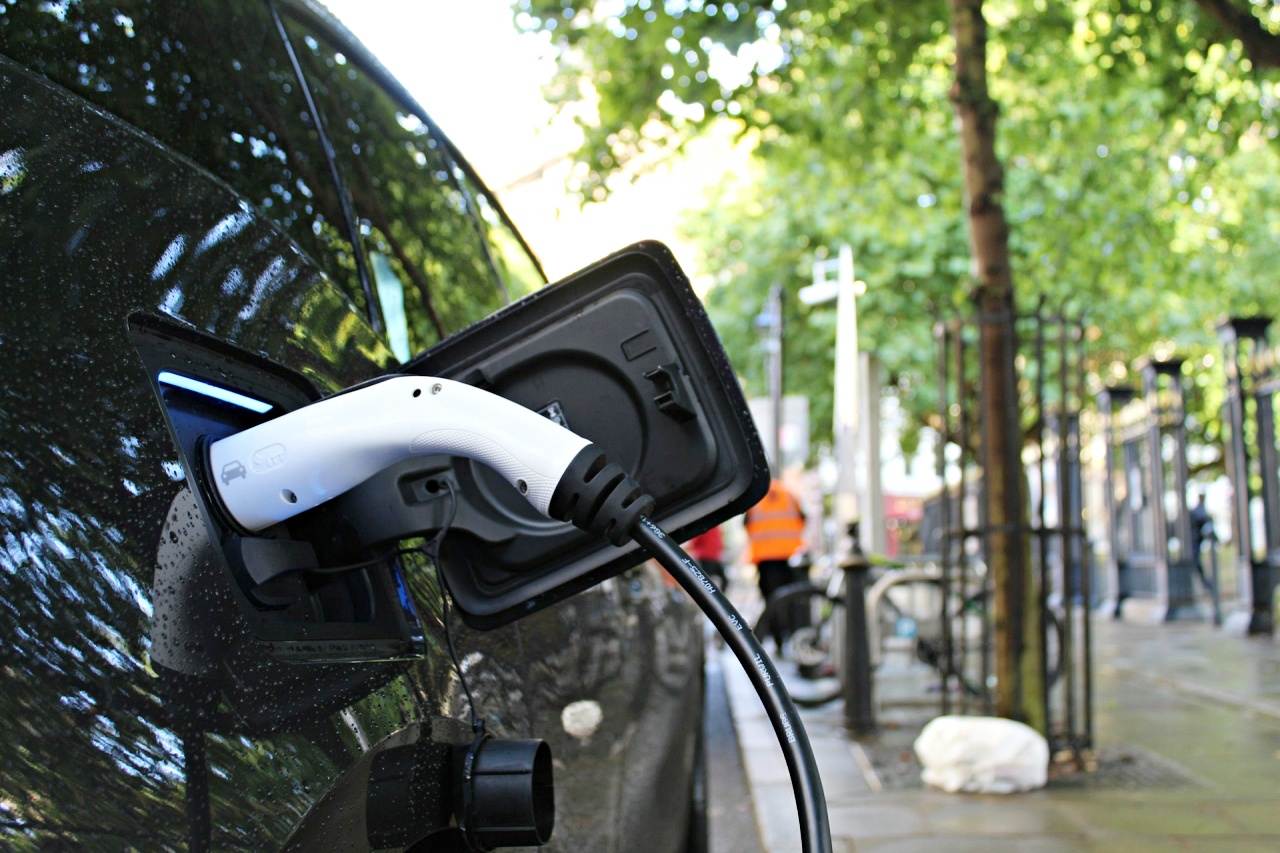
A federal judge on Friday ruled that the Trump administration unlawfully suspended congressionally approved funding for the expansion of electric vehicle charging infrastructure, delivering a major legal victory to 20 Democratic-led states that challenged the move. The decision reinforces the authority of Congress over federal spending and underscores the ongoing legal and political battles surrounding U.S. electric vehicle policy.
U.S. District Judge Tana Lin, based in Seattle, found that the U.S. Department of Transportation violated federal law in February when it abruptly paused the electric vehicle charger program. The program was created under the 2021 infrastructure law signed by former President Joe Biden and was designed to accelerate the nationwide rollout of EV charging stations, particularly along highways and in underserved communities.
According to the ruling, the Department of Transportation lacked the legal authority to suspend funding that Congress had already appropriated for the program. Judge Lin emphasized that executive agencies cannot unilaterally override congressional mandates, especially when the law clearly outlines how funds are to be distributed and used. The court noted that the sudden funding freeze created uncertainty for states that had already begun planning and investing in EV infrastructure projects.
The lawsuit was filed by a coalition of 20 states after the Trump administration moved to halt the program as part of a broader effort to roll back climate and clean energy initiatives. The states argued that the suspension would delay critical infrastructure projects, undermine climate goals, and harm economic development tied to clean energy investments. Judge Lin agreed that the states would suffer irreparable harm if the funding suspension were allowed to continue.
Electric vehicle charging infrastructure is widely seen as essential to increasing EV adoption, reducing greenhouse gas emissions, and supporting the transition to cleaner transportation. The ruling is expected to allow funding to resume, enabling states to move forward with stalled projects and long-term planning.
The decision marks a significant moment in the broader debate over federal climate policy, executive power, and the future of electric vehicles in the United States, and it may influence similar legal challenges related to infrastructure and environmental programs.







