


 Trump Tells Congress Iran Hostilities Restarted, Citing New 60-Day War Powers Window
  European Stocks Slip as Middle East Tensions and Hormuz Threat Rattle Markets
  Japanese Yen Holds Steady as Intervention Hopes Grow Ahead of U.S. CPI Data
  DOJ Grand Jury Investigates UAW President Shawn Fain Ahead of Union Election
  US Inflation Expected to Ease in June, but Fed Rate Hike Risks Persist Amid Middle East Tensions
  EU Weighs New Trade Restrictions on Israeli West Bank Settlements
  Gordie Howe Bridge to Open July 27 After U.S.-Canada Reach Toll Revenue Agreement
  Ann Widdecombe Murder: Police Arrest Second Suspect, Rule Out Terrorism Motive
  Iran's Supreme Leader Vows Revenge as Trump Threatens Massive U.S. Military Response
  UK Sanctions 24 Russian-Linked Targets Over Cyberattacks and Election Interference
  Apple Challenges India Antitrust Probe, Says CCI Copied Rivals’ Claims in App Store Case
  Republican Senator Lindsey Graham Dies at 71, Leaving South Carolina Senate Seat Vacant
  DOJ Subpoenas New York Times Journalists Over Air Force One Leak Report
  Judge Orders $5.8 Million Payment to E. Jean Carroll After Trump Loses Appeal Bid
  Reuters/Ipsos Poll: Most Americans Expect U.S.-Iran War to Be Prolonged
  Australia Sues Amazon Over Prime Video Ads and Subscription Terms


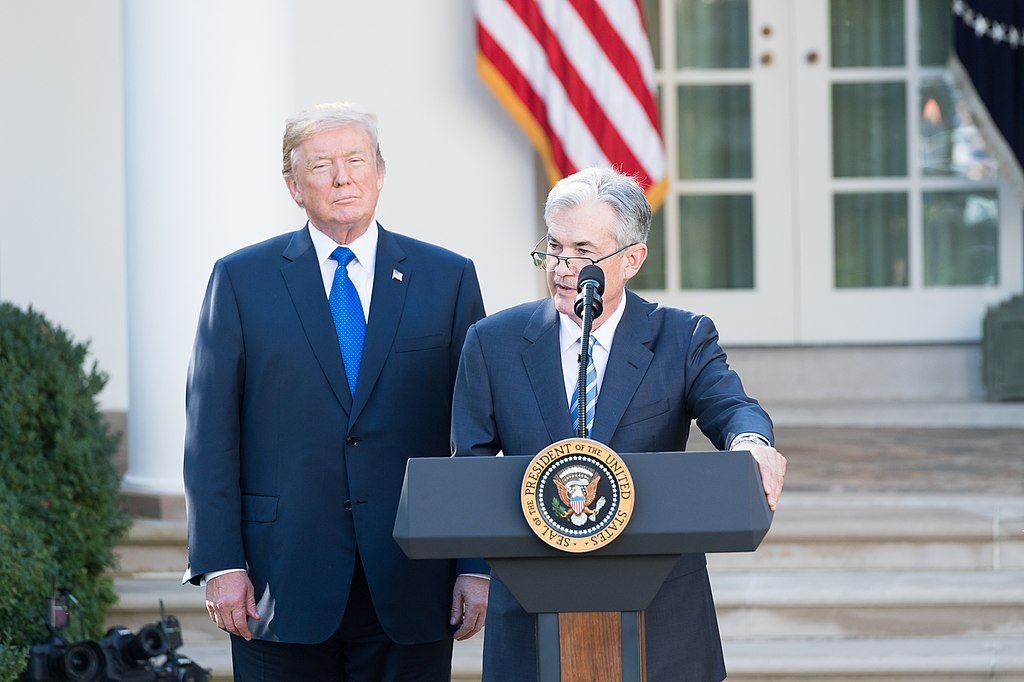
A deepening legal battle between the Federal Reserve and the Department of Justice is rattling financial markets and raising serious questions about the future of U.S. monetary policy leadership. At the center of the conflict is Fed Chair Jerome Powell, whose term expires on May 15, and a growing institutional power struggle that analysts warn could trigger significant market volatility.
A U.S. District Court in Washington, D.C. recently blocked DOJ subpoenas that sought internal Fed records tied to building renovation cost overruns and Powell's congressional testimony. Judge James Boasberg ruled the subpoenas were issued for an improper purpose, specifically to pressure Powell into resigning or cutting interest rates, a finding that has intensified scrutiny of the administration's motives.
With the White House pushing to confirm Kevin Warsh as Powell's replacement, the confirmation timeline is becoming increasingly tight. Powell has publicly stated he has no intention of stepping down until the DOJ investigation involving potential felony fraud charges is resolved transparently. If no successor is confirmed before the May deadline, Powell indicated he would remain as chair pro tempore, a legally permitted arrangement that the White House may contest, potentially sparking competing claims over Fed leadership.
Barclays analysts caution that such a scenario would generate significant legal and institutional uncertainty, eroding confidence in the Fed's democratic accountability and unsettling interest rate markets. Unlike past transitions in 1978 and 1996, where the executive branch supported the sitting chair's continuity, the current administration has openly criticized judicial protections afforded to the central bank.
Powell's recent decision to skip a Senate Banking Committee appearance, bypassing a statutory requirement for the semiannual Monetary Policy Report, has further strained institutional relationships. Meanwhile, a pending Supreme Court decision on the removal of Fed Governor Lisa Cook could determine the legal threshold for ousting a sitting board member, adding another layer of uncertainty for investors tracking interest rate stability through mid-2026.







