


 How ongoing deforestation is rooted in colonialism and its management practices
  Oil Prices Slide on US-Iran Talks, Dollar Strength and Profit-Taking Pressure
  Drug pollution in water is making salmon take more risks – new research
  Japan Economy Poised for Q4 2025 Growth as Investment and Consumption Hold Firm
  Burkina Faso and Mali’s fabulous flora: new plant life record released
  India–U.S. Interim Trade Pact Cuts Auto Tariffs but Leaves Tesla Out
  Wildfires ignite infection risks, by weakening the body’s immune defences and spreading bugs in smoke
  Asian Stocks Slip as Tech Rout Deepens, Japan Steadies Ahead of Election
  Trump Signs Executive Order Threatening 25% Tariffs on Countries Trading With Iran
  Trump’s Inflation Claims Clash With Voters’ Cost-of-Living Reality
  Fertile land for growing vegetables is at risk — but a scientific discovery could turn the tide
  Bank of Japan Signals Readiness for Near-Term Rate Hike as Inflation Nears Target
  Global Markets Slide as AI, Crypto, and Precious Metals Face Heightened Volatility
  How to create a thriving forest, not box-checking ‘tree cover’
  Thousands of satellites are due to burn up in the atmosphere every year – damaging the ozone layer and changing the climate


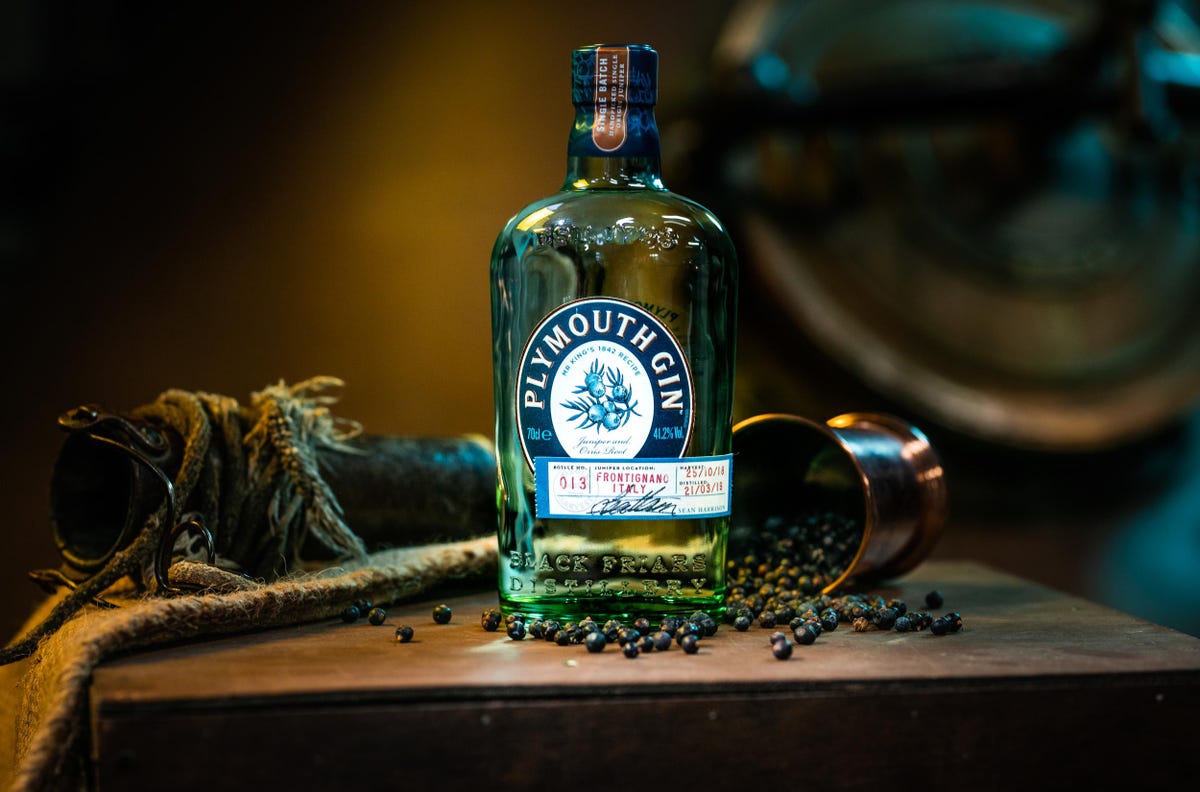
Plymouth Gin will now be stored in a new bottle that saves 60 tons of carbon dioxide emissions each year by eliminating all single-use plastic and reducing the overall weight by 15 percent.
The new bottle will roll out this month,
Pernod Ricard, which produces Plymouth Gin, said that they optimized “the most recognizable elements of the bottle’s current design,” including the shape.
The monk design at the bottom of the bottle that was previously applied by a plastic label is now embossed directly onto the glass. Meanwhile, the closure has been updated from PVC to recyclable PET.
The bottle now also uses paper labels.
According to Toni Ingram, global brand director for Plymouth Gin, the new bottle design is among the many new initiatives they will unveil this year in ensuring sustainability.
Ingram pointed out that their distillery is already using 100 percent renewable electricity and have been recycling their gin botanicals to turn waste into energy via an anaerobic digestion power plant.













