


 Ukraine, Europe Launch Freyja Missile Shield to Strengthen Air Defense Against Russia
  Iran's Supreme Leader Vows Revenge as Trump Threatens Massive U.S. Military Response
  Bayer Wins Major U.S. Supreme Court Roundup Lawsuit, Shares Surge
  Russia Launches Missile and Drone Attacks on Kyiv, Zaporizhzhia, and Kharkiv
  Wolfspeed Sues Navitas Over GaN and SiC Patent Infringement
  US Judge Seeks Explanation for DOJ’s Decision to Drop Gautam Adani Bribery Case
  Brazil Court Bars Flavio Bolsonaro From Visiting Jair Bolsonaro Ahead of Election
  HHS Watchdog Reports $5.56 Billion in Healthcare Fraud Recoveries as Enforcement Actions Decline
  Reuters/Ipsos Poll: Most Americans Expect U.S.-Iran War to Be Prolonged
  Israel Sets October 27 Election as Netanyahu Faces Tough Political Test
  Western Allies Push for More Air Defenses for Ukraine at Paris Summit
  EU to Propose New Rules Limiting Children's Access to Social Media
  Trump Administration Hands Over Key Evidence in Minnesota Immigration Shooting Investigations
  Zelenskiy Plans Ukraine Government Shake-Up as Prime Minister Svyrydenko Set to Step Down
  Amy Coney Barrett Faces Conservative Backlash After Key Supreme Court Rulings Against Trump
  Trump Administration Sues Maryland Over Alleged Sanctuary Immigration Policies
  Apple Sues OpenAI, Former Employees Over Alleged Trade Secret Theft


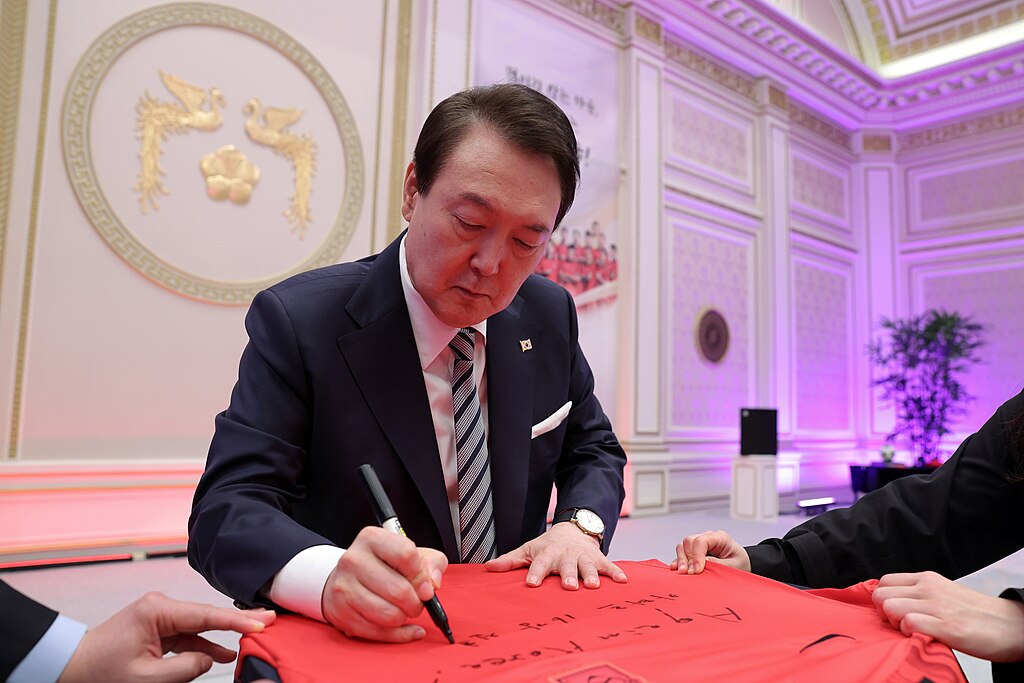
Former South Korean President Yoon Suk Yeol is set to face his first court ruling on Friday in a landmark criminal case tied to his failed attempt to impose martial law, a political crisis that stunned the nation and drew international attention. The ruling marks a critical moment in a series of legal battles that could result in a lengthy prison sentence if he is convicted.
Yoon, who is currently detained at the Seoul Detention Center, faces multiple criminal charges, including obstructing officials from executing an arrest warrant earlier this year. Prosecutors allege that in January, Yoon barricaded himself inside his presidential residence and ordered members of the presidential security service to block investigators attempting to detain him. After an initial failure, authorities arrested Yoon during a second operation involving more than 3,000 police officers, making him the first sitting South Korean president ever to be arrested.
If found guilty on obstruction-related charges alone, Yoon could face up to 10 years in prison. He is also accused of falsifying official documents when he declared martial law in December 2024, claiming the move was necessary to restore democratic order amid what he described as threats from opposition lawmakers and “anti-state” forces.
Beyond this week’s ruling, Yoon faces several additional trials, including a major case accusing him of masterminding an insurrection. Prosecutors have sought the death penalty in that case, with a verdict expected in February, underscoring the severity of the allegations.
Yoon’s brief martial law declaration lasted only about six hours but triggered an immediate backlash. Parliament, including members of his own conservative party, swiftly voted to overturn the decree and later impeached him. In April last year, South Korea’s Constitutional Court formally removed Yoon from office, ruling that he had violated his constitutional duties.
The episode sent shockwaves through South Korea, Asia’s fourth-largest economy and a key U.S. ally, challenging its reputation as one of the world’s most resilient democracies and marking one of the most dramatic political crises in its modern history.







