


 Cambodia’s Hun Manet Urges Thailand to Resolve Border Dispute Amid Fragile Ceasefire
  Trump Signals Indirect Role in U.S.-Iran Nuclear Talks as Tensions Rise
  UN Experts Condemn European Ministers Over Attacks on Francesca Albanese
  Trump Signals Indirect Role in U.S.-Iran Nuclear Talks as Tensions Rise
  Zelenskiy Says Russia and Ukraine Near Ceasefire Monitoring Deal After Geneva Peace Talks
  Peru Congress Ousts President Jose Jeri in ‘Chifagate’ Scandal, Deepening Political Crisis
  South Korean Court to Deliver Landmark Verdict in Yoon Suk Yeol Insurrection Case
  Medical Groups Sue FTC Over Gender-Affirming Care Investigations Amid Trump Policy Dispute
  Putin Condemns New U.S. Sanctions on Cuba, Pledges Russian Support
  Xi Jinping Highlights People-to-People Ties as U.S.-China Relations Show Signs of Stabilization
  How can Europe meet the challenge posed by the retreat of the US?
  U.S. Official Alleges China Conducted Underground Nuclear Test at Lop Nor in 2020
  Vatican Declines to Join Trump’s “Board of Peace,” Urges UN to Lead Gaza Crisis Efforts
  Lavrov Warns of Serious Consequences if U.S. Launches New Strike on Iran
  Jay Bhattacharya Named Acting CDC Director Amid HHS Leadership Shakeup
  U.S. Military Delegation Visits Venezuela After Maduro’s Arrest in Rare Diplomatic Shift
  Iran to Submit Nuclear Proposal as U.S. Boosts Military Presence in Middle East


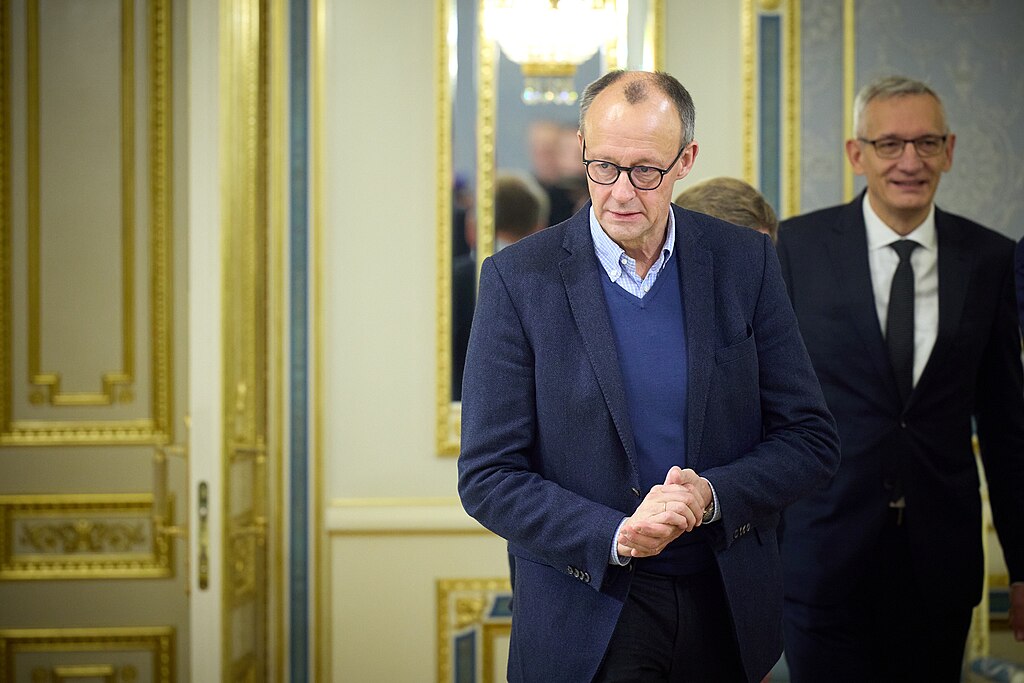
German Chancellor Friedrich Merz announced plans to pursue stronger strategic partnerships with China during an upcoming visit, highlighting Europe’s efforts to secure economic stability amid rising tensions over U.S. tariffs. Speaking at his party’s Ash Wednesday event in Passau, Bavaria, Merz emphasized that Germany has a clear strategic interest in working with global partners that share similar values and are committed to shaping a prosperous future.
Merz underlined that foreign policy and economic policy are now deeply interconnected, especially as U.S. President Donald Trump’s renewed tariff measures test transatlantic relations. The tariff push has raised concerns about potential disruptions to two-way trade between the United States and Europe, adding further strain to Germany’s already fragile economy.
Addressing Washington’s trade stance, Merz stated that while the United States has the right to determine its own tariff policy, Germany and the European Union will not follow the same approach. He warned that if U.S. tariffs escalate, Europe is prepared to defend its economic interests. According to Merz, tariffs should not be used as tools for global influence, signaling a clear divergence between EU trade policy and U.S. protectionist measures.
The German leader stressed that the European Union has demonstrated unity in recent geopolitical challenges, including tensions surrounding Greenland. He reiterated that Europe stands ready to respond collectively if additional tariffs are imposed.
Merz described the EU’s approach as a “double strategy” — extending an open hand for renewed partnership while maintaining internal cohesion to safeguard European interests. As Germany strengthens its diplomatic and economic engagement with China, the move reflects a broader strategy to diversify global partnerships and protect long-term prosperity in an increasingly uncertain trade environment.













