


 Gold and Silver Prices Rebound After Volatile Week Triggered by Fed Nomination
  Trump Endorses Japan’s Sanae Takaichi Ahead of Crucial Election Amid Market and China Tensions
  Gold Prices Fall Amid Rate Jitters; Copper Steady as China Stimulus Eyed
  Japan Economy Poised for Q4 2025 Growth as Investment and Consumption Hold Firm
  Gold Prices Slide Below $5,000 as Strong Dollar and Central Bank Outlook Weigh on Metals
  Vietnam’s Trade Surplus With US Jumps as Exports Surge and China Imports Hit Record
  Dollar Near Two-Week High as Stock Rout, AI Concerns and Global Events Drive Market Volatility
  Dow Hits 50,000 as U.S. Stocks Stage Strong Rebound Amid AI Volatility
  RBI Holds Repo Rate at 5.25% as India’s Growth Outlook Strengthens After U.S. Trade Deal
  U.S. Stock Futures Slide as Tech Rout Deepens on Amazon Capex Shock


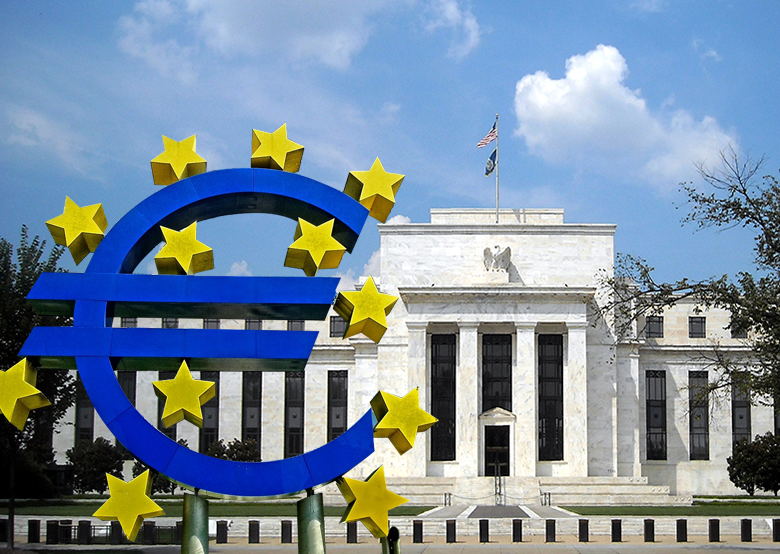
The G-20 countries reaffirmed their previous exchange rate commitments, including that they will refrain from competitive devaluations and they will not target their exchange rates for competitive purposes. The world’s top financial leaders have warned that low interest rates alone were not the solution to returning the fragile global economy to stable growth.
In a communique released on Saturday, the G-20 countries reiterate their commitments to using all policy tools – monetary, fiscal and structural – individually and collectively to foster confidence and strengthen growth. They reiterated that excess volatility and disorderly movements in exchange rates can have adverse implications for economic and financial stability.
Jack Lew, US Treasury secretary, said no country should rely too heavily on any single policy tool to bolster growth, adding that monetary policy alone would not generate the balanced growth Europe needs.
The G-20 was also committed to carefully calibrate and clearly communicate their macroeconomic and structural policy actions to reduce policy uncertainty, minimize negative spillovers and promote transparency. The G-20 identified some downside risks as well, including continued financial volatility, challenges faced by commodity exporters, low inflation, geopolitical conflicts, terrorism, refugee flows, and the shock of a potential UK exit from the EU.













