


 SoftwareONE Posts 22.5% Revenue Surge in 2025 on Crayon Acquisition
  Norma Group Posts Revenue Decline in 2025, Eyes Modest Recovery in 2026
  UPS and Teamsters Reach Agreement to Limit Driver Severance Program
  Samsung Electronics Eyes Record Q1 Profit Amid AI-Driven Chip Boom
  Microsoft's $10 Billion Japan Investment: AI Infrastructure and Data Sovereignty Push
  Cathay Pacific Holds Firm on Flight Capacity Amid Middle East Conflict and Rising Fuel Costs
  Deere & Company Agrees to $99 Million Settlement Over Right-to-Repair Dispute
  OpenAI Executive Shake-Up Ahead of Anticipated 2026 IPO
  Trump Administration Plans 100% Tariffs on Pharmaceutical Imports
  Britain Courts Anthropic Amid US Defense Department Dispute
  RBC Capital: European Medtech Firms Show Minimal Middle East and Energy Risk Exposure
  Annie Altman Amends Sexual Abuse Lawsuit Against OpenAI CEO Sam Altman
  TSMC Japan's Second Fab to Produce 3nm Chips by 2028
  First Western Ship Transits Strait of Hormuz Since Iran War Began
  Paramount Skydance Secures $24B from Gulf Sovereign Wealth Funds for Warner Bros. Discovery Takeover
  Nike Beats Q3 Estimates but China Weakness and Margin Pressure Weigh on Outlook
  Apple Turns 50: From Garage Startup to AI Crossroads


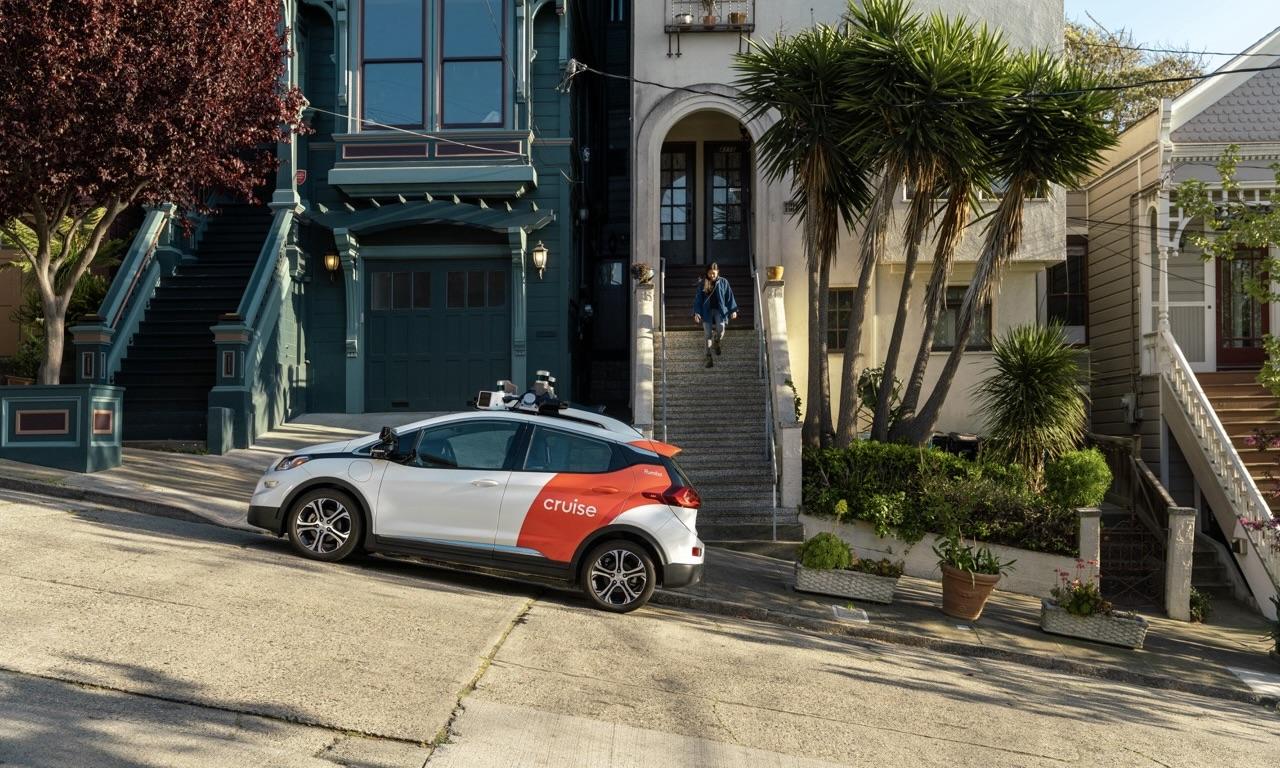
General Motors' driverless car unit, Cruise, announced late Thursday that it will temporarily halt all operations nationwide. This decision comes after California regulators ordered Cruise to take its driverless cars off the state roads due to safety concerns.
The California Department of Motor Vehicles (DMV) said that Cruise's driverless vehicles posed a risk to public safety, accusing the company of "misrepresenting" the technology's safety, according to Reuters.
Rebuilding Public Trust: Examination of Processes, Systems, and Tools
Barron's reported that both the DMV and the National Highway Traffic Safety Administration (NHTSA) have doubts about the safety of Cruise's driverless vehicles. The DMV stated that these vehicles are "not safe for the public's operation" and pose an "unreasonable risk to public safety."
Cruise stated that its primary focus is to rebuild public trust. In a proactive step, the company has decided to pause driverless operations across all fleets. During this break, Cruise will thoroughly examine its processes, systems, and tools.
With operations in Phoenix, Houston, Austin, Dallas, and Miami, suspending Cruise's activities is a significant setback for the self-driving industry. General Motors had viewed this sector as a major growth opportunity.
Ongoing Investigations and Precautions for Pedestrian Safety
Cruise clarified that suspending operations is a precautionary measure to address safety concerns, not linked to any new on-road incidents. Supervised autonomous vehicle operations will still take place.
The NHTSA launched a formal safety probe after reports of crashes involving Cruise cars engaging in hard braking, resulting in collisions and injuries.
The NHTSA has initiated a separate probe, specifically focusing on the preventive measures Cruise takes to safeguard pedestrians. These investigations come after a previous incident where Cruise vehicles failed to avoid striking a pedestrian in a hit-and-run accident.
The DMV's stricter guidelines prompted Cruise to remove half its driverless vehicles in August. This action was in response to another crash involving a Cruise vehicle. The DMV pointed out an incident in which Cruise's autonomous vehicle failed to respond appropriately to a pedestrian-related incident due to a lack of capability.
Cruise denies the allegations made by the DMV. The company claims that it had fully cooperated with the authorities and provided all necessary information and video footage related to the accidents under investigation.
Photo: Get Cruise Media Resources







