


 Trump Allows Commercial Fishing in Protected New England Waters
  TrumpRx.gov Highlights GLP-1 Drug Discounts but Offers Limited Savings for Most Americans
  Trump Backs Nexstar–Tegna Merger Amid Shifting U.S. Media Landscape
  Global Markets Slide as AI, Crypto, and Precious Metals Face Heightened Volatility
  Trump Says “Very Good Talks” Underway on Russia-Ukraine War as Peace Efforts Continue
  Trump Endorses Japan’s Sanae Takaichi Ahead of Crucial Election Amid Market and China Tensions
  Japan Election 2026: Sanae Takaichi Poised for Landslide Win Despite Record Snowfall
  Trump Allegedly Sought Airport, Penn Station Renaming in Exchange for Hudson River Tunnel Funding
  South Korea Assures U.S. on Trade Deal Commitments Amid Tariff Concerns
  U.S. Stock Futures Slide as Tech Rout Deepens on Amazon Capex Shock
  U.S.-India Trade Framework Signals Major Shift in Tariffs, Energy, and Supply Chains
  Norway Opens Corruption Probe Into Former PM and Nobel Committee Chair Thorbjoern Jagland Over Epstein Links
  Bank of Japan Signals Readiness for Near-Term Rate Hike as Inflation Nears Target
  Oil Prices Slide on US-Iran Talks, Dollar Strength and Profit-Taking Pressure
  Iran–U.S. Nuclear Talks in Oman Face Major Hurdles Amid Rising Regional Tensions
  Gold and Silver Prices Rebound After Volatile Week Triggered by Fed Nomination


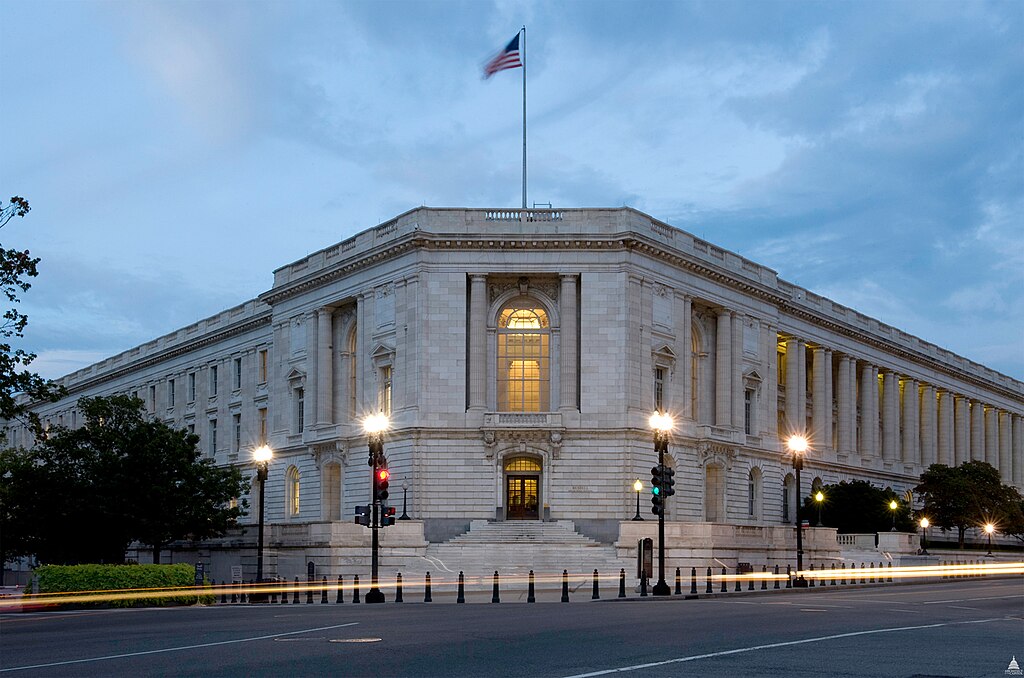
U.S. Senate Republicans are scrambling to pass President Donald Trump’s sweeping $3.3 trillion tax-cut and spending bill, despite deep internal divisions over its impact on the nation’s $36.2 trillion debt. In a high-stakes “vote-a-rama,” lawmakers debated amendments well into Monday night, aiming to bypass the usual 60-vote threshold using budget reconciliation rules.
The bill—extending 2017 tax cuts, increasing military and border spending, and slashing Medicaid and clean energy funding—faces strong opposition from Democrats and fiscal conservatives. The Congressional Budget Office estimates the Senate version adds $800 billion more in debt than the House-passed bill, triggering warnings from global bond investors.
Republican leaders, including Senate Majority Leader John Thune, argue the bill boosts small businesses and economic growth. However, GOP Senators Rand Paul and Thom Tillis oppose the measure, citing unsustainable spending and social program cuts. The bill includes a controversial $5 trillion debt ceiling hike, $1 trillion higher than the House version.
Democrats slammed the bill’s Medicaid cuts and restrictions on reproductive and gender-related healthcare. All proposed Democratic amendments have so far been rejected. Senator Chuck Schumer accused Republicans of favoring billionaires over working families, while Elon Musk criticized the bill’s hypocrisy and hinted at forming a new political party.
If passed, the bill could lead to 11.8 million more uninsured Americans, according to the CBO. The legislation now faces uncertainty in the House, where members are also split over its cost and policy priorities. Despite criticisms, the U.S. Chamber of Commerce supports the bill, while small business advocates warn benefits are skewed toward the top 5%.
Senate Republicans are using an alternative budget calculation method that omits key cost extensions, which outside experts say is misleading.













