


 CFTC Moves to Set New Crypto Rules After CLARITY Act Failure
  TSA Removes Chairs for Airport ID Check Officers
  Saudi Airport Attacks Kill Three as Yemen Fighting Escalates
  Rapidus Seeks Chip Customers as Japan Pushes 2nm Semiconductor Revival
  North Korea Slams US Taiwan Arms Sales, Reaffirms Russia Support
  US Treasury Drops Crypto Wallet Tracking Plan
  San Francisco Halts New Data Center Construction With 45-Day Moratorium
  Crypto Rallies as CLARITY Act Failure Opens Door to Faster SEC Rules
  Saudi Arabia Probes Flydubai Cockpit Attack
  Trump Opens Tax-Exempt Dyed Diesel Access as Fuel Prices Surge
  New York Declares Measles Disaster Emergency as Cases Surge
  Trump Says He Deserves 2026 Nobel Peace Prize Despite Uncertain Chances
  Maduro, Wife May Face New US Torture Charges
  Trump Plans Diesel Tax Relief as Fuel Prices Hit Record Highs
  US Pressures Allies to Distance From Anti-Disinformation Conference
  France to Release 10 Million Barrels of Diesel to Ease Fuel Prices


 Add as a preferred source on Google
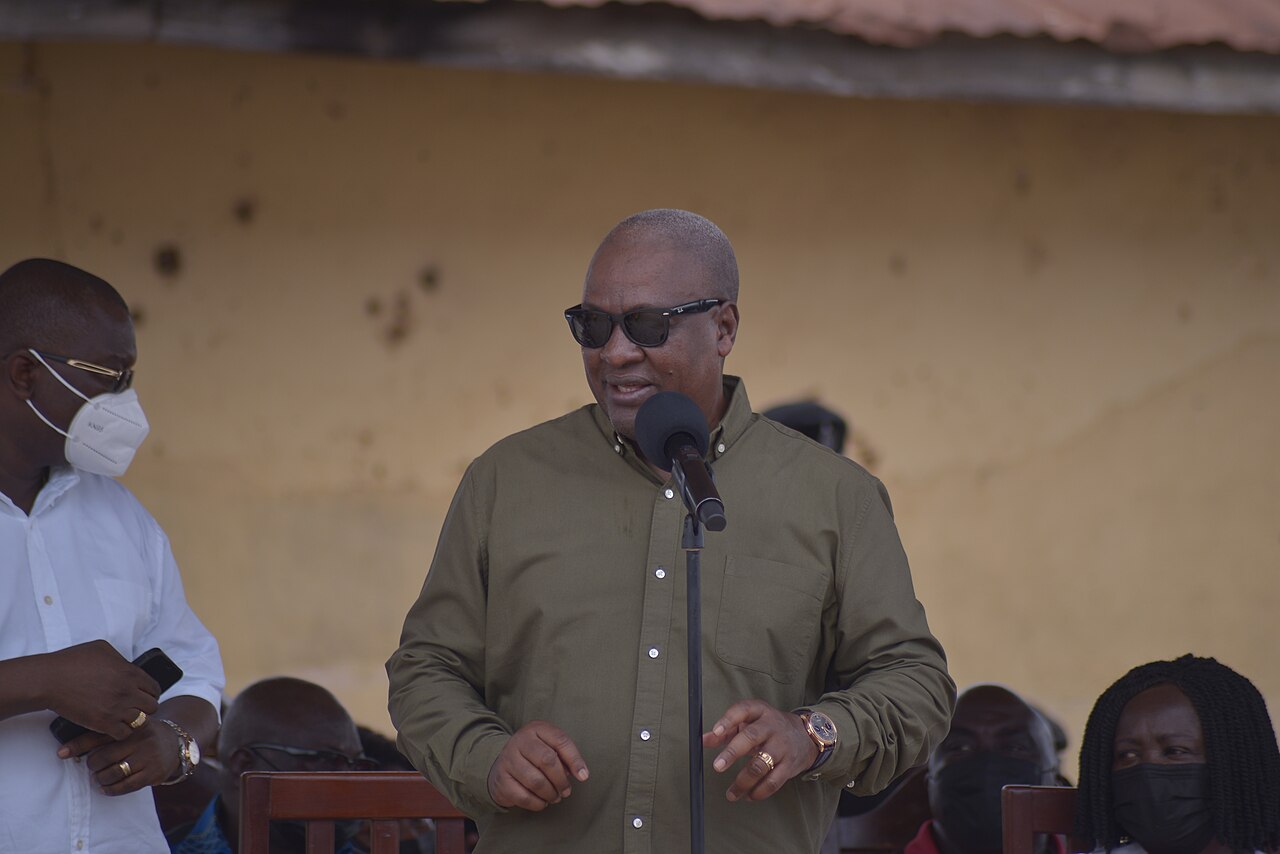
Ghana has declined to sign a proposed bilateral health agreement with the United States, citing concerns over sensitive health data sharing, according to a source familiar with the negotiations. The decision marks another setback for Washington’s broader push to reshape foreign aid under its “America First Global Health Strategy.”
The government of President John Dramani Mahama reportedly objected to provisions that would require Ghana to share confidential health information. Similar concerns have already derailed negotiations with Zimbabwe and led to legal challenges in Kenya, where a court temporarily halted a comparable agreement following a case filed by a consumer protection group.
Despite multiple requests, officials from Ghana’s government and foreign ministry have not publicly commented on the matter. Meanwhile, the U.S. State Department has maintained that it does not disclose details of ongoing bilateral negotiations but emphasized its commitment to strengthening diplomatic ties with Ghana.
The proposed deal, which negotiations began on last November, was expected to provide approximately $109 million in U.S. health assistance over five years. However, the financial obligations for Ghana under the agreement remain unclear. Sources indicate that discussions were initially routine but later intensified, with increased pressure from Washington to finalize the deal before an April 24 deadline. Ultimately, Ghana chose not to proceed.
The rejection comes as the U.S. continues to overhaul its foreign aid approach, encouraging developing nations to take greater responsibility for combating diseases such as HIV/AIDS, malaria, tuberculosis, and polio. The strategy also emphasizes transitioning countries away from long-term aid dependency toward self-reliance.
In 2024, the U.S. provided Ghana with $219 million in total foreign assistance, including $96 million allocated to health programs. As part of the new initiative, the U.S. has already signed 32 agreements worldwide, totaling $20.6 billion in funding, with contributions from both Washington and partner countries. Additional agreements are expected in the near future, according to U.S. officials.







