


 US-Led Coalition Targets Global Factory Overcapacity
  US DOT Ends Airline Privacy Review Without Enforcement
  US Dollar Hits 18-Month High as Fed Signals More Rate Hikes
  Vance Demands Iran Cut Nuclear Enrichment to End War
  North Korea Slams US Taiwan Arms Sales, Reaffirms Russia Support
  Circle Urges EU to Revise MiCA Stablecoin Rules
  Pentagon Orders Iran Strike Preparations as Trump Weighs Military Action
  Saudi Arabia Probes Flydubai Cockpit Attack
  Trump Weighs FBI Probe Into Nolan Wells’ Death
  UK House Prices Flat in September as Mortgage Rates Weigh
  Trump Envoy Meets Sudan Army Chief in Egypt
  Oil Prices Rise as Hormuz Attacks Fuel Supply Fears
  Tsai Warns of China’s Sustained Pressure on Taiwan
  Dollar Near 18-Month High as Euro, Yen and Pound Weaken
  US, Greece Launch New Counterterrorism Security Program
  TSA Removes Chairs for Airport ID Check Officers


 Add as a preferred source on Google
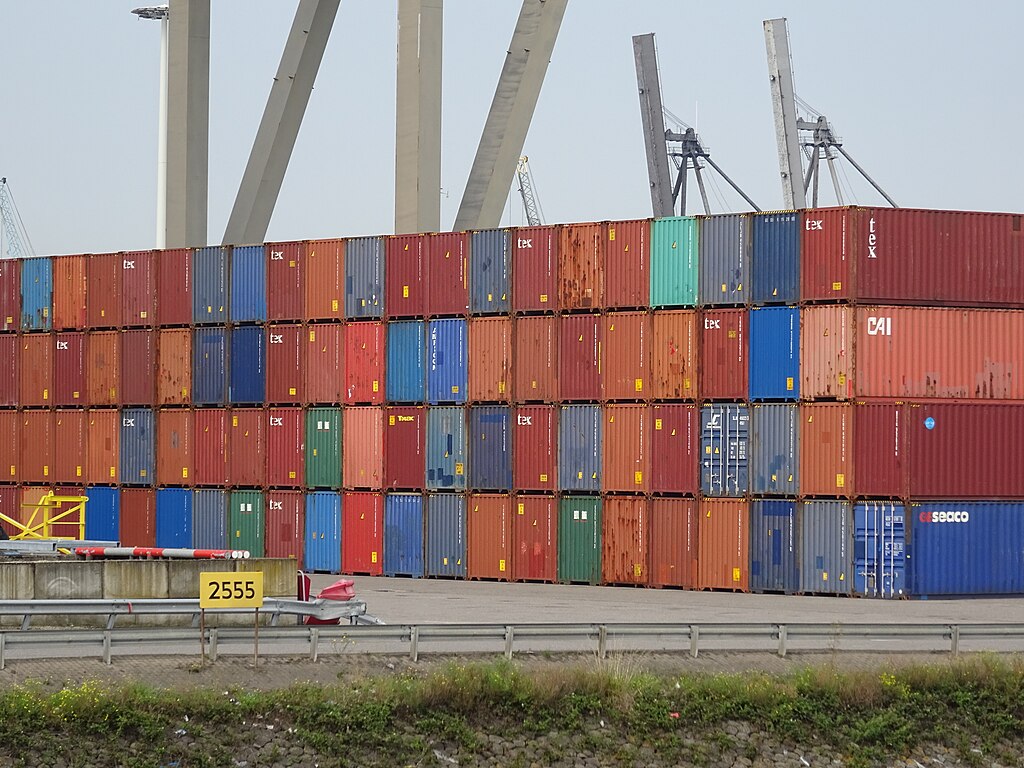
Governments around the world reacted sharply after the Trump administration imposed new tariffs of 10% and 12.5% on imports from 60 trading partners, including the European Union and China, citing concerns over inadequate enforcement of forced labor restrictions.
The new measures took effect after a temporary 10% global tariff expired, prompting criticism from allies and trading partners who argued the decision lacks justification and could disrupt global trade.
European Union foreign policy chief Kaja Kallas questioned Washington’s rationale, saying the bloc maintains strong labor protections that exceed those in the United States. She also expressed disappointment that the move appeared to disregard a previous trade understanding between the EU and the U.S.
Australian Trade Minister Don Farrell described the tariffs as "completely unjustified" and pledged to continue pressing U.S. officials to eliminate duties on Australian exports.
Mexico’s Economy Minister Marcelo Ebrard said the latest announcement would not alter Mexico’s effective tariff rate, explaining that the new measures simply replace existing ones and leave the country’s overall trade treatment unchanged.
Bank of France Governor Emmanuel Moulin said Europe should see limited direct impact because of the existing Turnberry agreement with the United States. However, he warned that the added uncertainty surrounding global trade would weigh on economic growth.
Brazil strongly condemned the tariffs, calling them arbitrary and lacking legal justification. The government accused the U.S. of using human rights concerns to support a protectionist trade agenda and announced plans to invoke its Reciprocity Law while pursuing a dispute through the World Trade Organization.
Malaysia adopted a more cautious approach. Prime Minister Anwar Ibrahim welcomed the relatively lower 10% tariff on Malaysian goods compared with other countries but said negotiations with Washington would continue to protect national interests. He added that Malaysia would raise the issue again if discussions fail to produce a satisfactory outcome.
The Philippines also pledged continued engagement with the United States, emphasizing its commitment to combating forced labor through policies aligned with International Labor Organization conventions. Trade Secretary Cristina Roque said the country recently introduced a new interagency mechanism to strengthen enforcement while stressing that Philippine exports, particularly electronics, semiconductors, and agricultural products, remain important to U.S. supply chain stability.







