


 US Dollar Slips Amid Iran Tensions and Fed Leadership Uncertainty
  South Korea Economy Rebounds on Semiconductor Export Surge Amid Middle East Risks
  South Korea Central Bank Signals Cautious Policy Amid Inflation and Middle East Tensions
  Asian Stocks Rise on AI Optimism and Iran Peace Talk Hopes
  KOSPI Hits Record High as AI Chip Demand Lifts SK Hynix and Samsung Stocks
  Uranium Bull Market Gains Momentum Amid Supply Deficits and Geopolitical Tensions
  USMCA Talks Set to Resume as Mexico Signals New Round of Trade Negotiations
  Asian Currencies Slip as Dollar Gains Safe-Haven Strength Amid U.S.-Iran Tensions
  Iran Closes Strait of Hormuz Again After Brief Reopening, Rattling Global Energy Markets
  Carney Warns Canada Must Rethink U.S. Ties Amid Trade Tensions and Sovereignty Concerns
  Energy Price Spike Won't Trigger Lasting Inflation, Analysts Say
  Oil Prices Plunge as Strait of Hormuz Reopens Amid U.S.-Iran Ceasefire Talks
  Gold Prices Drop as Oil Rally and U.S.-Iran Tensions Shake Markets
  Rising U.S.-Iran Conflict Fuels Oil Market Volatility and Ceasefire Uncertainty
  U.S. Stock Futures Fall as Iran Tensions Escalate and Oil Prices Surge
  Oil Prices Slip as U.S.-Iran Tensions and Ceasefire Uncertainty Weigh on Markets
  Stocks Surge as Strait of Hormuz Reopens, Oil Prices Plunge


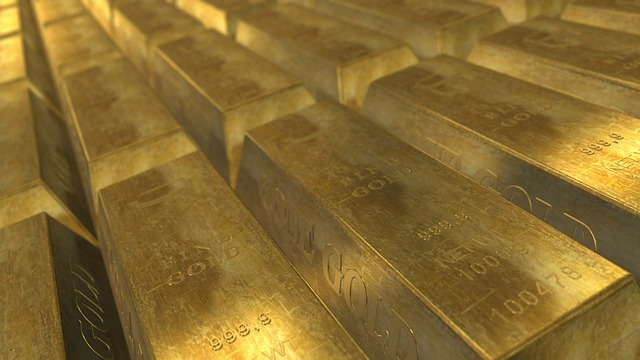
Gold prices edged lower during Asian trading on Tuesday as investors weighed geopolitical risks and monetary policy uncertainty. The precious metal remains range-bound, with traders closely monitoring developments surrounding potential U.S.-Iran peace talks and the upcoming Federal Reserve leadership decision.
Spot gold declined by 0.3% to $4,807.75 per ounce, while gold futures held steady at $4,827.39/oz. Despite ongoing geopolitical tensions, gold has struggled to break out of its recent $4,700–$4,900 trading range. Typically seen as a safe-haven asset, gold has underperformed since the escalation of the U.S.-Israel conflict involving Iran, as inflation concerns tied to the war have dampened demand.
Market sentiment remains cautious as uncertainty surrounds whether Washington and Tehran will resume negotiations before the current ceasefire expires. Former President Donald Trump indicated that a delegation led by Vice President JD Vance will head to Pakistan for potential talks. However, Iranian officials have expressed reluctance to engage while U.S. naval blockades remain in place, although reports suggest Tehran may still send representatives to Islamabad.
The fragile ceasefire is set to expire soon, raising concerns about renewed military conflict in the Middle East. Recent developments, including the U.S. seizure of an Iran-flagged vessel, have further heightened tensions and kept financial markets on edge.
In addition to geopolitical factors, investors are focusing on the Senate confirmation hearing for Kevin Warsh, Trump’s nominee for Federal Reserve Chair. His stance on interest rates and monetary policy is under scrutiny, particularly his perceived independence from political pressure. Warsh has previously supported lower rates but also advocated for reducing the Fed’s balance sheet, making his outlook less dovish than expected.
Gold and other precious metals, including silver and platinum, have faced pressure amid these developments. Analysts suggest that both geopolitical uncertainty and Federal Reserve policy direction will continue to influence gold price trends in the near term.







